

AI virtual assistants turn slow replies into instant sales—without adding staff. They handle chats, calls, bookings, and follow-ups around the clock.
Plug them into your CRM, calendar, and website, and watch leads convert.
Small shops see fast ROI: fewer missed calls, doubled conversions, and clear time savings. Start cheap, test quickly, and let the assistant do the busywork.
In this article:
- What AI Virtual Assistants Are and How They Work
- Why AI Assistants Matter for Small Businesses
- How AI Helps Small Teams Capture More Customers
- Why Slow Replies Drain Your Revenue
- 24/7 Availability Without Adding Staff Costs
- Save 10+ Hours a Week by Connecting AI to Your Core Systems
- Real-World Examples of AI Automation in Action
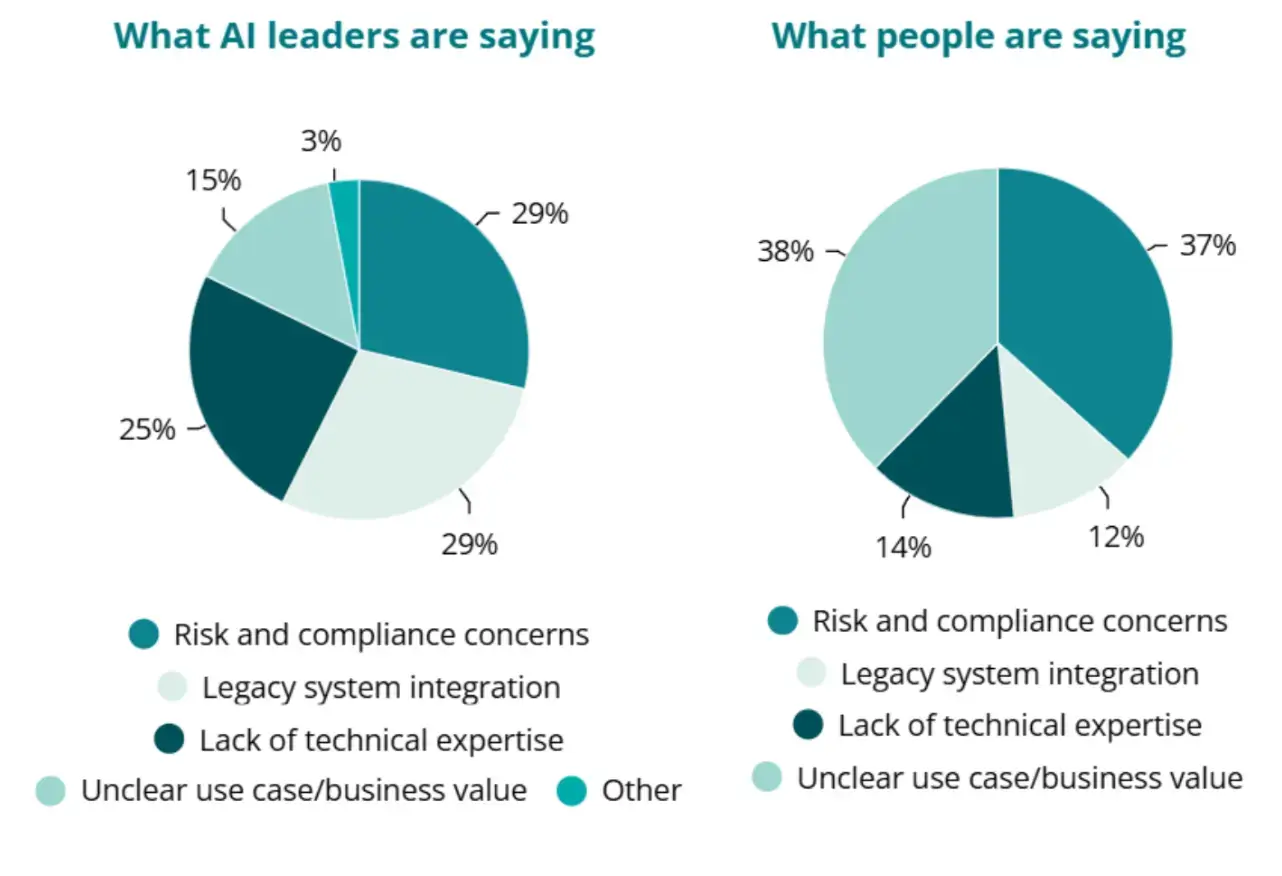
Source: Deloitte
What AI Virtual Assistants Are and How They Work
AI virtual assistants are software programs that understand human language. They perform tasks based on voice or text commands.
People use them to schedule meetings, answer questions, or control smart devices. Common examples include Siri, Alexa, and customer service chatbots.
The technology relies on a specific process to work. The system first captures the user’s input. It records audio or reads typed text.
The software converts spoken sounds into digital words. It then analyzes the sentence to find the intent. The computer ignores filler noise and focuses on keywords.
The assistant acts once it identifies the request. It connects to the internet or internal databases to find facts. It might send a signal to a bright light or pull data from a calendar.
The system creates a response and sends it back to the user. These programs improve with use. They track patterns in speech to understand accents and slang.
Why AI Assistants Matter for Small Businesses
Small businesses often have too much work and not enough people.
AI-powered assistants solve this problem by quickly completing repetitive tasks. Owners then focus on real growth, not the day-to-day grind.
How Small Businesses Are Defined Across Regions
Governments typically define business size by revenue or a specific number of employees. Legal standards for these categories vary by country and industry.
The United States classifies a firm with fewer than 500 employees as small. The European Union sets a legal limit of 50 employees.
Revenue limits often range from $10 million to $40 million per year.
Most local shops and startups fit comfortably within these limits. Groups like freelancers and solo founders are considered microbusinesses.
These tiny teams rarely have separate IT departments or budgets. Employees in these companies perform multiple functions daily.
Resource constraints define their daily operations more than official numbers.
Why Automation Demand Is Growing
Small business owners face constant pressure to do more with less. They’re implementing AI tools to save money on their monthly payroll.
A virtual assistant costs far less than a full-time secretary. The technology handles customer chats 24/7.
Owners see immediate results in better response times and sales. Competitors move quickly, so lagging erodes hard-earned profits.
Many modern tools are sold cheaply or even for free for entry-level tiers. Adoption rates have doubled in just the past two years.
Founders want solutions that work right away without extensive training. The market is clearly shifting toward digital assistance for growth.
How to Implement AI on a Small Budget
Integration is different for a team of five versus a team of five thousand. Managers should choose tools that integrate well with existing software.
Small teams lack engineers to fix code errors or bugs. The setup process should be simple and complete quickly. Small businesses rely heavily on personal connections with customers to ensure loyalty.
An AI bot must sound human to maintain that trust. Owners often set up these systems themselves at night and on weekends.
Data privacy laws apply to small stores as well as giants. Users should check where the bot sends customer information. Regular reviews help prevent the assistant from giving incorrect or inappropriate answers.
How AI Helps Small Teams Capture More Customers
Small teams lose money when they ignore potential buyers. Quick responses turn interested visitors into paying customers. AI closes this gap by instantly connecting with people.
Manual Customer Acquisition (The Slow Way)
New customers send emails or fill out web forms. A busy owner only checks their inbox once a day.
Employees manually enter data into a spreadsheet. They call the prospect when they have time. This delay often lasts hours or even days.
Buyers usually lose interest during this long wait. The process is easily interrupted when things get stressful at work.
Automated Speed (The Fast Way)
The software connects directly to the website's contact form.
An assistant reads the incoming message immediately. The tool qualifies the buyer based on predefined rules. It sends a personalized response within seconds.
The system automatically adds the contact information to the database. The bot schedules a meeting with the sales team. Humans only intervene once the deal is closed.
How AI Closes the Gap and Improves Conversions
Speed is critical when buyers are browsing. Instant responses prevent them from calling the competition. Continuous follow-up ensures the brand stays top of mind.
The bot never forgets to send a message. Personalized communication shows potential customers you care.
24/7 availability ensures visibility even outside of business hours. Improved data allows owners to optimize underperforming promotions.
Case Study: A Plumbing Company Doubles Conversions
A local plumbing company was struggling with missed calls.
Last year, they installed a simple text-based bot. The tool answered questions about pricing and scheduling.
The number of jobs increased because the bot was active at night. The owner stopped taking calls during jobs. The conversion rate doubled in just three months.
Revenue increased so dramatically that they were able to hire two new plumbers.

Source: Freepik
Why Slow Replies Drain Your Revenue
Slow replies cost small businesses money every single day.
An AI assistant talks to new leads the moment they arrive. This constant attention boosts sales and increases the average order size.
- Speed Wins the Deal: Speed matters most. The assistant replies to the second request that comes in. It hooks the lead while they are interested. A fast answer stops them from checking other shops. Early engagement secures the deal.
- Personalization Improves Conversions: Generic messages often fail. The AI reads the customer history first. It writes a note that fits their specific needs. Buyers respond better when the text feels real. A personal touch builds immediate value.
- Follow-Up Persistence Closes Sales: Sales often happen after the fifth try. Humans forget to write back after a day. The software sends friendly nudges on a schedule. It brings the distracted buyer back to the deal. Consistency turns a maybe into a yes.
- Smart Suggestions Increase Order Value: The system knows what the buyer likes. It suggests a matching item at the right time. A person buying a camera sees a lens offer. This logic increases the total bill size. Relevant offers grow revenue without extra work.
- Reliability Builds Trust: Reliability proves the business is serious. The client sees a professional operation. Confidence makes them willing to spend more. Trust lowers the barrier to the final payment. A safe feeling closes the sale.
- Data Reveals What Actually Works: The tool tracks every success and failure. Owners see exactly which messages work best. They change the script to improve results. Continuous fixes raise the conversion rate over time. Better words bring in more money.
24/7 Availability Without Adding Staff Costs
You can’t work around the clock. Customers expect answers even when your doors are locked. Artificial intelligence keeps your store running without adding a single human to your staff.
Affordable Tools That Keep Your Business Running
Chatbots handle most customer questions instantly. Many platforms, like Tidio or Chatfuel, offer free basic plans. You install a simple snippet of code on your website.
- The bot answers frequently asked questions about hours and pricing.
- Scheduling tools, like Calendly, schedule appointments while you sleep.
- Email automation platforms send receipts and welcome messages immediately.
These tools work together to create a complete service cycle. You only intervene when the bot gets stuck.
Which Businesses Benefit the Most
Online stores benefit the most from always-on availability. Customers leave if they can’t find delivery information.
- Service providers like dentists need reservation systems that work overnight.
- Real estate agents lose customers if they miss a call.
- Local restaurants benefit from automated reservation systems during peak hours.
- Travel agencies need to account for time zone differences for their customers.
- Any business with a high volume of customers needs this help. Speed matters more in these competitive industries than in others.
Why AI Creates Outsized Gains for Small Teams
A giant corporation saves pennies on every transaction thanks to AI. A small business saves hours, which helps the owner stay sane.
The impact is much greater for smaller teams. You get back time to focus on high-value projects.
Large firms spend months training complex user models. You get results in days using off-the-shelf software.
Profitability increases because the cost is so low. Flexibility allows you to outperform the slow giants.
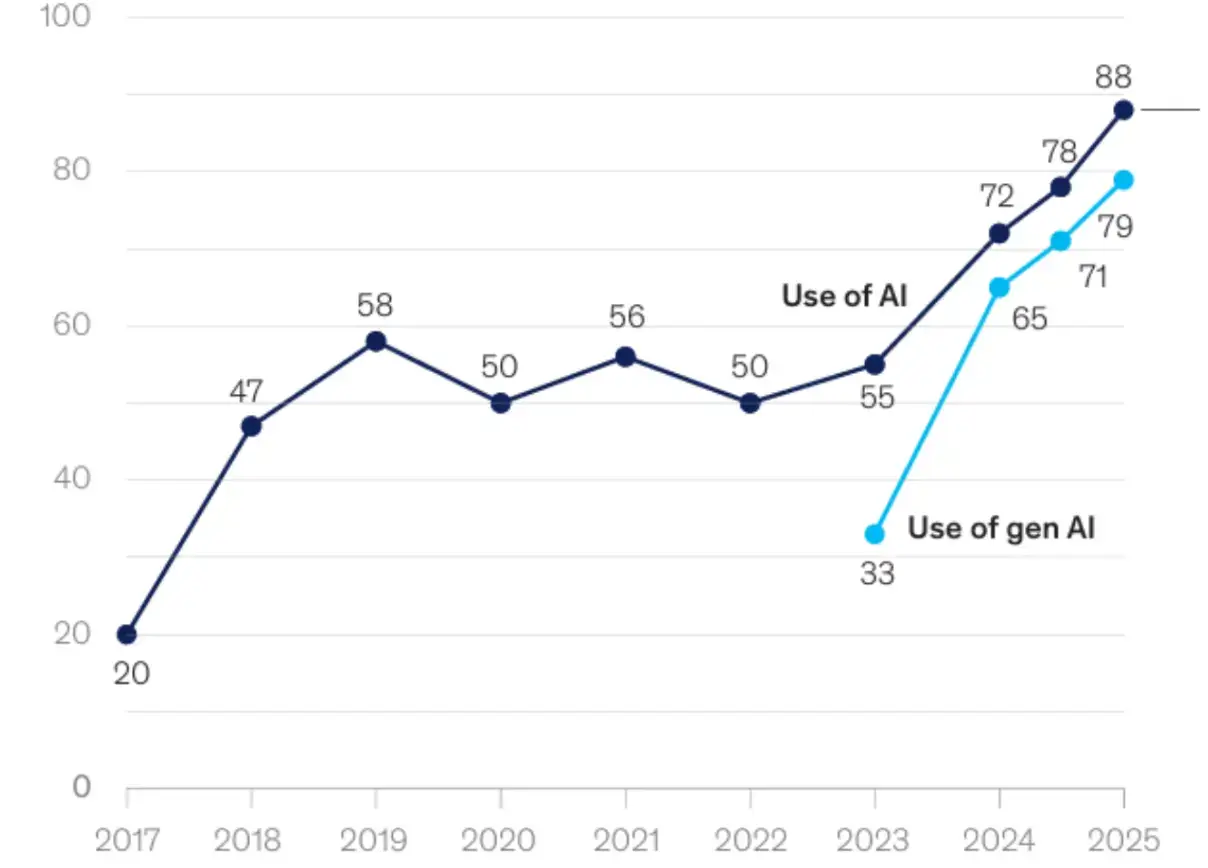
Source: McKinsey
Save 10+ Hours a Week by Connecting AI to Your Core Systems
AI tools work best when they interact with your other software. Scattered data slows down your team and confuses customers. Connect these systems to see real efficiency gains.
CRM Integration (Your Central Memory Bank)
Your CRM stores the truth about your customers. AI automatically updates these files after every chat. It logs the conversation details without any manual input.
Sales teams see the full story before they make a call. This connection prevents valuable data from being lost.
Website Chatbots as Digital Store Assistants
The assistant sits on your homepage as a chat window. It immediately guides visitors to the right products.
The bot answers questions while the customer is searching for something to buy. It prevents people from leaving the site in frustration. Sales increase because support is always available.
AI-Powered Email Automation
AI triggers personalized emails based on user actions.
The system writes to the customer if they abandon their cart. It creates draft replies that sound like they’re from a real person. Open rates improve because the timing is perfect. You sell more without writing a single draft.
Instant Social Media Responses
Customers expect quick replies on Instagram and Facebook.
The assistant manages all direct messages in one place. It instantly replies to comments on your posts.
You’ll never miss a potential customer because of a hidden notification. Your brand stays active even when you’re offline.
AI Call Handling and Routing
AI answers calls when the line is busy. It takes messages and converts them to text.
The tool routes urgent calls to the right person. You automatically filter out spam calls. Customers feel heard even during peak hours.
Real-World Examples of AI Automation in Action
We often hear about technology, but we rarely see the details. These examples show exactly how companies use assistants today. You will see how simple tools solve expensive problems.
The 24/7 Sales Clerk
A clothing store installed a bot to help shoppers. It suggests sizes based on past purchases. Returns dropped because the size advice was accurate.
Sales increased late at night without human staff. The owner stopped answering basic questions by email.
The Automated Receptionist
A busy dental clinic missed too many phone calls. They added a scheduling tool to their website. Patients book checkups directly on the digital calendar. The front desk staff spends less time on the phone. The chairs stay full, and revenue is stable.
The Lead Qualifier
A software company drowned in low-quality leads. An AI assistant now asks visitors five qualifying questions. It passes only the serious buyers to the sales team.
Reps focus their energy on deals likely to close. Revenue grew because salespeople stopped wasting their time.
The Bakery Order Manager
A small bakery struggled to handle holiday orders. They set up a text bot for cake requests. The system collects flavors and pickup times automatically.
Bakers know exactly what to make each morning. The line at the counter moves much faster now.
The Real Estate Property Matchmaker
Agents lose business when they reply to emails slowly.
A virtual assistant answers inquiries about house listings instantly. It sends property details and books viewing times. The agent shows up only for the actual tour.
Clients appreciate the speed and stick with the agency.

Source: Pixabay
How to Calculate Whether an AI Assistant Is Worth the Cost
Many owners worry about the price of new software. But basic tools often cost less than a lunch. You should track the time you spend on tedious tasks.
Multiply those hours by your personal hourly wage. Compare that total to the monthly subscription fee. The software usually costs much less than your own labor.
You also lose money every time you miss a call. An AI assistant captures revenue that you currently ignore. Start with a free trial to see the numbers. You will likely see a profit in the first week.
Frequently Asked Questions About AI Assistants for Small Businesses
How to Choose the First Task to Automate?
Choose repetitive daily tasks that consume significant time and generate revenue. Customer responses, bookings, and data entry are the easiest tasks to automate. These tasks quickly demonstrate the value the assistant brings.
What Skills Do Teams Need to Use AI Tools Well?
They need to learn how to write clear instructions for the assistant. Basic system checks and simple workflow setups help avoid errors. Over time, business owners will gradually understand which tasks require human judgment and which can be automated.
How to Measure Financial Impact?
Record weekly time savings and compare them to your hourly rate. Analyze missed calls, missed leads, or slow response times before and after automation. Add the additional revenue generated by faster response times to understand the full return.
What Are the Risks of Over-Relying on AI Tools?
Unaudited systems may provide incorrect answers. Poor data handling could leak customer information. Business owners must regularly review logs to maintain system quality and customer trust.
How to Make Your AI Assistant Sound Human?
They should set up some short, sample tones and frequently used phrases. The assistant will learn by imitating these patterns and use them in future responses. Regular updates ensure the bot stays up to date with seasonal offers, price changes, and new policies.

Author Bio
Aleksandr Sheremeta is a managing partner and a co-founder at DATAFOREST with a demonstrated history of working in the E-commerce, Retail, Fintech, Marketing, Pharma, Informational Technology, and Services industries. Skilled in managing complex and strategic projects that require business and IT optimization. A highly regarded engineering professional with a Master's degree in Economics and Cybernetics, he enjoys reading and exploring new areas of knowledge. From Data Engineering and Big Data to Software Development, Aleksandr delivers the latest news and analysis of trends shaping the IT industry.