
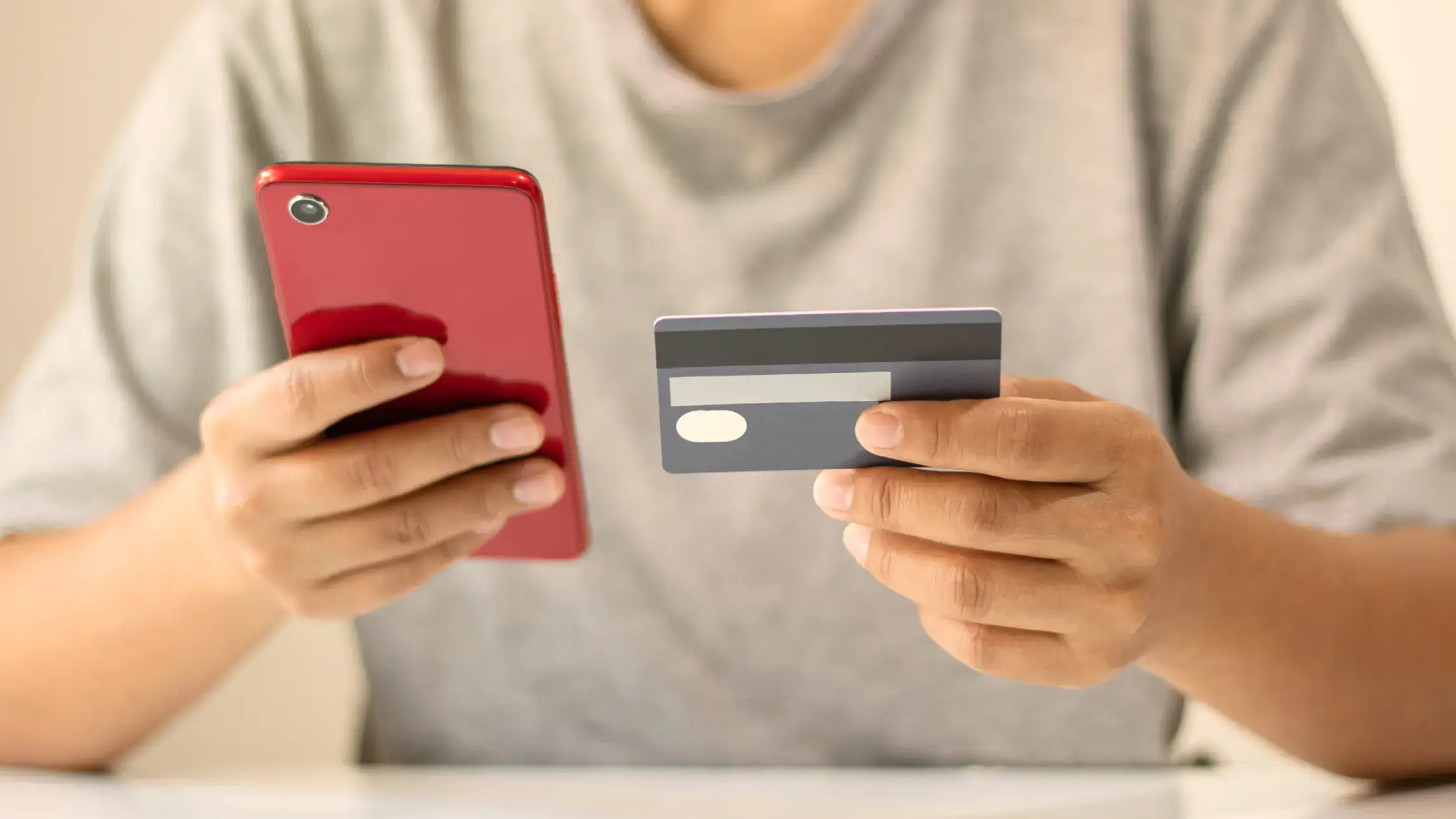
There are many pieces to the e-commerce business puzzle, but none is more important than processing payments.
E-commerce payment processing enables businesses to securely accept online payments through credit cards, digital wallets, and other payment methods by connecting customers, payment gateways, and financial institutions.
Take five or six minutes and read about what online payments are, how to accept payments online, and ways to improve your e-commerce payment processing.
In this article:
- What Are Online Payments?
- What Is Ecommerce Payment Processing?
- How Ecommerce Payment Processing Works
- How Can I Accept Online Payments?
- Top 3 Types of Online Payments
- Credit card payments
- Digital wallets
- Direct ACH
- Payment Gateway vs Payment Processor
- How To Choose an Ecommerce Payment Processor
- How To Improve Your eCommerce Payment Processing

Custom image created in Canva
What Are Online Payments?
Online payments are electronic payments that are made over the internet. They are a convenient and secure way to pay for goods and services online.
Payment processors use multiple levels of encryption to protect the customer’s sensitive payment information.
What Is Ecommerce Payment Processing?
Ecommerce payment processing is the system that allows businesses to accept and manage online payments from customers.
When a customer makes a purchase, several components work together to complete the transaction:
- the customer’s payment method (credit card, digital wallet)
- the payment gateway
- the payment processor
- the merchant account
These systems verify the transaction, transfer funds, and confirm whether the payment is approved or declined.
For online businesses, payment processing is a critical part of the checkout experience and directly impacts conversion rates.
How Ecommerce Payment Processing Works
Understanding how payment processing works can help businesses optimize their checkout experience.
Step 1: Customer initiates payment
The customer enters payment details during checkout.
Step 2: Payment gateway encrypts data
The payment gateway securely transmits the customer’s payment information.
Step 3: Payment processor verifies transaction
The processor communicates with the customer’s bank to verify available funds.
Step 4: Approval or decline
The bank approves or declines the transaction.
Step 5: Funds are transferred
If approved, funds are transferred to the merchant’s account.
This entire process typically occurs within seconds.
How Can I Accept Online Payments?
The best way to accept online payments for your business will depend on your specific needs and requirements.

Custom image created in Canva
Here are some factors to consider when choosing a payment method:
- Types of payments you plan to accept: Some payment methods, such as credit cards, are more widely accepted than others.
- Fees charged by the payment processor: Different payment processors charge different fees. Compare different processors' fees to find the best fit.
- Security features you need: Ensure the payment processor you choose offers robust security measures to protect your customers' data.
- Integration with your website: The payment processor must integrate with your website's hosting provider.
Once you have chosen a payment method, you will have to set up an account with the provider. The exact process will vary by payment processor.
Services like Paysend illustrate how modern financial platforms are expanding the options for fast, convenient international payments.
Then, you must create a payment button to add to your website. Customers who click the button will be taken to the payment processor's website to complete the transaction.
Top 3 Types of Online Payments
- Credit card payments
- Digital wallets
- Direct ACH
The growth of e-commerce has led to a surge in online payments. People are more comfortable buying goods and services online and are more likely to pay for them electronically.
For instance, in 2021, statistics showed that two-thirds of adults made or received a digital payment.
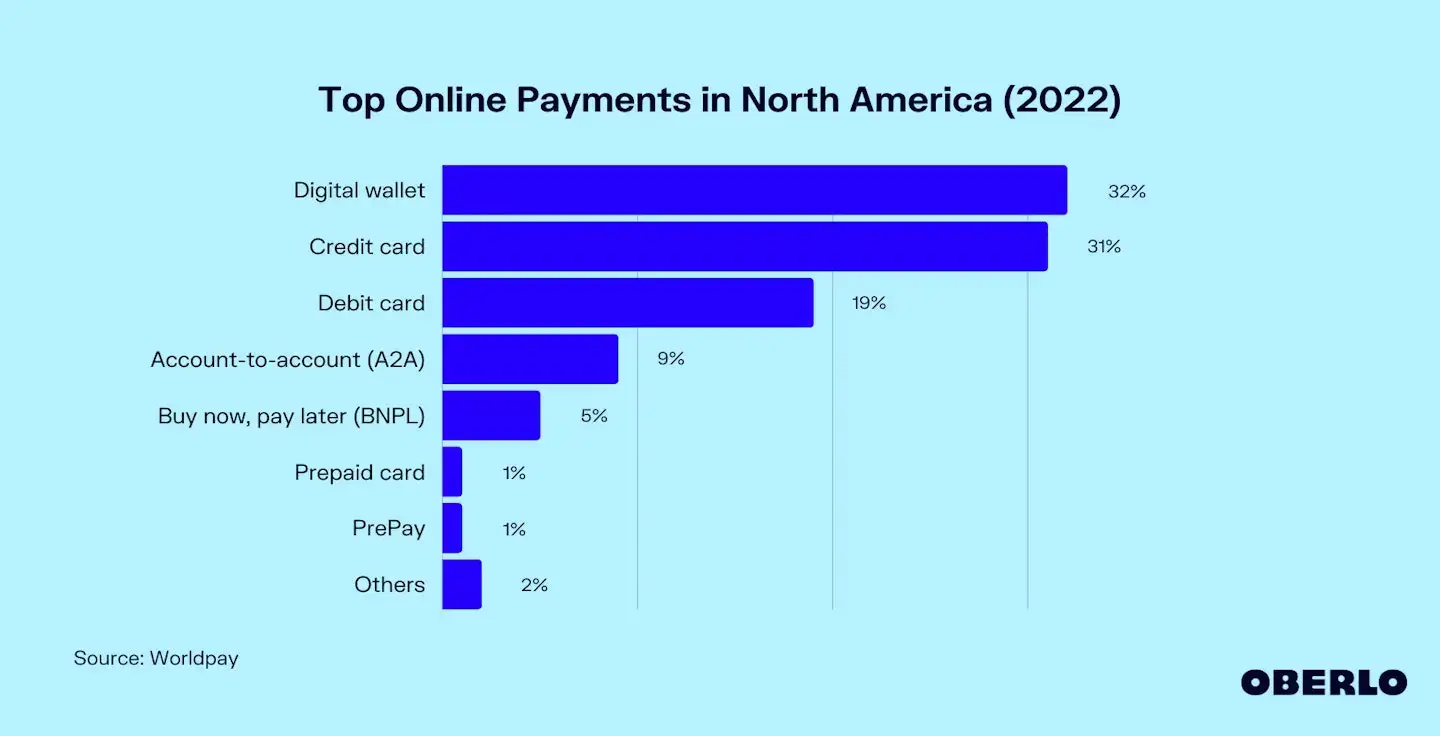
Offering multiple payment options can improve conversion rates and customer satisfaction. Here are three of the most popular types of online payments:
Credit card payments
Credit card payments are the most widely used payment method for online purchases. They are processed through a payment gateway, which is a secure server that encrypts the customer's credit card information.
Similarly, debit cards come in at #2 and are processed like credit cards, except that the funds come directly from your bank account.
Digital wallets
A digital or mobile wallet is a software-based payment system that allows you to make payments online or in-store using your mobile device.
Digital wallets store your credit card, debit card, or bank account information so that you can make payments without entering your details each time.
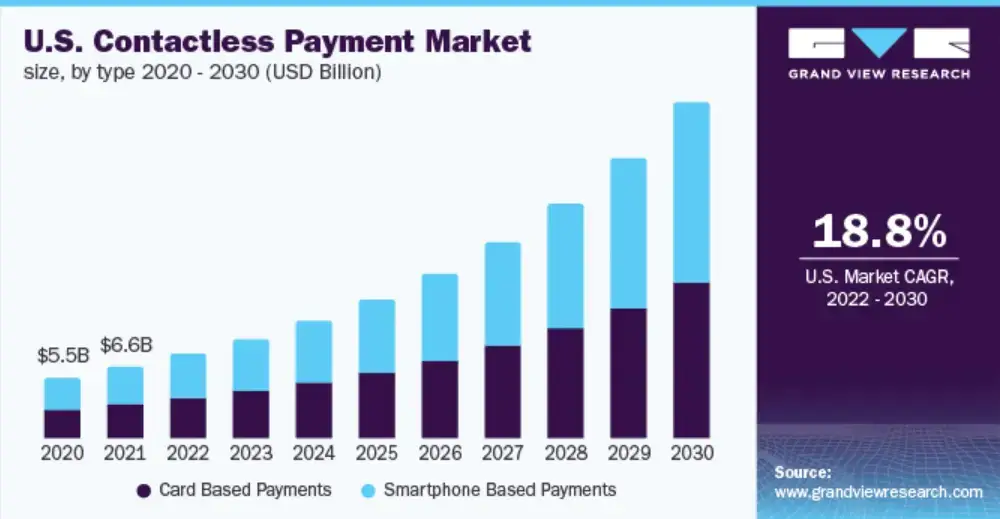
Ever heard of Apple Pay? Google Pay? CashApp? They are all digital wallets; statistics show they will grow exponentially in the coming years.
Direct ACH
Direct ACH (Automated Clearing House) is a way to accept payments directly from a customer's bank account. This method is often used for recurring payments, such as subscription-based billing.
Suffice to say that using ACH payment providers and offering multiple other ways to pay on your ecommerce website is the only way to see future growth.
Providing multiple payment options helps accommodate different customer preferences.
Payment Gateway vs Payment Processor
Although often used interchangeably, payment gateways and payment processors serve different roles.
| Payment Gateway | Payment Processor |
|---|---|
| Encrypts and transmits payment data | Processes the transaction with banks |
| Connects checkout to processor | Handles fund authorization |
| Examples: Stripe, PayPal | Works behind the scenes |
Understanding this distinction helps businesses choose the right payment setup.
How To Choose an Ecommerce Payment Processor
Selecting the right payment processor is essential for smooth transactions and customer trust.
Transaction fees
Compare processing fees, including per-transaction costs and monthly fees.
Supported payment methods
Ensure the processor supports credit cards, digital wallets, and other preferred payment options.
Security features
Look for PCI compliance, fraud detection, and encryption.
Integration with ecommerce platforms
Choose processors that integrate with platforms like Shopify, Wix, or WooCommerce.
How To Improve Your eCommerce Payment Processing
You can create a positive and memorable payment processing experience for your customers that will help improve your ecommerce conversion rate and boost your sales.

Custom image created in Canva
A common mistake is simply following your chosen platform's onboarding process and thinking that will suffice. There is more to it than that.
Offer multiple payment options
As previously mentioned, you want to offer multiple payment options.
First, you must consider your geographic target market and ensure that your payment options are accepted in that country or region.
This will make it more convenient for customers to pay and can also help to reduce cart abandonment.
Simplify and secure your checkout process
There is no simpler or more secure process than the one-click checkout offered by Link.
Should you choose not to offer it, ensure that your process is easy to follow and will make the customer feel that their personal and financial information will be kept private. Using a secure payment gateway is the best way to go.
Use fraud detection tools
Find a highly recommended fraud detection tool to help prevent fraudulent transactions. These tools typically use a combination of factors to assess transaction risk, such as the customer's IP address, billing information, and purchase history.
Optimize checkout for mobile devices
It's important to ensure that your checkout page is optimized for mobile devices so customers can easily complete their purchases.
The primary reason for abandoned carts in ecommerce is friction at checkout, and as mobile users continue to grow, optimizing for mobile checkout cannot be overlooked.
Offer live chat support
If customers have any questions or problems during checkout, they should be able to get help quickly and easily. Live chat support is a great way to provide this assistance and can be added with a simple chat plugin.
Get customer feedback
Ask your customers for feedback on their payment experience. This will help you to identify areas where you can improve.
The customer will gladly let you know what you got right or wrong. Use it as an opportunity to connect directly with your customer base.
Going the extra mile to ensure a positive customer experience can be the difference between hitting and missing your revenue targets.
In Closing
I hope you’ve learned enough about e-commerce payment processing in this article to improve your ecommerce store.
A quick review – improve your online payment collection experience by offering multiple payment options, making the checkout process simple and secure, using a reliable payment processor, keeping your payment information up to date, and talking to your customers.
Following these tips can create a positive, memorable payment processing experience for your customers for years to come.
Frequently Asked Questions
1. What is ecommerce payment processing?
Ecommerce payment processing is the system that allows online businesses to securely accept payments from customers. It typically involves a payment gateway, a payment processor, and a merchant account that work together to authorize, process, and transfer funds from the customer’s payment method to the business.
2. What are the most common types of online payment methods?
The most common online payment methods include credit and debit cards, digital wallets such as Apple Pay and Google Pay, and direct bank transfers, such as ACH payments. Offering multiple payment options improves customer convenience and reduces cart abandonment.
3. How can I accept payments on my ecommerce website?
To accept online payments, you need to integrate a payment processor or gateway with your website. This usually involves creating a merchant account, connecting it to your site through a plugin or payment button, and configuring accepted payment methods for customers.
4. How can businesses improve their ecommerce payment experience?
Businesses can improve their payment experience by offering multiple payment options, simplifying checkout, using secure payment gateways, optimizing checkout for mobile devices, and implementing fraud detection tools to protect customer transactions.

Author Bio
Mick Essex is the Growth Marketing Manager at POWR. His career spans two decades, primarily in the healthcare industry, with stints in broadcast television advertising and copy editing.
Mick attended the College of Journalism at the University of Louisiana - Monroe. He and his family currently call Lafayette, Louisiana, home. Follow him on LinkedIn.