
For a long time, most people didn’t look much beyond the product itself. Does it work? Is it affordable? Can I get it quickly?
Customers are asking harder questions now. Where did this come from? How was it made? What happens to the packaging?
What were fringe concerns before are basic due diligence today for a slice of buyers that keeps growing with every passing generation.
In this article:
- What “Digital Green” Actually Means for Small Businesses
- The Business Benefits of Building an Eco-Friendly Brand
- How to Build a Digital Green Brand Through Your Website and Marketing
- Common Challenges Small Businesses Face When Going Green
Source: intuitive digital
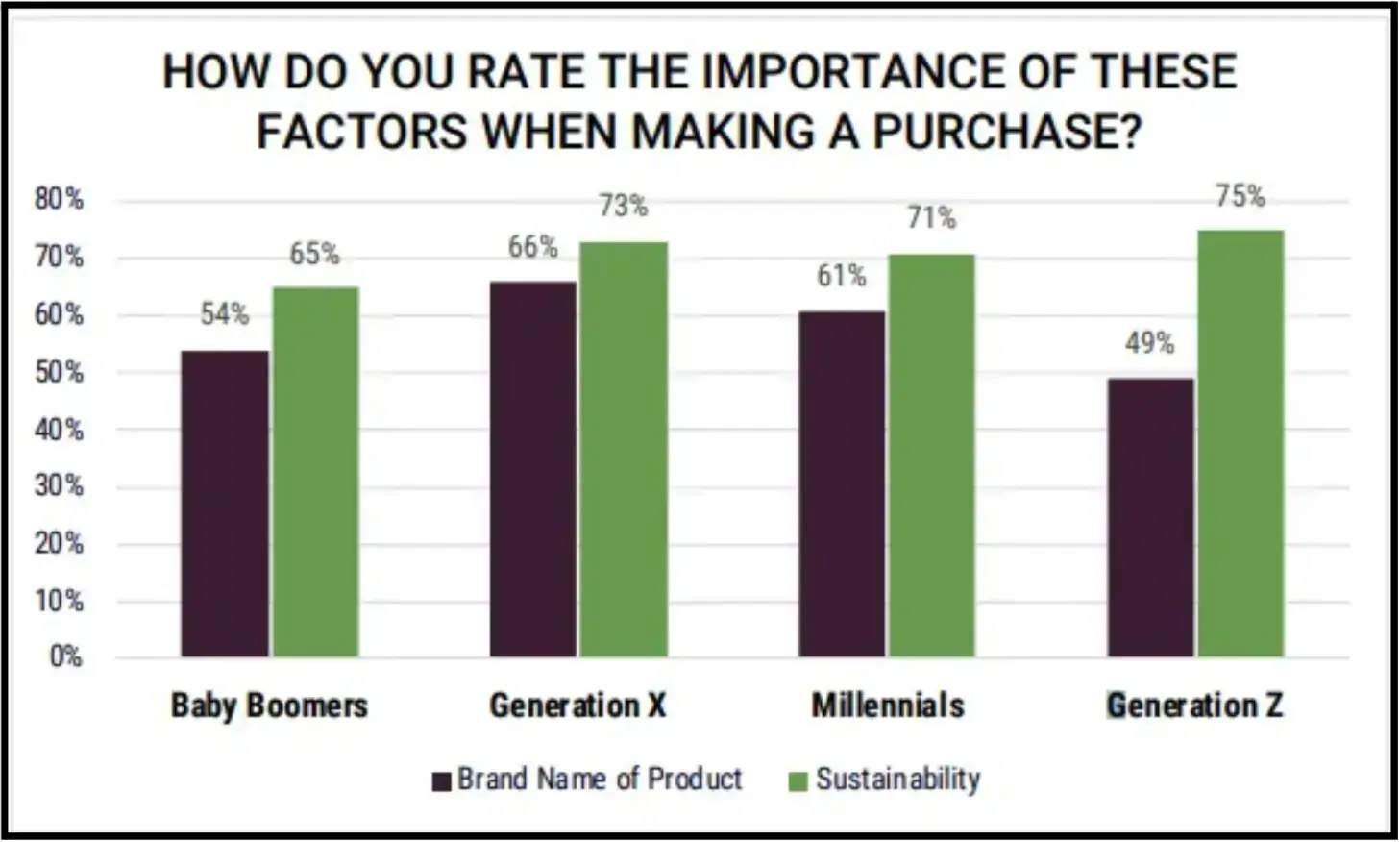
Products that made environmental and social claims may also grow faster than those that didn’t. The numbers back this up.
For small businesses, this matters. You can't staff a whole sustainability department, but you can work smarter with what you've got.
Digital Green is basically this: use your existing tech stack to cut waste, save energy, and prove your values online. You show up where your customers already are, and you back up what you say with what you actually do.
What “Digital Green” Actually Means for Small Businesses
Eco branding can sound lofty until you try to apply it to an actual website. What it is, is simple: You’re deciding how your pages load, how your forms work, and how much digital noise you create.
Most of the time, this means you have to tighten what’s already there.
Sometimes that looks like lighter web pages that load faster and quietly use less energy. Sometimes it’s about moving away from physical servers you no longer need. Other times, it’s as simple as replacing paper forms or PDFs with online flows that are easier for customers and easier for your team.
Companies cut real costs just by cleaning up their digital systems. A lot of them stumble into efficiency gains they weren’t even looking for.
Across eco-minded digital brands, a few practical patterns tend to repeat:
- Lighter websites with smaller images, cleaner code, and hosting that runs on renewable energy
- Product and service pages with real traceability, like QR codes or clear explanations of sourcing, repair, or recycling
- Smarter email programs that use preference centers and segmentation instead of blasting everyone
- Digital-first service options such as online booking, virtual meetings, and self-serve support that reduce friction and unnecessary back-and-forth
None of this reads as marketing spin, and that’s the point. When your eco branding is reflected in how your website behaves and how your digital systems operate, it feels credible.
The Business Benefits of Building an Eco-Friendly Brand
Green practices usually pay for themselves, just not always in obvious ways at first.
Lower Operating Costs Through Digital Efficiency
Start with costs. When you reduce waste in physical operations, you often reduce waste in digital ones too.
Lighting is the classic example: ENERGY STAR LED bulbs use up to 90% less energy and last up to 25 times longer than traditional incandescent bulbs.
The same logic shows up online. Fewer servers, cleaner systems, and lighter websites cost less to run over time.
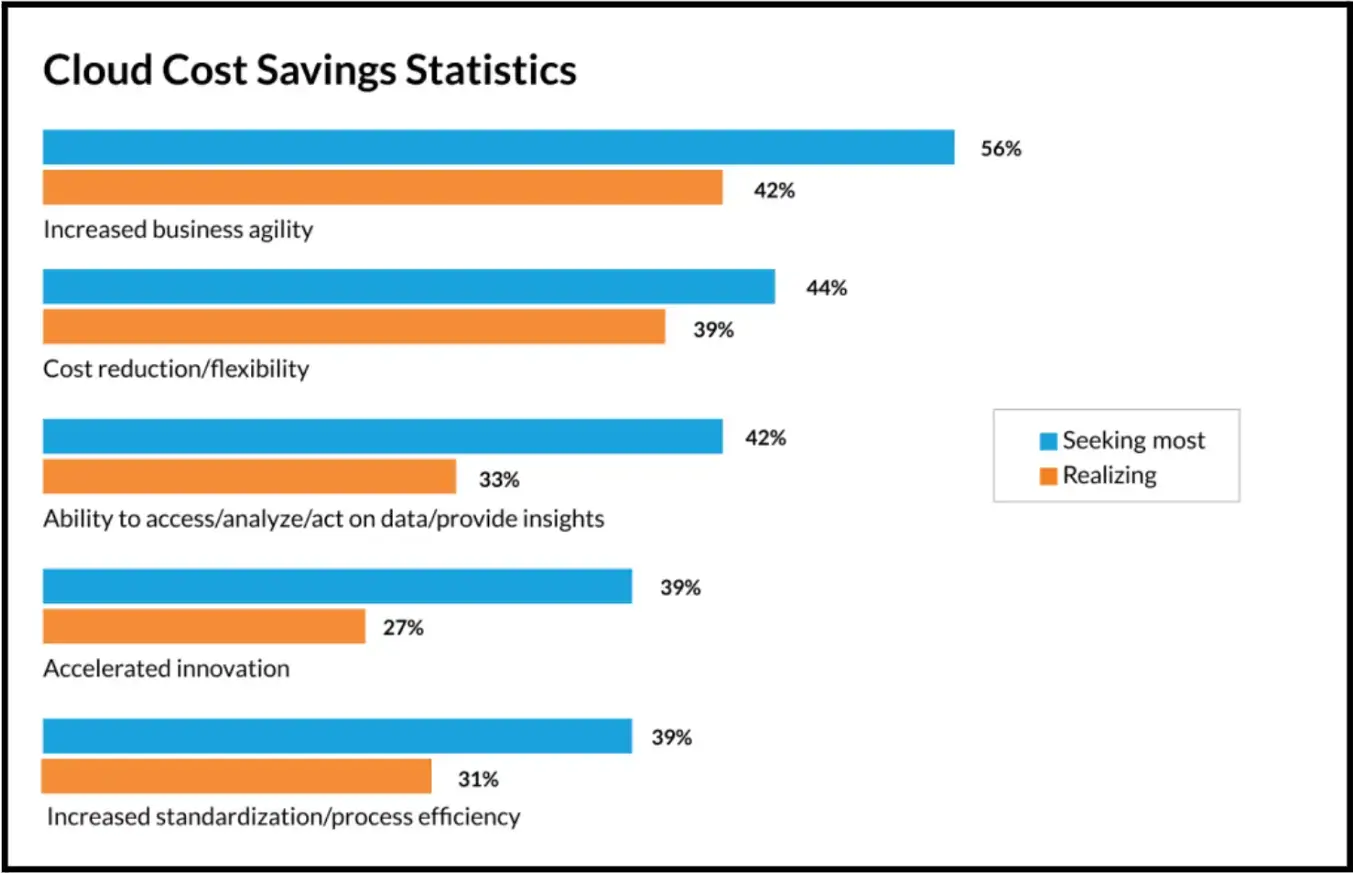
Cloud migration is another case where sustainability and efficiency overlap. An Accenture analysis found that companies moving to public cloud infrastructure saw meaningful reductions in emissions and resource use, alongside lower IT and maintenance costs.
For a small business, that usually translates to fewer things breaking, fewer vendors to manage, and lower overhead, not just a greener footprint. The benefits are multi-fold, as shown below.
Source: dev.pro
Stronger Brand Trust on High-Intent Pages
Then there’s trust, which shows up directly in how people interact with your site.
Customers don’t expect you to be perfect. But they do expect you to be specific. Vague claims about being “eco-conscious” don’t help anyone decide. Clear explanations do.
When people are evaluating something that carries real consequences, they look for pages that explain what applies, what doesn’t, and what happens next, just as information is laid out on a personal injury service page.
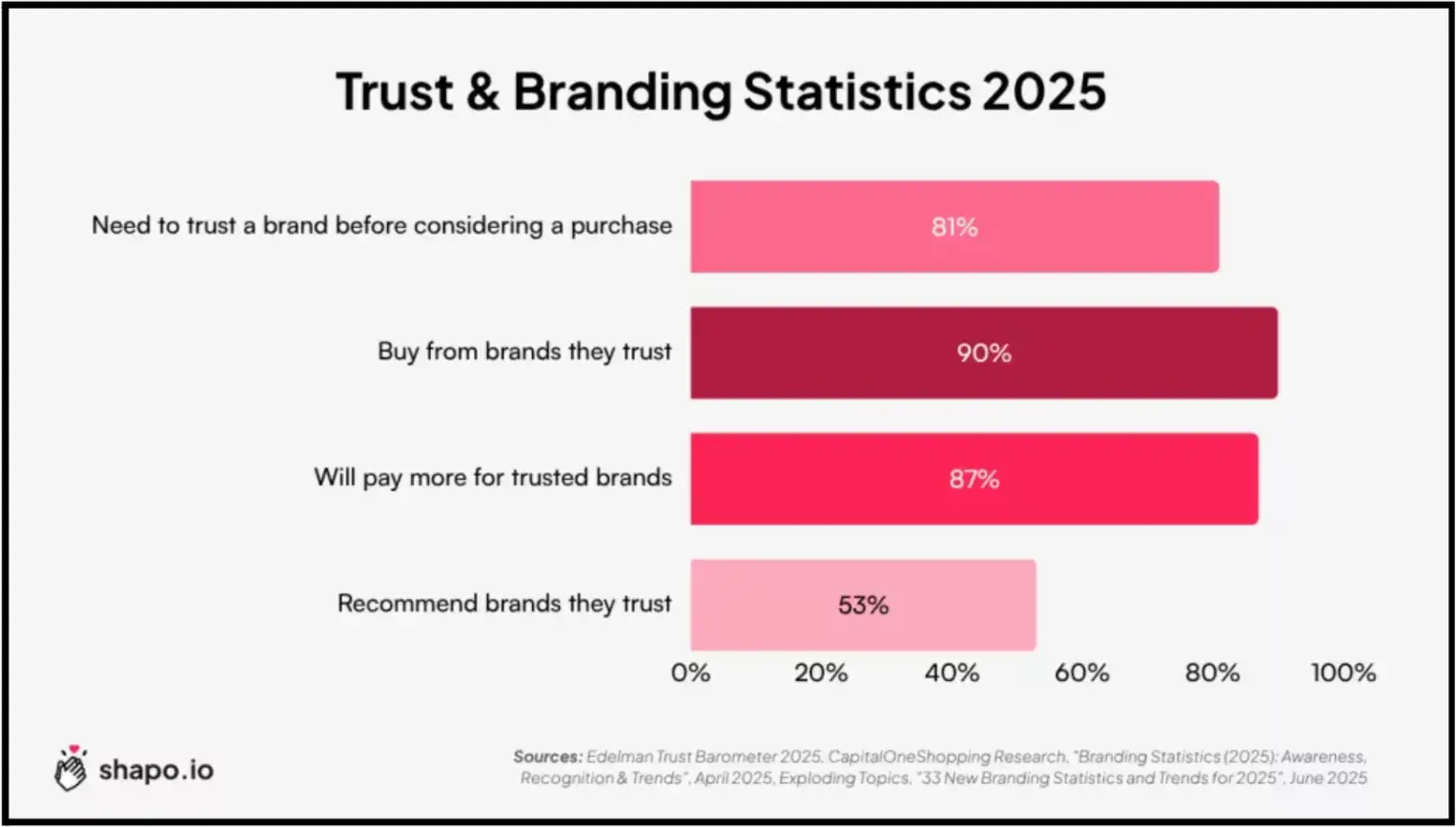
That preference for plain language and a defined scope is what makes sustainability messaging feel honest rather than promotional. And honesty works, especially when you look at the stats below.
Source: sproutsocial
This matters most on high-intent pages:
- product pages where buyers are comparing options
- checkout flows where hesitation kills conversions
- email follow-ups where people decide whether to stick around
Specifics reduce friction. They answer questions before they turn into doubt.
A growing segment of customers is actively looking for:
- low-waste or recyclable packaging
- repair-friendly products instead of disposable ones
- transparent sourcing, even if it’s imperfect
When your brand speaks clearly to those priorities, on your landing pages, FAQs, and emails, you’re not just “doing good.” You’re making it easier for the right customers to recognize themselves in what you offer.
Eco branding works best when it sharpens your positioning. It filters your audience in, not out. And when it’s backed by visible digital choices, it stops feeling like a claim and becomes proof.
How to Build a Digital Green Brand Through Your Website and Marketing
Great, so you know what you stand to gain from being eco-friendly. How do you actually get started? The last thing you want to do is claim to be eco-friendly and not follow through.
Step 1: Assess Your Digital and Operational Impact
Start simple. Review your website hosting, email tools, cloud services, and any other monthly-paid platforms. Then layer in operational basics such as energy use, shipping practices, and packaging.
- If you want a framework, the Greenhouse Gas Protocol lays out how to track emissions across different scopes.
- The SME Climate Hub offers free templates and goal-setting tools for small and medium-sized businesses.
- Curious about your website? The Website Carbon Calculator estimates emissions per page view.
Step 2: Start With Sustainable Digital Infrastructure
Go digital where it genuinely helps.
Cris McKee, Founder of GetWorksheets.com, builds a digital-first business where small workflow changes are reflected immediately in the customer experience. His perspective comes from shipping tools online and learning that sustainability often looks like plain old simplicity.
Here are a few quick ways you can do that:
- Move off on-site servers and into cloud services
- Use e-signatures and digital invoicing instead of paper
- Centralize files instead of storing multiple versions across tools wrap
- Move printed materials online when it makes sense.
Cloud platforms cut your hardware footprint and your carbon output. But they also let people work remotely and give you live data to make better calls.
Read our blog on how to boost website performance to get a headstart on this.
Step 3: Communicate Sustainability Without Greenwashing
What you say matters. How you say it matters more. People can smell greenwashing.
Tom Bukevicius, Founder and Principal of SCUBE Marketing, helps small teams turn marketing ideas into systems that actually hold up under real workload. His perspective comes from seeing what happens when brands make big claims but don’t support them where customers look.
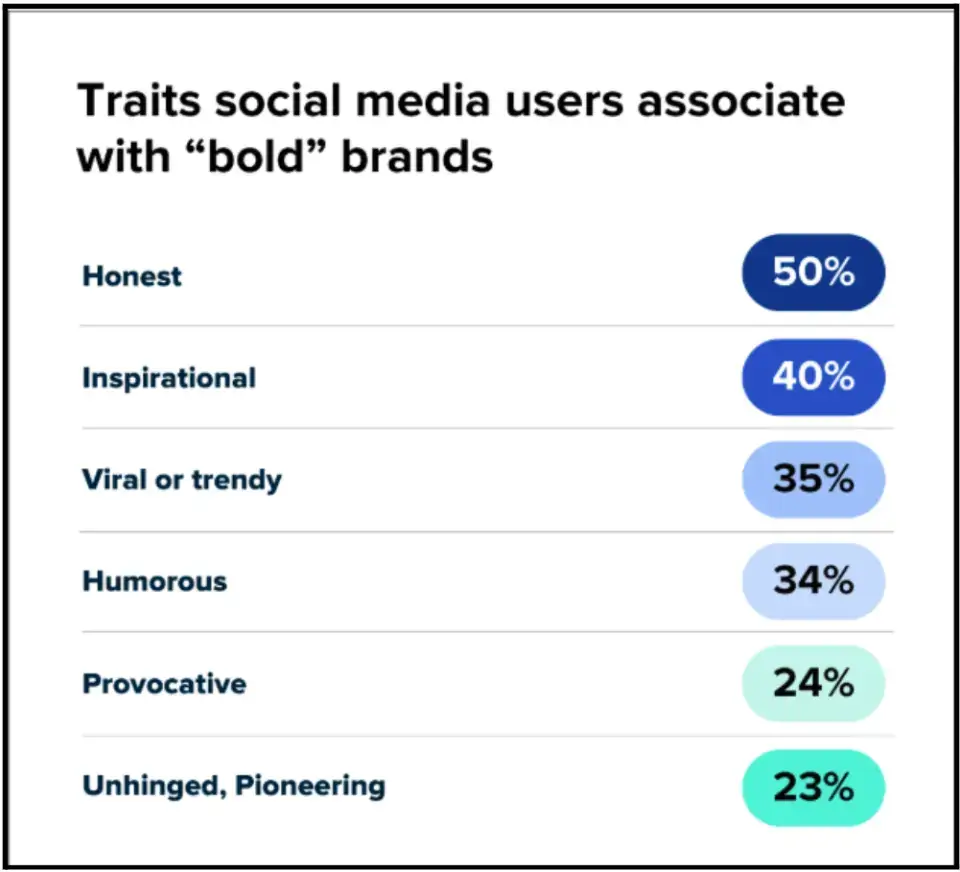
Don't say you're 'eco-friendly' and leave it there. Say what you did. Switched to renewable energy. Partnered with a local supplier. Customers respect honesty about both the wins and the work still ahead.
In fact, beyond honesty, encouraging trust also helps customers view you as a bolder, more current brand — take a look below.
Source: sproutsocial
Ways to share your story without sounding like a press release:
- Add a page to your site: "How we're cutting waste" with two or three real actions and what you're tackling next
- Drop a note at checkout about your packaging choices or delivery options
- Let subscribers pick what they hear about instead of blasting everyone with everything
- Ask for input: a quick form or one-question poll can shape your next move
Common Challenges Small Businesses Face When Going Green
The upside is real, but so are the obstacles. Most small businesses run into the same few friction points.
Cost worries usually come first, followed closely by time and tool sprawl. It can feel like going green means rebuilding your site, your emails, and your tech stack all at once. In practice, that assumption causes more delays than the actual work does.
The biggest block is the belief that you have to do everything at once. You don’t.
Start with changes that cost nothing and sit squarely in your digital setup: digital invoicing instead of paper, fewer print materials, cleaner email lists, lighter web pages, and simpler forms. These small shifts reduce waste and improve performance.
That mindset shift matters. Eco branding works better as a sequence of small digital wins than as a single big overhaul.
Data is another common headache. Tracking emissions across an entire supply chain is hard, especially if you rely on multiple vendors. If full reporting isn’t realistic yet, don’t stall. Focus on what you can actually control:
- How your site is hosted and how efficiently it runs
- How often and to whom you send emails
- How much friction exists in checkout and support flows
- Which digital processes replace paper or manual work
Those areas still count, and they’re visible to customers.
Finally, watch out for perfectionism. It’s one of the fastest ways to stop progress altogether. Done beats perfect here. Set one simple, concrete goal each quarter, implement it, and say so on your site or in your emails. That public accountability keeps momentum going and builds trust at the same time.
Adrian Iorga, Founder and President of Stairhopper Movers, runs a service business where efficiency is the margin. His perspective comes from seeing how quickly customers lose trust when businesses make claims they can’t explain simply.
Eco branding comes down to showing steady, believable progress and making it easy for customers to see it.
What the Future of Digital Green Looks Like for Small Businesses
When eco branding shows up in your digital presence, it does two things at once. It improves efficiency behind the scenes, and it makes it easier for customers to trust what they’re buying.
Faster pages, clearer messaging, and fewer unnecessary steps aren’t just “greener.” They convert better.
The future of Digital Green for small businesses looks practical, not performative. You don’t need a full overhaul or a perfect plan. Start with one small change.
Share what you’re testing. Adjust as you go. A lighter site here. A smarter email program there. The gains stack up faster than most people expect.
Pick one thing to do this week:
- Compress your website images
- Reduce unnecessary email sends
- Switch a process from paper to digital
- Add a simple page explaining what you’re working on
Make the quiet improvements first. Then tell the honest story behind them. That’s how eco-friendly brands are built online with one visible, believable step at a time.
Want more practical ways to turn your website into a growth engine?
Explore the POWR blog for hands-on guides on site performance, conversions, and digital marketing strategies that actually work.
Frequently Asked Questions About Digital Green
What does Digital Green mean for a small business?
Digital Green reduces waste and friction through your digital setup, not just your physical operations. It includes things like running a lighter website, sending fewer unnecessary emails, moving paperwork online, and using cloud tools more efficiently. The goal is to lower environmental impact while also making work easier for your team and customers.
Do eco-friendly digital changes actually save money?
In many cases, yes. Cleaner websites load faster and cost less to run. Fewer emails reduce software and deliverability costs. Cloud tools often replace multiple legacy systems, reducing maintenance overhead. The savings usually come from simplification rather than from large upfront investments.
How can small businesses avoid greenwashing?
Be specific and narrow. Instead of broad claims like “eco-friendly” or “sustainable,” explain one or two concrete actions you’ve taken and when you took them. For example: switching to digital invoicing, reducing print materials, or changing packaging. Customers trust clear scope more than ambitious promises.
Is Digital Green only about environmental impact?
No. While environmental impact is part of it, Digital Green also improves usability, clarity, and trust. Faster pages, clearer forms, and simpler workflows benefit both customers and employees. Sustainability and efficiency tend to move in tandem when changes are made thoughtfully.
Where should sustainability information live on a website?
The most effective places are where customers already look: product pages, FAQs, checkout flows, and confirmation emails. A short explanation at the right moment works better than a long sustainability page that few people read. Visibility matters more than volume.
What’s the easiest first step to get started?
Start with something small and visible. Compress website images, clean up your email list, replace one paper process with a digital one, or add a short FAQ explaining what you’re working on this quarter. Small steps are easier to maintain, and momentum builds from there.

Author Bio
Catherine Schwartz is a marketing & e-commerce specialist who helps brands grow their revenue and move their businesses to new levels.