
Custom T-shirts are one of the simplest ways for solopreneurs and small business owners to create high-margin products that also market their brand.
Creating company branded shirts early helps establish recognition, build customer loyalty, and turn every buyer into a walking advertisement.
A well-designed shirt can transform casual browsers into loyal customers, generate repeat purchases, and promote your business every time someone wears it.
But to truly convert, your shirts need more than attractive graphics; they need strategy.
Why Custom T-Shirts Are High-Margin Brand Assets
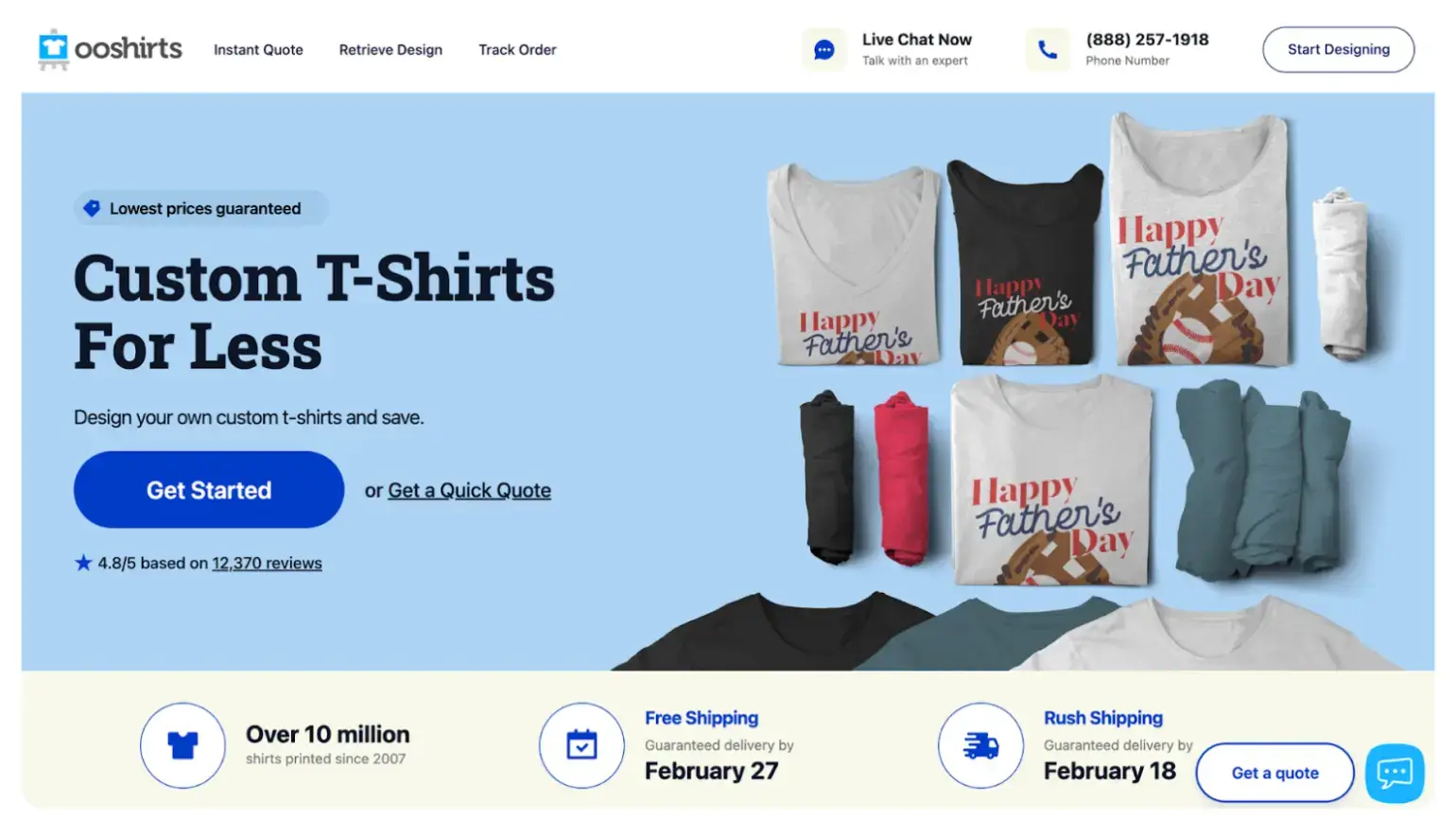
Source: ooshirts
For small businesses, custom shirts offer:
- Low startup costs (especially with print-on-demand)
- Strong brand visibility
- Repeat purchase potential
- Easy product expansion
Your T-shirts should tell a story that customers want to be part of.
Before launching designs, make sure your store can capture leads and feedback. Tools like popups and forms help validate demand before you invest in inventory.
How to Design Custom T-Shirts That Actually Convert
1. Start with a Core Branded Collection
Start with a focused collection of 3–5 designs that clearly represent your brand.
Why this works:
- Builds recognition faster
- Makes your store look professional
- Simplifies production decisions
Your hero shirt should appear first in your catalog and on your homepage. Use it in ads, emails, and social content to create consistency.
If you're still building traffic, pairing your launch with strategies from our blog can help drive early sales.
2. Keep Designs Simple and Bold
Online shoppers scroll quickly. Your design needs to communicate instantly.
High-converting design traits:
- One clear graphic or slogan
- High contrast colors
- Readable at thumbnail size
- Minimal clutter
Test different styles and track click-through rates to see what resonates with your audience.
3. Choose Fabric and Fit That Reduce Returns
Returns can eat into profits quickly for small brands.
Recommended fabric basics:
- 5.5–6 oz cotton blends for durability
- Ring-spun cotton for a premium feel
- Breathable materials for everyday wear
Fit strategy:
- Offer 2–3 clear fits (unisex, relaxed, athletic)
- Include size charts with visuals
- Show real people wearing each size
Adding clear sizing visuals improves conversions and reduces returns. Tools such as size charts or form builders can help customers make confident choices.
4. Use Color Psychology to Influence Buying Decisions
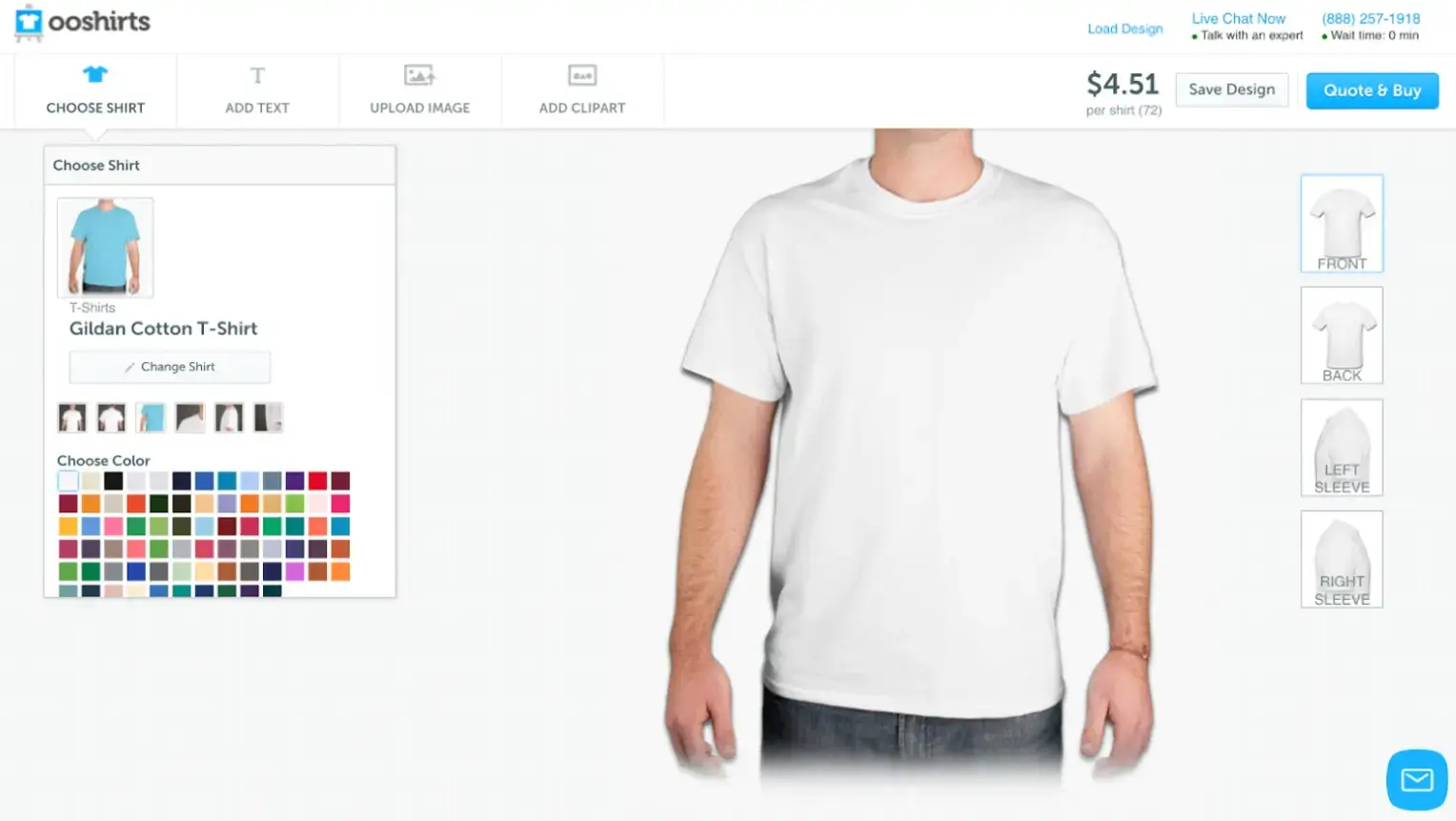
Source: ooshirts
Color strongly affects buying behavior:
- Blue: trust and reliability
- Red: urgency and excitement
- Neutrals: versatile and safe
- Earth tones: authenticity and lifestyle branding
Limit your palette to avoid overwhelming customers and complicating production.
Research from color psychology marketing confirms that consistent brand colors improve recognition and purchase confidence.
5. Optimize Typography for Mobile Shoppers
Most shoppers browse on their phones.
Use:
- Bold sans-serif fonts
- Short phrases
- Large readable text
- Clear hierarchy
Whitespace improves perceived quality and readability. Always preview designs on mobile before publishing.
6. Strategic Print Placement That Elevates Perceived Value
Placement changes how customers perceive your shirt.
- Center chest: classic branding
- Full back: storytelling or bold graphics
- Sleeves: subtle premium touch
- Pocket area: minimalist style
Create multi-angle mockups to help customers visualize the shirt clearly before purchasing.
Choose the Right Printing Method
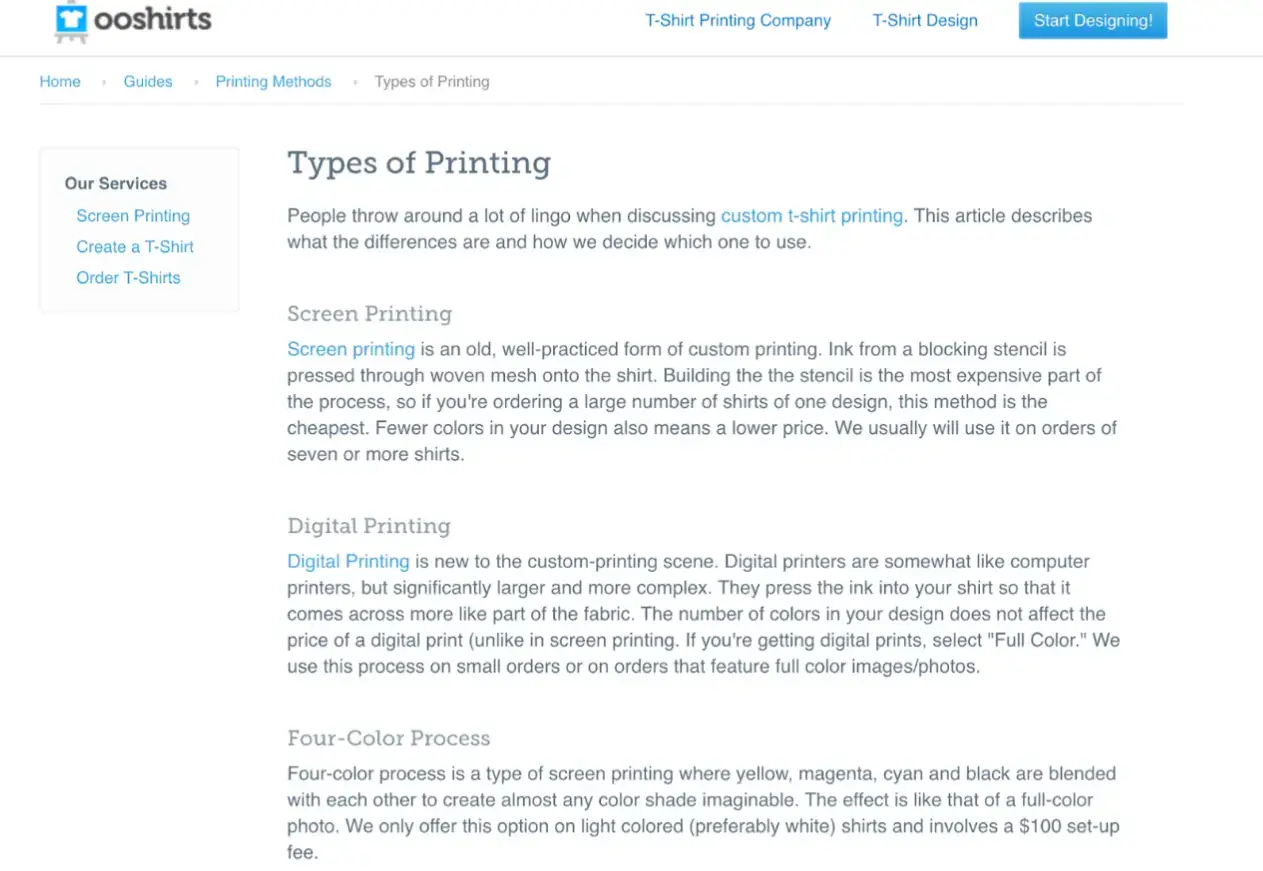
Source: ooshirts
Your design complexity and order size determine the best method.
Direct-to-Garment (DTG): Best for Small Batches
- Great for detailed graphics
- Soft finish
- Ideal for small batches
Screen Printing: Best for Bulk Orders
- Best for bulk orders
- Vibrant solid colors
- Lower cost per unit at scale
Guides from platforms like Shopify explain how to balance cost, quality, and scalability when choosing production methods.
Photography That Increases Conversion Rates
Source: ooshirts
High-quality visuals build trust instantly.
Include:
- Lifestyle photos
- Clean product mockups
- Fabric close-ups
- Model shots
Video can boost conversions even more. Research from Wyzowl shows product videos significantly improve purchase confidence.
If you're just starting, begin with strong mockups and upgrade bestsellers with real photoshoots later.
SEO and Product Descriptions That Drive Sales
Avoid generic descriptions. Instead:
- Lead with who the shirt is for
- Tell the story behind the design
- Add fabric and fit details
- Include long-tail keywords
Example keywords:
- minimalist graphic tee
- gym motivation shirt
- small business branded apparel
Use clear category filters and searchable tags to improve discoverability.
Pricing Strategies for Higher Profit Margins
Most successful small brands price shirts at 3–5× production cost.
Increase revenue with:
- Limited drops
- Bundles (shirt + accessory)
- Premium fabric upgrades
- Seasonal editions
Countdown timers and urgency tactics, as discussed in this article, can boost conversions during launches.
Building Social Proof for Apparel Brands
Encourage customers to share photos wearing your shirts.
Feature:
- Customer reviews
- User-generated content
- Testimonials
- Real-world photos
Psychologist Robert Cialdini notes that social proof reduces buyer hesitation and increases trust, especially for new brands.
Test Before You Scale
Avoid overproducing unproven designs.
Start with:
- Small print runs or print-on-demand
- Conversion tracking
- Customer feedback surveys
- Heatmap tools
Double down on bestsellers and retire low performers. Data-driven iteration is what turns a side hustle into a reliable revenue stream.
Conclusion: Turning Custom T-Shirts Into Scalable Brand Revenue
For solopreneurs and small business owners, custom T-shirts are more than merchandise — they’re scalable brand assets.
When you focus on:
- Simple, bold design
- Quality fabric and fit
- Strategic pricing
- Strong visuals
- Continuous testing
You create products that don’t just look good — they convert consistently.
Start small, validate demand, and scale what works. A single great T-shirt can become the foundation of a thriving e-commerce brand.
FAQs About Selling Custom T-Shirts Online
1. What makes a T-shirt design convert well?
Simple graphics, bold typography, clear photos, and strong product descriptions typically drive the highest conversion rates.
2. How many designs should I launch with?
Start with 3–5 strong designs to keep your catalog focused and production manageable.
3. Is print-on-demand best for beginners?
Yes. It reduces upfront costs and lets you test demand before ordering in bulk.
4. How should I price custom T-shirts?
Most small brands price shirts 3–5× the production cost to cover marketing, fees, and profit.
5. How can I market shirts on a small budget?
Use email marketing, social proof, user-generated content, and limited releases to build demand organically.

Author Bio
Charlotte Lee is a dynamic content strategist who blends creativity with precision to deliver impactful digital experiences. With a strong background in storytelling and brand development, she specializes in building content ecosystems that drive growth, foster connection, and elevate brand identity.
Known for her strategic thinking and collaborative approach, Charlotte partners with brands to craft narratives that are both authentic and results-driven. Her work transforms ideas into powerful content strategies that resonate deeply with audiences and move businesses forward.