

In a world where people don’t want to be bothered, a smart rule for customer engagement is that less is more. c
Your customer simply wants proof that you’re real, that you can get the job done, and that you'll make every step as simple as possible.
That’s the whole game, and you will likely only have one or maybe two chances before it’s game over. Instead of trying to say everything all at once, you build a website flow that does three things fast:
- Catches the lead
- Builds trust
- Makes “yes” easy
Here are the tools that can get you there with as few admin headaches as possible.
Tool #1: Smart Lead Capture Forms
Whether you’re onsite, driving, or finally clocked out for the day, you can’t always be there to answer a customer’s questions.
That’s okay if you follow recommended lead generation tactics, such as adding a form to your website to capture leads and provide estimates.
Source: BCcampus
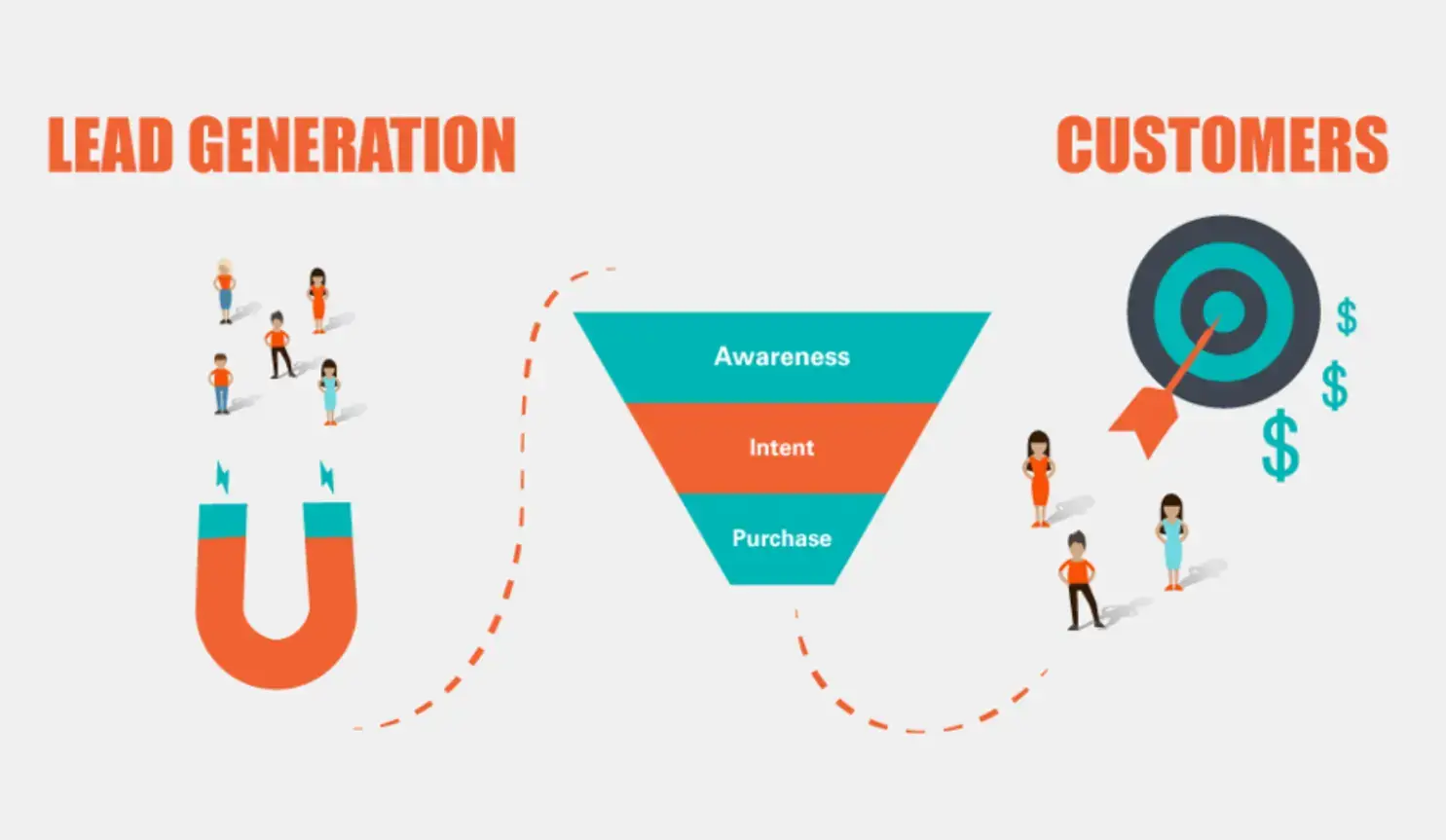
An optimized form collects customer information and guides them through the process. The goal is to reduce phone tag, gather the details you need, and filter out the people who were never serious.
Remember, many customers avoid phone calls. It’s nothing personal, but we’ve all been burned by too many spam calls.
In 2025, the National Do Not Call Registry had approximately 258.5 million active registrations.
That’s why customers are unlikely to trust your phone number if they don’t recognize it. If you’re relying on phone calls, you’re adding a high-friction step to your process.
A smarter lead-capture process uses a form that’s always available on your website, prequalifies without requiring an introductory phone call, and sets a tone that builds customer trust.
Tool #2: Flexible Financing Options
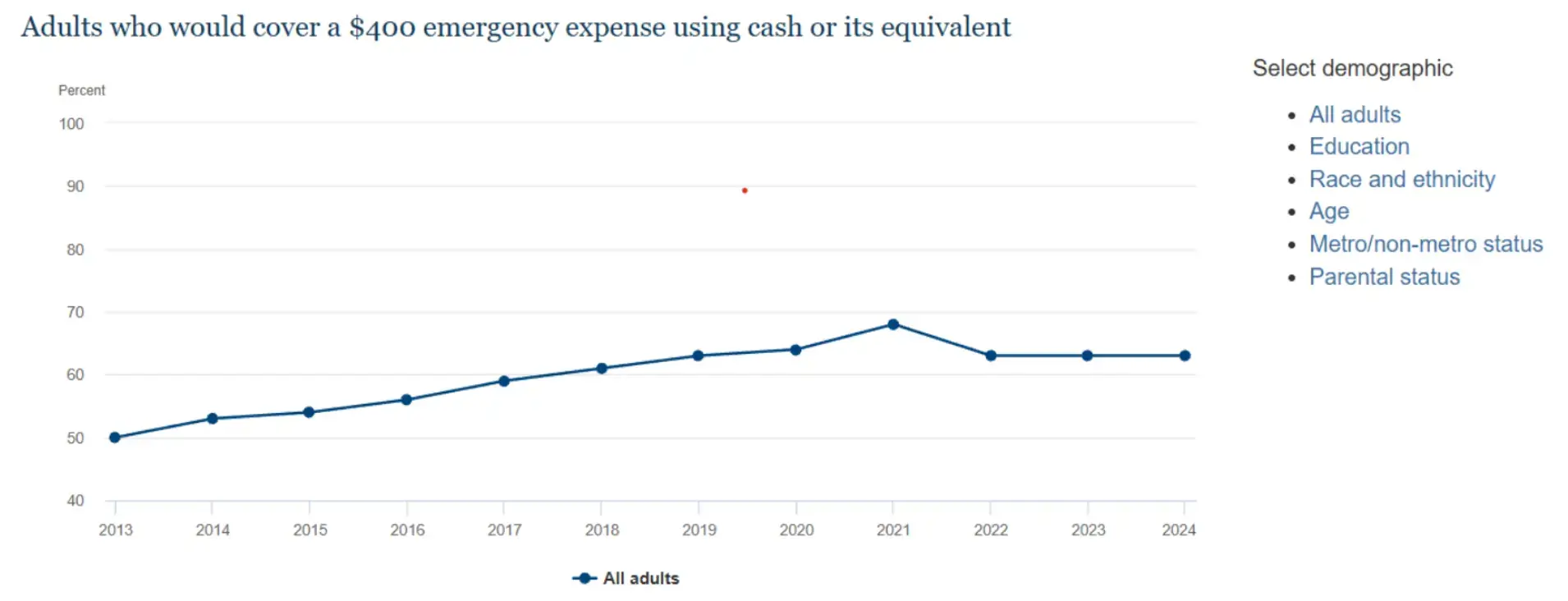
According to the Federal Reserve’s Survey of Household Economics and Decisionmaking, 63% of adults said they would cover a hypothetical $400 emergency expense using cash or its equivalent.
That means 37% would not, which is about four out of every 10 customers who might need a flexible financing option to say “yes.”
Source: The Fed
When a customer says, “Not now,” they almost always mean they need to wait until they can pay. When you offer financing through tools like Finturf, you make the price more manageable for customers who need flexibility.
Tool #3: Online Scheduling
You get a lead. You call them back. They miss it. They call you when you’re on another job. By the time you reconnect, they’ve already picked someone else.
A scheduling spiral can kill momentum and make you lose the sale.
An online booking tool like Calendly (or another tool to simplify appointment scheduling) can eliminate those calls and texts.
You can even connect it with your lead generation flow. The customer fills out the form, and before they’re finished, they’ve scheduled a service call, and it’s on your calendar.
Without a tool like this, you rely on catching customers during their downtime. The odds of that are low, given that full-time employees average 8.4 hours of work per weekday.
That means a lot of your customers are too busy to answer the phone. Providing online scheduling allows customers to schedule the next step at their convenience. It also reduces administrative work.
Tool #4: Texting for Follow-Ups and Updates
If you need a reason why texting should be your go-to tool for follow-ups and updates, consider that 78.7% of adults live in wireless-only households.
The best texts sound like a real person who respects their time. For example, “Got your request. What’s the address and the best day for an on-site look?”
Or, if they’ve already set an appointment through your scheduler, “Confirmed. We’ll see you Tuesday at 3 p.m.”
Remember to text only people who have opted in or requested to be contacted, and follow all applicable telemarketing and texting rules.
Tool #5: Social Proof That Builds Instant Trust
A glowing testimonial builds trust in seconds. It also reduces price friction because credibility makes your bid feel safer.
Case in point: the FTC estimated $1.46 trillion in U.S. sales of goods and services for which consumers rely on reviews in their decision-making.

As University of Wisconsin–Milwaukee professor Dawei Jian said about early customers, “Their experiences don’t just reflect demand. They actually help create future demand.”
A social proof section lets you highlight your best reviews where they matter most. These are the pages where the customer decides whether to work with you.
When customers aren’t sure you’re the right choice, reviews give them the confidence to move forward.
The Big Takeaway: Engagement Is About Removing Friction
Customer engagement doesn’t mean adding more steps to your sales flow. It’s about removing any friction that makes people hesitate.
The five tools above are proactive: they solve issues before they become problems and make it easier for the customer to say “yes.”
Frequently Asked Questions About Customer Engagement Tools
1. How Do I Know If My Lead Capture Form Is Too Long?
If people start your form but don’t finish it, then it’s probably too long. You can use a session monitoring tool like Fullstory to see exactly where they are falling off. Then you can remove that field or move it elsewhere in the form to reduce friction.
2. What’s a Respectful Follow-Up Cadence for Texting?
A good rule of thumb is to send one helpful text right after the inquiry, and then send one follow-up if you do not hear back. If there’s still no response after that, switch to email and wait for the customer to respond. Be sure to text during normal business hours and include an opt-out option, such as “Reply STOP to opt out.”
3. What’s the Fastest Way to Improve Website Engagement?
Removing mobile pain points can lift engagement faster than adding new features. Try using your site as a customer would and see how easy or difficult it is to interact with your CTAs (calls to action). You might need to make buttons easier to tap, simplify steps, or reduce typing.
4. Where Should Reviews or Testimonials Be Placed?
Place your social proof right next to where the customer makes a decision. That can be on your pricing or product pages, at checkout, and on contact or booking pages. Choose short testimonials that answer the most important questions about your product or service.

Author Bio
As the Chief Content Officer at Finturf, Michael Needham leverages performance marketing and data-driven content expertise to ensure readers stay at the forefront of fintech innovation. His hands-on proficiency with advanced marketing platforms and keen understanding of consumer behavior ensure Finturf delivers impactful, results-focused articles that drive business growth and customer engagement.