

In an age when digital noise is louder than ever, it has become imperative for brands to employ innovative, captivating strategies to engage audiences.
While blog posts and eBooks serve as sturdy pillars in content marketing, the real differentiation comes from venturing into less-explored territories.
Unveiling a blueprint that goes beyond the conventional, here’s a deep dive into advanced content marketing strategies that resonate in today’s digital ecosystem.
In this article:
- What Are Advanced Content Marketing Strategies?
- Why You Need to Go Beyond Blog Posts and Ebooks
- The Shift From Content Creation to Content Experience
- High-Impact Content Formats That Go Beyond Writing
- Interactive Infographics
- Podcasting
- AI-Powered Personalization
- Video Storytelling and Webinars
- Augmented and Virtual Reality (AR/VR)
- User-Generated Content (UGC)
- Chatbots and Conversational Marketing
- Strategic Content Syndication
- Micro-moments and Snackable Content
- Long-form Content and Deep Dives
- How to Build a Multi-Channel Distribution Strategy
- How to Measure the ROI of Advanced Content Marketing
- Advanced Framework: The Content Flywheel
- Examples of Advanced Content Marketing Strategies in Action
What Are Advanced Content Marketing Strategies?
Advanced content marketing strategies go beyond traditional formats like blogs and ebooks to deliver deeper engagement, richer user experiences, and higher conversion potential. These strategies combine multimedia, interactivity, personalization, and data to create content ecosystems rather than isolated assets.
While basic content focuses on attracting attention, advanced strategies focus on retention, conversion, and long-term brand affinity. They allow marketers to meet audiences where they already are—across video platforms, search, social, communities, and emerging interactive channels.
In other words, advanced content marketing is not about producing more content. It’s about producing smarter, high-impact content that compounds value over time.
Key characteristics include:
- Multi-channel format diversification
- Personalization driven by behavioral or demographic data
- Interactive and immersive experiences
- Content connected by a clear strategic ecosystem
- Repurposed assets designed for long-term ROI
Why You Need to Go Beyond Blog Posts and Ebooks
Blogs and ebooks still matter, but they no longer offer enough competitive differentiation on their own. With millions of new posts published daily, brands need advanced content marketing strategies to break through the noise.
Here’s why leveling up your content approach is essential:
- Audience behaviors have changed. Users prefer video, interactive tools, and visual content over long-form reading.
- Search engines reward diversified and multimedia-rich content. Google increasingly prioritizes experience-based and dynamic content formats.
- Static content doesn’t convert as well. Interactive content generates 2x more conversions than static formats, while personalized content improves engagement for 81% of marketers.
- Competition is fierce. Businesses that invest in advanced content workflows are 5x more likely to hit revenue goals.
If you're relying solely on blogs and ebooks, you’re missing out on opportunities to drive higher engagement, better rankings, and deeper customer relationships.
The Shift From Content Creation to Content Experience
Today’s content isn’t just something people read — it’s something they interact with. High-performing brands focus on content experience, meaning:
- Content that is interactive
- Content that adapts across multiple platforms
- Content that creates an emotional response
- Content that’s intentionally designed for audience behavior
High-Impact Content Formats That Go Beyond Writing
Here are advanced formats that outperform traditional blog posts and PDFs:
Interactive Tools
Quizzes, calculators, assessments, and diagnostic tools help users get personalized results.
Video & Micro-Video
Short educational videos, behind-the-scenes clips, and expert insights build authority fast.
Audio Content
Podcasts, audio snippets, and repurposed interviews allow deeper storytelling.
Case Story Videos or Success Spotlights
Not just case studies — narrative-style customer stories designed for social sharing.
Interactive Guides & Visual Playbooks
Clickable walkthroughs, flowcharts, or modular guides that break down complex steps.
1. Interactive Infographics
Interactive infographics take visual storytelling to a new dimension. Unlike static images, these infographics are layered with information that can be accessed through clicks, scrolls, or hovers.
This interactive element not only engages users but also facilitates the communication of complex data in an easy-to-understand format.
Furthermore, incorporating gamification elements can transform users' interactions with content into an engaging, fun experience, enhancing retention and potential sharing.


Interactive Content Experiences
Interactive content—such as calculators, quizzes, assessments, sliders, and configurators—keeps users engaged longer and guides them toward conversion.
Studies show interactive content converts twice as well as traditional static content.
Examples include:
- ROI calculators
- Style quizzes
- Pricing configurators
- Interactive infographics
- Product recommendation tools
These formats not only improve engagement but also gather valuable first-party data.
2. Podcasting
Podcasting has burgeoned into a full-fledged marketing medium that allows for deep connections with audiences.
In addition to offering in-depth analysis, podcasts can serve as platforms for industry leaders to share insights, success stories, and valuable lessons.
In tandem with podcasts showcasing industry insights, innovative technology platforms for artists are emerging, like Mixea, which streamlines the music mastering process, ensuring your audio content is impeccable.
What’s more, you can seamlessly integrate podcasts into other marketing channels to create a holistic brand narrative.
3. AI-Powered Personalization
Harnessing the power of artificial intelligence in content marketing offers unmatched personalization options.
AI can analyze user behaviors and preferences to create tailored content experiences that resonate on a personal level.
Predictive analytics and machine learning algorithms facilitate the delivery of content that not only meets the user's current needs but also anticipates future requirements.
This level of customization enhances user satisfaction and fosters loyalty, propelling brands toward sustainable growth.
Data-Driven Personalization
Personalized content is no longer optional—it’s expected. Using customer behavior, purchase history, or demographic insights, brands can deliver highly relevant messages that improve conversions and retention.
Ways to personalize:
- Dynamic website content
- Segmented email journeys
- Personalized recommendations
- Behavioral retargeting
When paired with storytelling, personalization becomes one of the most powerful advanced content marketing strategies.
4. Video Storytelling and Webinars
Videos have proven to be a powerhouse in content marketing, combining visual appeal with narratives that strike a chord.
On the other hand, webinars offer a platform to showcase expertise and foster community engagement.
Furthermore, using platforms that enable real-time audience participation can facilitate lively discussions and the exchange of ideas, fostering a community of engaged and loyal followers.

5. Augmented and Virtual Reality (AR/VR)
Integrating AR and VR into content marketing strategies offers a world of opportunities. These technologies create immersive experiences that go beyond mere visual engagement.
From virtual try-ons to 3D advertisements, AR and VR can redefine the consumer’s journey, providing an unparalleled depth of interaction.
Innovative brands are leveraging VR videos to create immersive product demonstrations and virtual tours, enabling customers to experience their offerings in a highly engaging, memorable way.
Moreover, these technologies allow virtual showrooms, product demonstrations, and immersive brand experiences that captivate users and leave a lasting impression.
6. User-Generated Content (UGC)
User-generated content (UGC) has emerged as a powerhouse in building trust and fostering community engagement.
Encouraging users to share their experiences and stories, or to create content around a brand, amplifies authenticity and reach.
Furthermore, UGC can be leveraged in reviews, testimonials, or social media shares, fostering a community that actively participates in brand storytelling.
Rewards or incentives can also spur more users to contribute, creating a virtuous cycle of engagement and creation.

User-Generated Content (UGC) & Community-Driven Content
UGC offers authenticity brands can’t replicate on their own. Encouraging customers to share reviews, tutorials, and social content helps build credibility and social proof.
Advanced UGC strategies include:
- Incentivized sharing campaigns
- Customer spotlight videos
- Social proof widgets
- Ambassador and affiliate programs
Community-driven content deepens trust and accelerates organic distribution.
7. Chatbots and Conversational Marketing
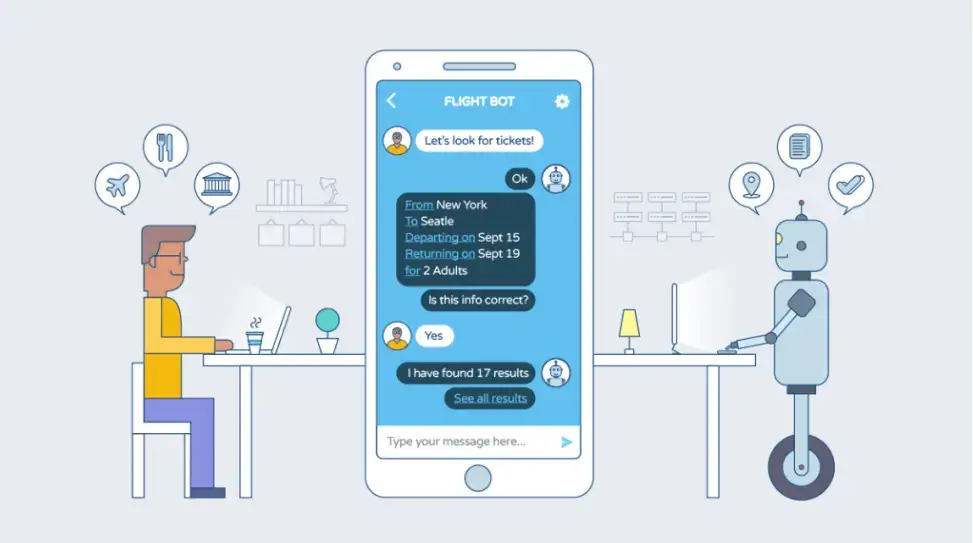
Chatbots have evolved from simple scripted responses to intelligent entities capable of holding human-like conversations.
Utilizing AI and natural language processing, chatbots can offer personalized recommendations, answer queries, and provide instant customer service.
Integrating chatbots into messaging platforms facilitates seamless communication, fostering engagement and conversion.
As an advanced strategy, conversational marketing through chatbots can streamline user experiences, offering value at every interaction point.
To truly thrive in the complex landscape of digital marketing, consider enrolling in Great Learning's Best Digital Marketing Courses.
 Mick Essex
These comprehensive courses offer in-depth insights into the latest trends, strategies, and tools that empower brands to create impactful digital narratives.
8. Strategic Content Syndication
Content syndication, when executed strategically, can significantly enhance a brand’s reach and influence.
By distributing content through reputable platforms and partners, brands can tap into new audiences and drive organic traffic.
Syndication also allows for cross-promotion and exploring synergies with other brands for mutual benefit.
Ensuring that syndicated content remains unique and valuable is crucial to fostering a positive brand image.
9. Micro-Moments and Snackable Content
Micro-moments, characterized by spur-of-the-moment decisions, have become pivotal in content marketing strategies.
Creating content that caters to these moments requires understanding the consumer’s journey and immediate needs.
This strategy requires balance, ensuring the content is informative, digestible, and shareable to foster viral trends.
10. Long-Form Content and Deep Dives
While catering to micro-moments is vital, long-form content remains essential in content marketing.
Deep dives give readers a thorough understanding of subjects, enhancing a brand’s credibility and authority.
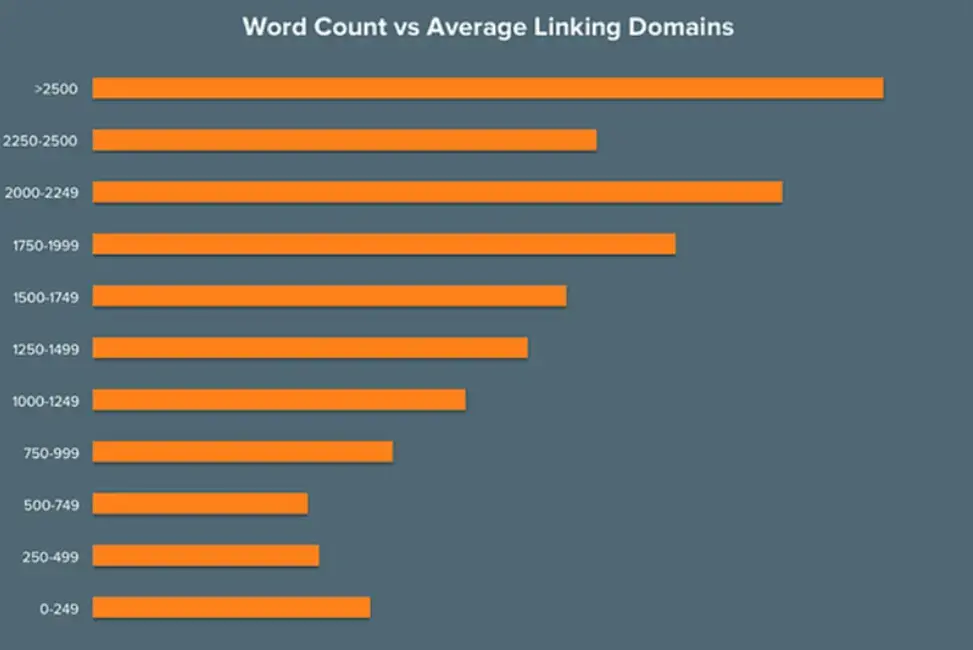
These pieces can become industry reference points, garnering backlinks and fostering organic growth.
Long-form content can take the form of guides, whitepapers, or in-depth articles, offering value to novices and experts alike.
 Mick Essex
How to Build a Multi-Channel Distribution Strategy
Creating great content is only half the battle — advanced strategies rely on distribution systems that increase reach across platforms.
Ways to distribute advanced content:
- Short-form video snippets on TikTok, Reels, or YouTube Shorts
- Slide decks or carousels on LinkedIn and Instagram
- Email micro-lessons using bite-sized insights
- Repurposed videos for Pinterest, YouTube, or community groups
- Interactive content embeds on your website
- Podcast guest appearances to expand your reach
How to Measure the ROI of Advanced Content Marketing
Measuring the success of advanced content marketing strategies requires tracking both engagement depth and revenue impact—not just page views.
Here are the most important KPIs to track:
Engagement Metrics
- Time on page
- Scroll depth
- Interactive element engagement
- Video retention
Conversion Metrics
- Lead capture rate
- Demo bookings
- Tool or quiz completions
- Email click-through rates
Revenue Metrics
- Content-assisted revenue
- Attribution path influence
- CAC impact
- Customer lifetime value
Advanced content marketing is most powerful when you understand which assets drive meaningful business outcomes.
Advanced Framework: The Content Flywheel
Instead of publishing content one piece at a time, advanced marketers build a content flywheel in which each piece of content fuels the next.
A simple flywheel structure includes:
1. Create a Core Asset
This could be a webinar, video series, long-form article, research report, or deep-dive guide.
2. Break It Into Smaller Assets
Turn the core content into:
- Short videos
- Social posts
- Carousels
- Audio clips
- Email sequences
3. Add Interactive Elements
Convert insights into quizzes, calculators, templates, or mini-tools.
4. Distribute Everywhere
Share content in formats that fit each platform’s strengths.
5. Measure & Refine
Track what performs best and build future content around those insights.
Examples of Advanced Content Marketing Strategies in Action
Here are real-world examples of brands using advanced content marketing strategies effectively:
HubSpot — Interactive Tools
HubSpot’s Website Grader is a classic example of interactive content that attracts millions of users and generates high-intent leads.
Canva — Community-Driven Templates
Canva showcases user-generated templates and designs, turning their community into a content engine.
Notion — Educational Content Ecosystems
Notion uses advanced long-form guides, video tutorials, and templates to create interconnected content ecosystems that attract and retain users.
Airbnb — Story-Driven UGC
Airbnb’s community-driven stories help establish trust and inspire travel, leveraging UGC as a powerful persuasion tool.
These examples make the concept more concrete while reinforcing keyword relevance.
Conclusion: Redefining Content Marketing in the Digital Age
As we stand at the juncture of innovation and tradition in content marketing, it's evident that a paradigm shift is underway.
From immersive technologies to personalized experiences, the scope for engagement and connection is expanding.
For professionals eager to steer their careers in this dynamic domain, the Advanced Digital Marketing Course serves as a beacon, offering theoretical knowledge and hands-on experience in navigating the complex world of digital marketing.
In conclusion, the evolution of content marketing demands a multifaceted approach where innovation meets expertise.
Brands ready to embrace these advanced strategies are set to thrive and lead narratives, setting new digital benchmarks.
FAQs: Advanced Content Marketing Strategies
1. What are advanced content marketing strategies?
They are high-impact, multi-format content techniques that use personalization, interactivity, and multimedia to drive deeper engagement and conversions.
2. Why should brands go beyond blogs and ebooks?
Audiences expect more dynamic, visual, and interactive experiences that provide immediate value and help with decision-making.
3. Which advanced strategies offer the best ROI?
Interactive tools, video content, AI-powered workflows, and ABM tend to produce the highest ROI for both B2B and B2C brands.
4. How do I know which strategy is right for my business?
Choose based on audience behavior, content goals, funnel stage, and available resources.
5. What tools help execute advanced content marketing strategies?
Common options include HubSpot, Semrush, ChatGPT, Typeform, Figma, Webflow, Loom, and Hotjar.

Author Bio
Erika Balla is a Hungarian content writer from Romania, specializing in AI and data science topics. She helps businesses simplify complex information and make data science more accessible to broader audiences.
Follow Erika Balla on LinkedIn.