

Let's talk about the secret sauce of search engine optimization — backlinks. Ever wondered why some websites seem to climb the Google rankings like they're riding a rocket? (Spoiler alert: it's all about quality backlinks.)
With every update, Google improves its algorithm's ability to detect spammy links and continues to show its consistent stance: quality trumps quantity.
As someone who's spent years diving deep into the world of SEO, I'm going to break down everything you need to know about building a rock-solid backlink strategy.
Keep reading to learn about the essential backlinks you need to know in 2025. Knowing this will make search engines trust your site more and bring in more visitors than your competitors.
Types of SEO Backlinks You Should Build
1. Editorial Backlinks
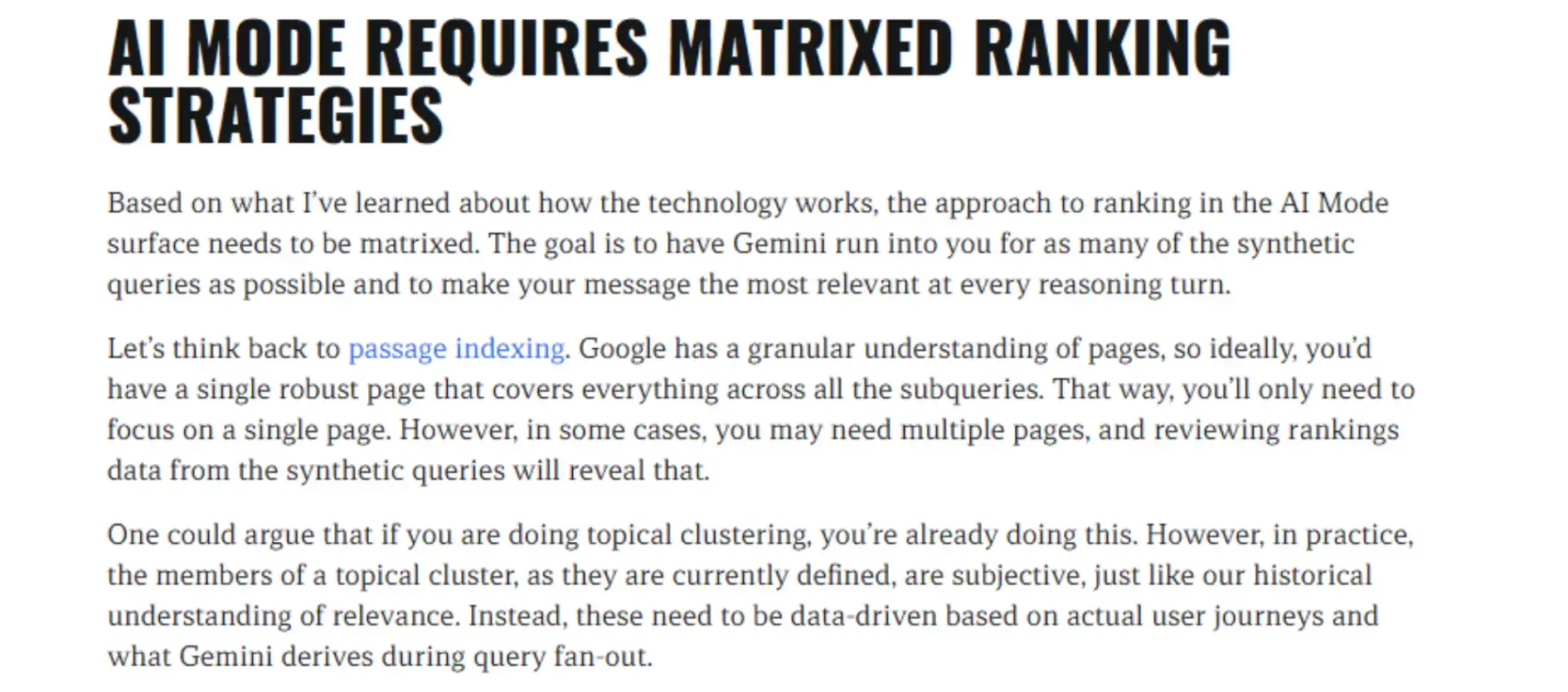
Editorial backlinks are organically earned links from other sites to your website.
Imagine a respected industry publication naturally linking to your content because it's genuinely valuable. That's an editorial backlink.
Source: iPULLRANK
Think of it like this: if The New York Times quotes your research or links to your blog post, Google basically rolls out the red carpet for your website.
These links scream credibility and are incredibly hard to fake or buy. It's not just a random link — it's a meaningful reference that enhances the reader's experience.
2. Guest Blogging Backlinks
Guest posts have traditionally served as an effective method to acquire quality backlinks. The process involves writing an article for another authoritative online resource, including a link to your own website.
Source: confetti
To earn guest post backlinks, the following steps are necessary:
- Create a list of guest blogging websites.
- Analyze these websites, reach out to the webmasters, and offer topics that are missing from their blogs.
- Write unique and problem-solving content to captivate readers with your content, whether an article, research, or infographic.
- Follow the terms and rules of publication. You can add a link to your website in the article or only in the author bio.
3. Directory Backlinks
Not all directory links are created equal.
Forget spammy, low-quality directories. Focus on legitimate, industry-specific directories that actually provide value and are selective about their listings.
If you’ve heard that directory usage is so last century, it’s not. If you choose relevant directories with a high level of attendance, you can get a few credibility points from search engines.
Source: crunchbase
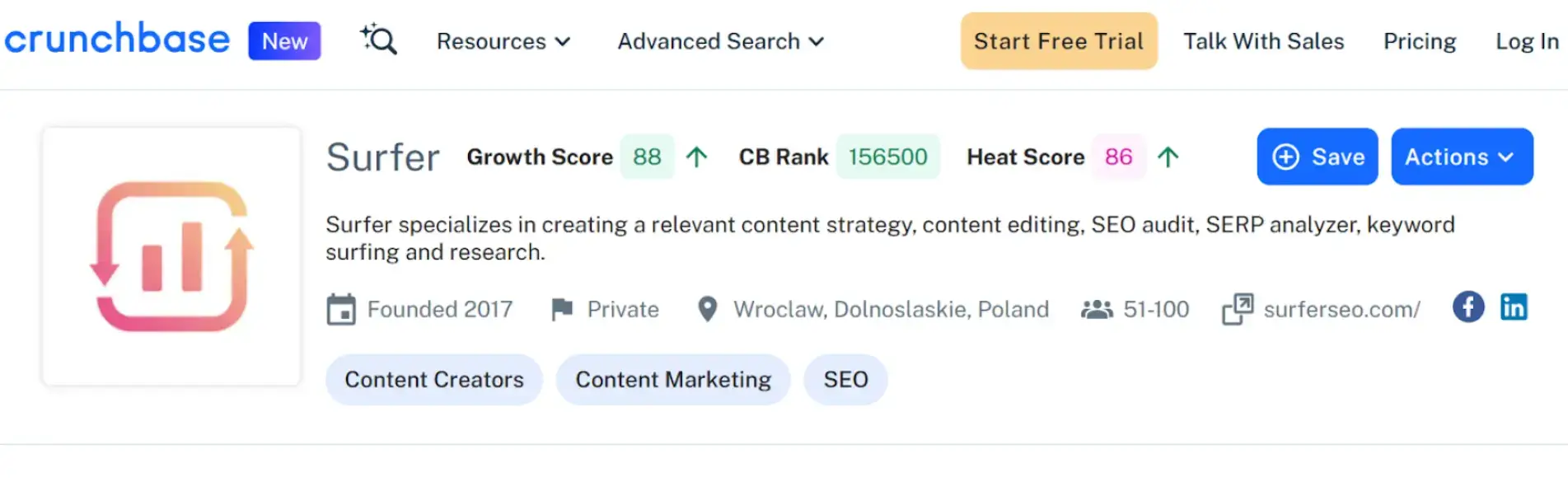
There are many directories where you can list your company for free or pay, such as Yelp, Crunchbase, Better Business Bureau (BBB), or EZ Local.
To get a backlink, you need to submit the basic information about your site to this directory. It is advisable to have several directories to help search engines find your site.
4. Niche Edits (Link Insertion) Backlinks
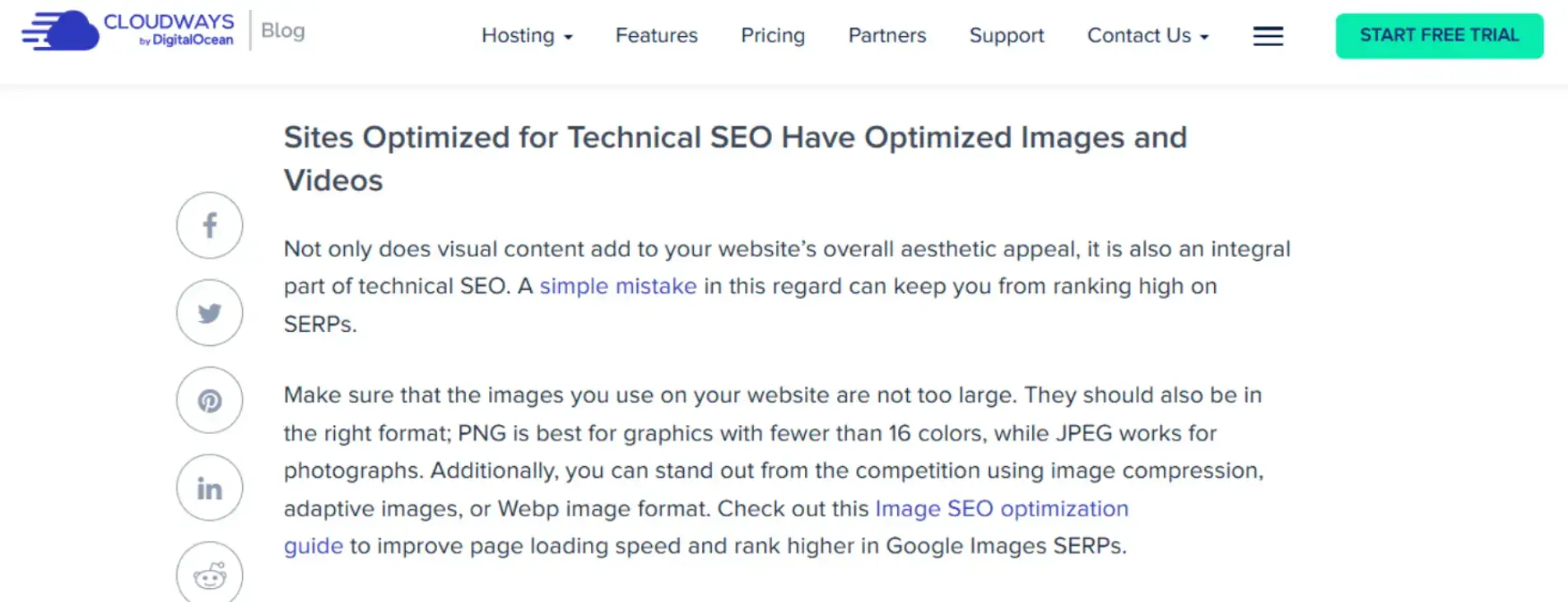
Niche edits, or link insertions, are when your link is added to existing content within your niche or industry.
The anchor text should precisely reflect the content's core, be surrounded by relevant text, and direct users to a specific page where they can find the necessary information.
Source: CLOUDWAYS
It is a win-win partnership for both parties involved:
- You get a link from a relevant source.
- Websites get a link to the relevant content.
5. Digital PR Backlinks
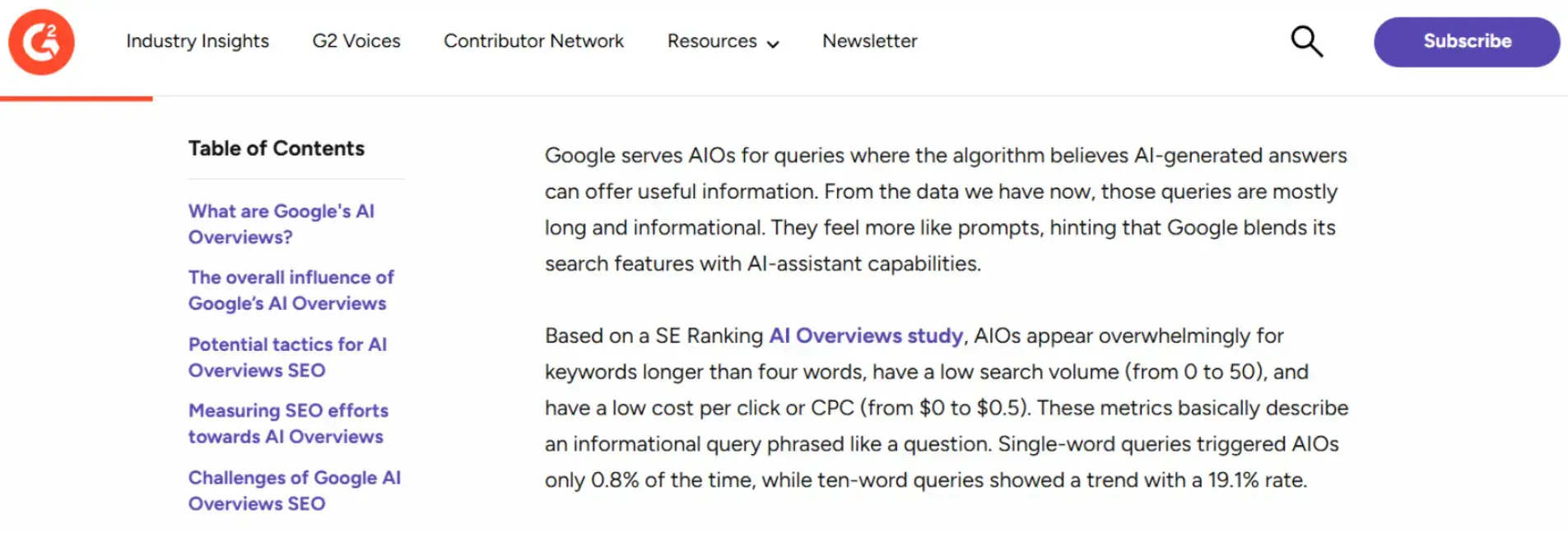
Digital PR represents the strategic art of generating high-quality backlinks through compelling storytelling and valuable content.
By creating newsworthy content, conducting unique research, or developing compelling stories, you can attract links from major publications and industry websites.
Source: G2
💡 89.6% of marketers say digital PR is the most effective way to build backlinks
6. HARO & PR Backlinks
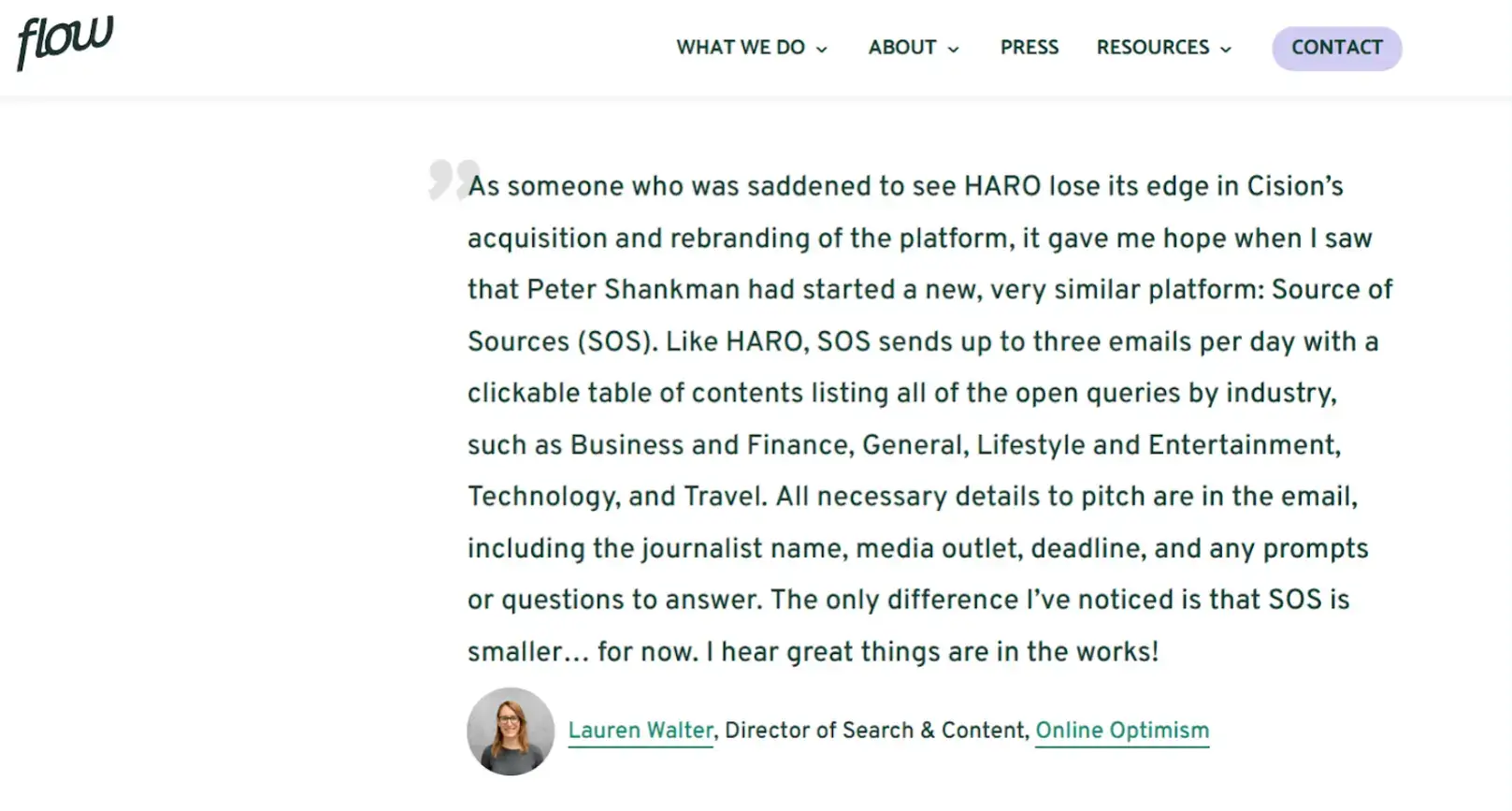
HARO is your secret weapon. Journalists are constantly looking for expert sources, and HARO connects them with professionals like you. Respond to relevant queries, get quoted, and boom — you've got a high-authority backlink from an authority site.
Source: flow
7. Webinar & Podcast Backlinks
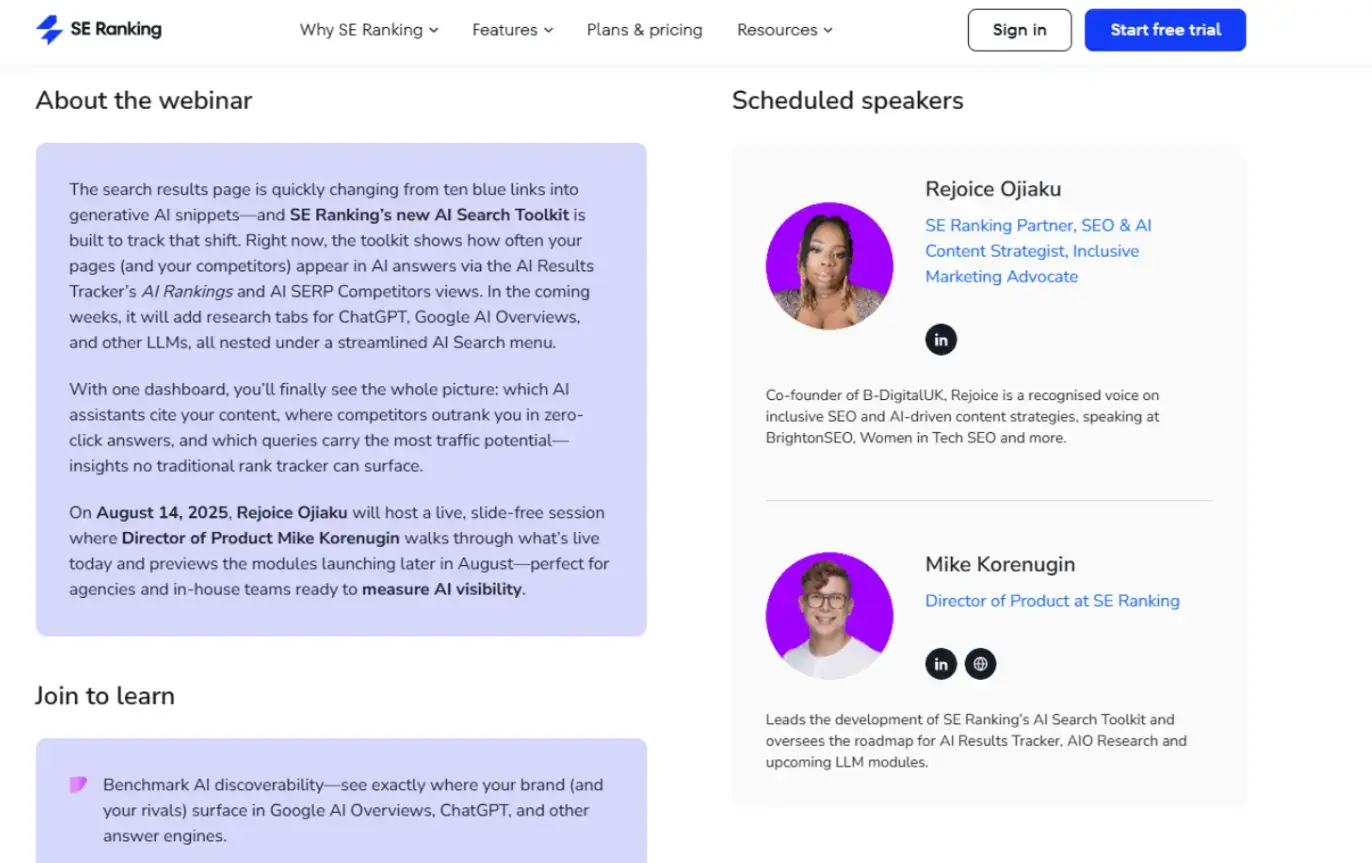
If you are hosting webinars, consider creating a dedicated page with useful links to all the sessions. It can be past and/or upcoming webinars.
As noted by Robin Waite in a recent episode of Podcasting Amplified ‘How To Land Huge Podcast Guest Spots & Skyrocket Your Following’, optimising episode titles and descriptions with relevant keywords can greatly enhance discoverability.
💡"Optimizing episode titles and descriptions with relevant keywords significantly improves discoverability." - Robin Waite, business coach and founder of Fearless Business
Source: SE Ranking
Furthermore, this step offers a genuine opportunity to acquire backlinks to your website consistently.
Since links to your webinars are not limited to YouTube but include your site, virtually any blog site focused on your niche can potentially link back to your webinars.
8. UGC (User-Generated Content) Backlinks
You may have heard that links from social networks are considered "nofollow" links, and that's true.
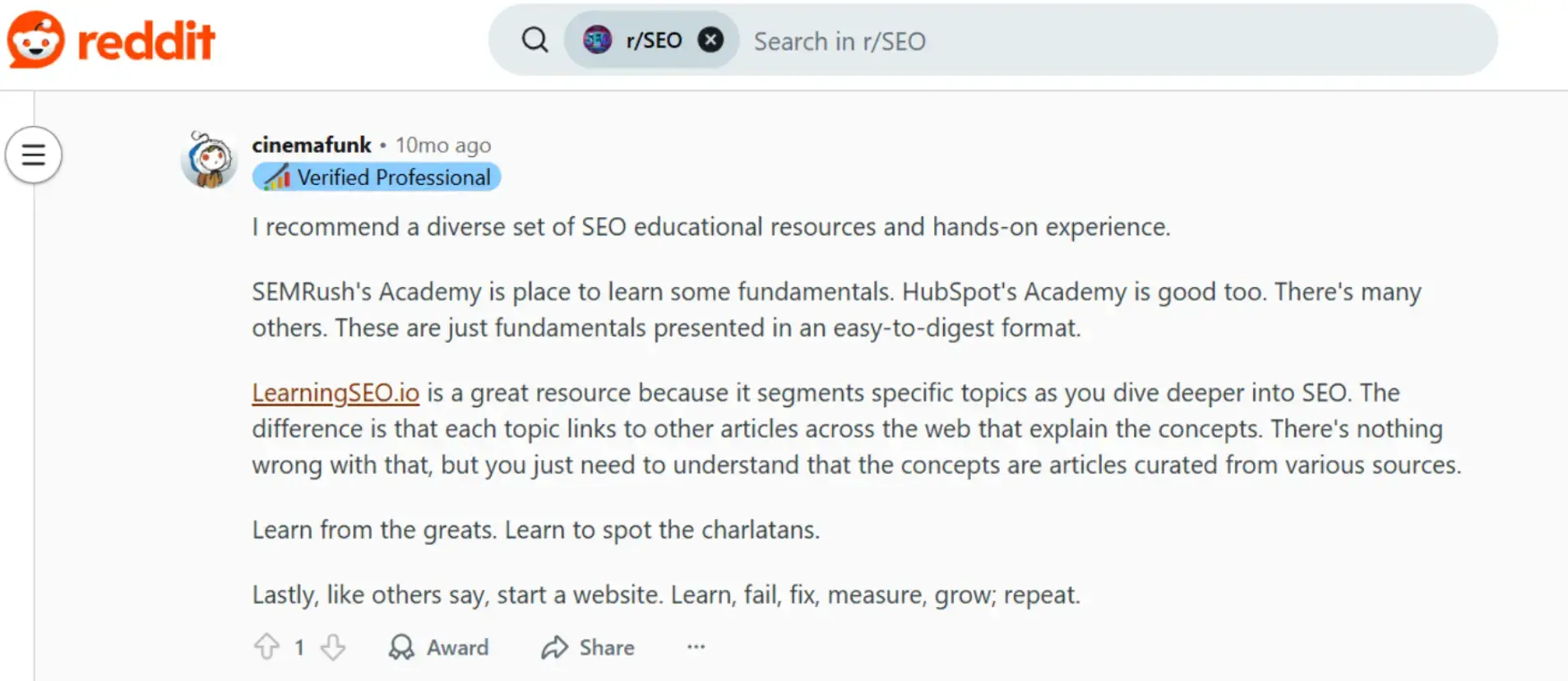
UGC links emerge naturally in forum discussions, social media comments, and Q&A platforms like Quora and Reddit. And smart SEO professionals don't just drop links randomly — they strategically contribute valuable insights in relevant conversations.
The goal isn't just link placement, but building brand authority through genuine, helpful interactions.
Source: Reddit
A pro tip? Focus on providing real value. Answer industry questions, share expertise, and include links that genuinely help solve problems.
9. Image Backlinks
Infographics, original research visualizations, custom charts, or unique photographs — these aren't just pretty pictures.
The strategy is surprisingly simple:
1. First, create original images that solve a visual problem — think header images, infographics, or concept illustrations.
2. Upload your images to platforms like Unsplash, Pixabay, and Pexels.
3. Then, wait. Seriously, patience is your friend here. After 5-6 months, run a reverse image search to find websites using your visuals.
When you find matches, reach out politely. Your script? Something like: "I'm thrilled you found my image helpful. Would you consider adding a credit link?🙂"
The key is originality and value. Anyone can download a stock image, but creating something genuinely useful? That's your ticket to earning those free and powerful backlinks.
Types of Backlinks to Avoid
Now that we've covered examples of correct backlink distribution and proper crediting, those seeking structured guidance may explore The Links Guy Academy and similar link-building courses.
Let’s discuss anti-case scenarios that highlight what not to do.
You may have encountered such anti-case scenarios in your experience, which can further reinforce what practices to avoid.
Here are some key points to remember:
- Avoid spamming. Steer clear of over-optimizing content, using excessive keywords, references, and comment spam.
- Avoid Private Blog Networks (PBNs). This artificial method is well-known to Google and can result in penalties.
- Avoid low-quality backlinks. Ensure that any backlink you place aligns perfectly with the topic; otherwise, you risk facing penalties.
Conclusion
Building a strong backlink profile isn't about quantity — it's about strategic, high-quality connections. Treat your backlink strategy like you're building professional relationships: with authenticity, value, and genuine mutual benefit.
FAQ: Backlink Strategy Best Practices
1. How should I prioritize backlink types for a new website?
It’s important to build different types of backlinks for a new website to create a diverse backlink profile that looks more natural.
2. How many backlinks do I need to rank on Google?
There’s no exact number of backlinks needed to rank on Google, as it depends on niche, competition, and content.
3. Which backlinks matter most for SEO?
The most important backlinks for SEO are relevant, high-authority links from sites with strong organic traffic and low outbound link counts.
4. Do nofollow links help with SEO?
Yes, nofollow links directly help with your SEO and brand awareness.
5. How often should I audit backlinks?
Audit your backlinks every 3–6 months to spot toxic links early and maintain a healthy backlink profile.
