

“Marketing is telling the world you’re a rock star. Content Marketing is showing the world you are one.” – Robert Rose.
As an eCommerce business, it's not hard for you to compete with more prominent players and marketplaces. You must carve a unique brand positioning and create great content that attracts staunch fans and followers.
Doing it consistently and using content marketing to tell a story can help you boost eCommerce sales many times over.
8 Helpful eCommerce Content Strategies and Examples
Ready? Let's go.
1. Focus on audience pain points
You must remember that people are least interested in what you're selling unless you call them over for a free cup of coffee.
But it isn’t feasible to invite thousands of your eCommerce prospects for a complimentary beverage. So why not help them in some way?
Content marketing allows eCommerce business owners to generate audience interest by offering them help. For instance, providing content that solves common skin-related problems makes sense if you sell skin-care products.
- It’s best to incorporate a problem-solving approach to eCommerce content marketing. The ideal way to start is to do keyword research and understand some key audience challenges.
- The next step is to create your ideal customers’ personas and document their challenges, interests, and preferences.
- Then, make sure you create user-intent-focused content.
Take a look at this example from Blume, a famous self-care brand:

Creating valuable content helps you rank your website in search results, drive organic traffic, and generate awareness about your brand.
2. Build an eCommerce content hub
What if you could go one step further and offer everything related to a specific topic in a single place?
The great news is that you can build a content hub to publish blog posts, videos, checklists, social media content, and even host podcasts.
- Create a series of how-to articles and guides that delight your target customers.
- Publish short DIY videos and encourage followers to share your content on social media.
- Buying guides are a terrific addition to your content hub. Such content pieces help the audience make a wise purchase decision.
Here’s an excellent example of a content hub from Soul Insole, a well-known foot care brand.
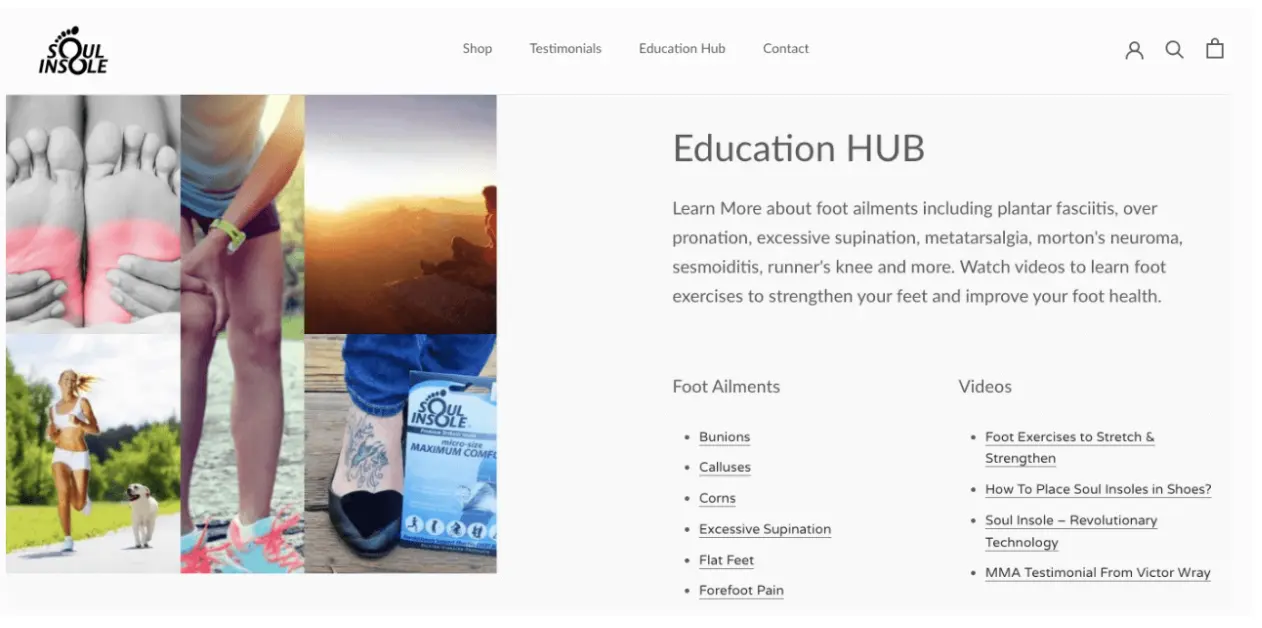
The education hub offers website visitors everything they need to know about foot ailments, including blog posts, videos, and FAQs.
Using POWR’s free media gallery app, you can quickly put different content formats in a block-style gallery with customizable fonts, layouts, and sizing.
With a content hub, you can set yourself up for success by building topical authority that converts into precious organic traffic.
3. Publish interactive content
Wouldn't it be fun to visit a cafe that lets guests brew their own cup? Similarly, content marketing works better when you make it a playful experience.
- For example, you can post social media contests, polls, and quizzes that help your audience learn about the different products you sell. And you can offer an attractive prize to participants who win.
- Giveaways are great for incentivizing potential customers to start interacting with your brand and generate leads for your business.
Look at this offer from Airmid Beauty Secrets, a personal care brand that produces natural products for hair and skin.

4. Decode your products with a glossary
Some product-related words and phrases can be difficult to understand. It may lead your customers to pull out their hair in confusion. Don't worry; creating an eCommerce glossary page helps you kill two birds with one stone.
- First, you can create a dedicated section to demystify these terms and make it easy for your customers.
- Secondly, you can use such content pages to attract valuable search traffic to your website.
Here’s a superb example of a fashion glossary page from Zalora, a clothing e-retailer.
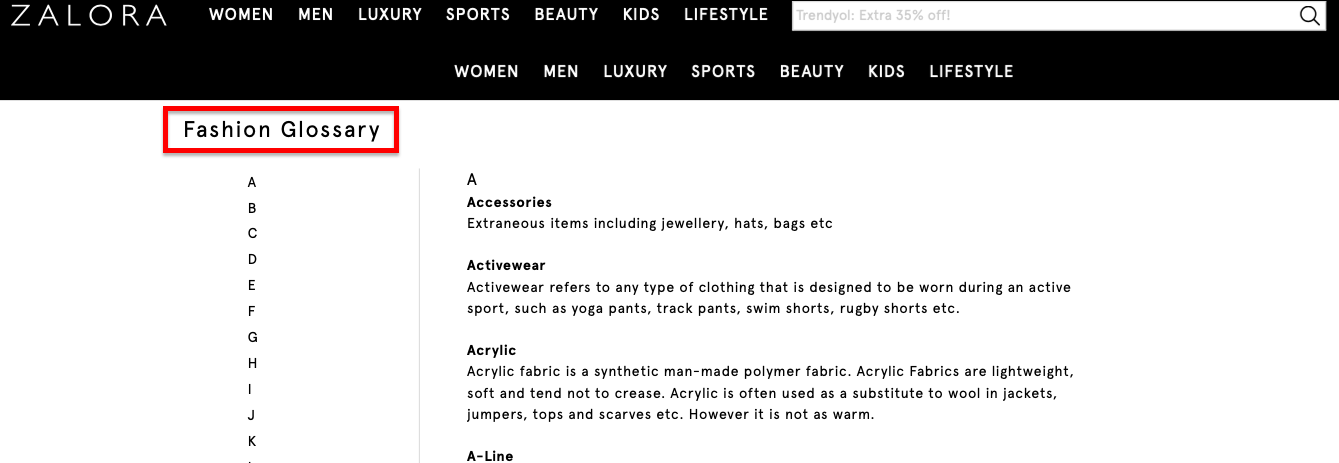
Source: Zalora
5. Showcase product-centric content
Promoting your eCommerce business is about driving those conversions. So how do you do it? Product-related content is a great way to convert decision-stage buyers—people who’re ready to buy but still researching.
- Create content that highlights the many exciting features of your products. Then, experiment with DIY content to display the different ways customers can use those products.
- Build an FAQ section to answer your prospects’ commonly asked questions. Take a look at this example:
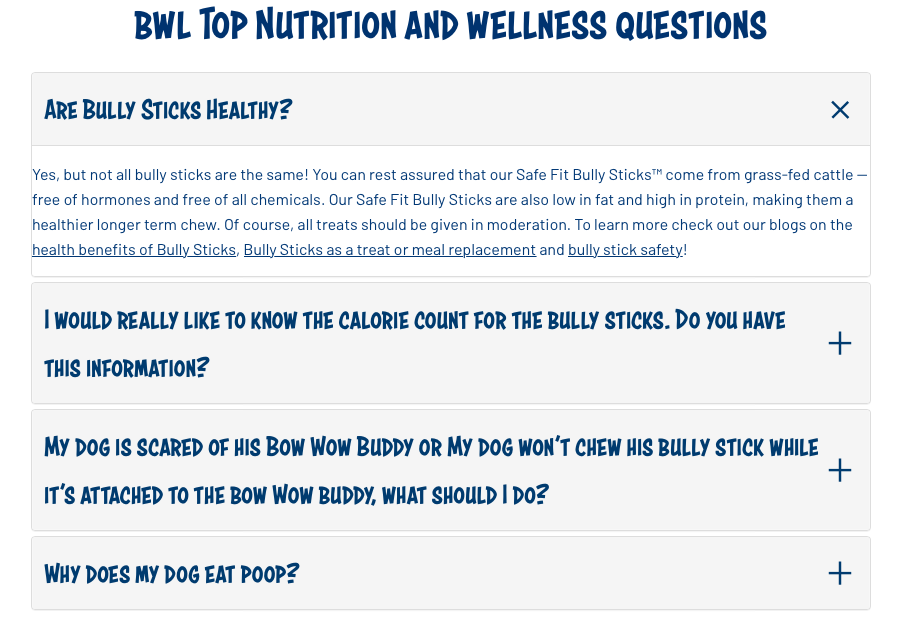
- Yet another terrific strategy is to publish content that gives your readers helpful tips on product maintenance.
- Create a visual that includes your products for more complicated product offerings, like this biotech SEO resource.
6. Keep tabs on the latest trends
Niche-specific and trending content is a sure-shot winner. For instance, publishing blog posts and videos about upcoming and seasonal clothing trends is ideal for an online fashion store.
In such a situation, you need to focus on offering cool ideas on how your audience can look their best.
- Follow niche news websites to know what’s hot in your industry.
- Use Google Trends to discover topics that may interest your target audience.
- Keep an eye on content that does well on social media like Facebook, Instagram, and YouTube.
- Keep tabs on competitive content to learn what’s working for them.
- Remember that every season and occasion offers you the opportunity to produce audience-centric, engaging content.
Here’s an excellent example of a Friendship Day post from Proflowers, an online flower delivery service.

7. Differentiate your content from the competition
Imagine yourself as a prospective customer who can read blog posts and newsletters from five online shops selling similar products. Why would your ideal customer choose your content over others? Make an effort to be unique.
Try to tell stories that other eCommerce shop owners aren’t telling. For instance, you can decide to entertain your audience with a dash of humor and a dose of fun.
Here’s a good example:
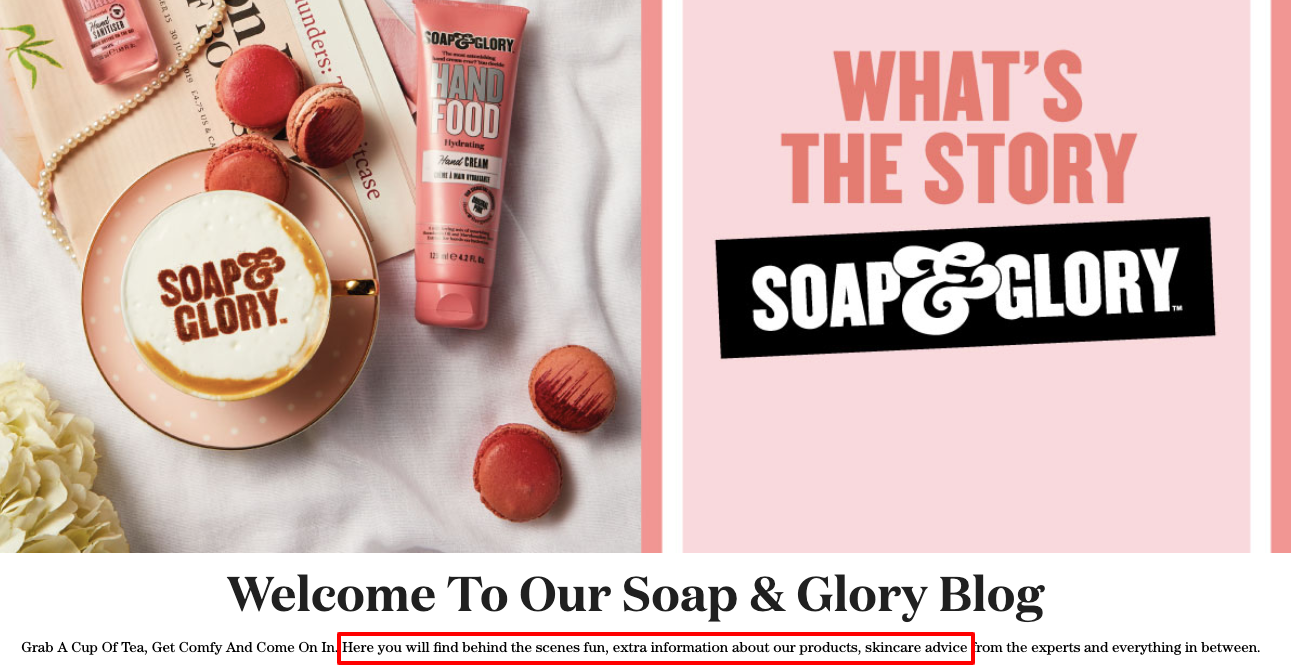
Creating and maintaining a unique content tone strengthens brand recall and helps improve your content conversion rate.
8. Publish social media content
Here is the thing. Successful eCommerce content marketing is about going social.
Social media is where most of the action takes place. Instagram is one platform where content creators post Instagram Reels and Stories by the dozen. Also, many of these videos get decent traction.
- As an eCommerce marketer, you can use social media platforms to publish helpful and entertaining snackable content for your followers.
- You must also promote your website content on these essential online marketing platforms.
- Lastly, you can collaborate with social media influencers to discuss or review products in their upcoming content pieces.
Here’s an excellent example of influencer collaboration by Debenhams:

Final Thoughts
ECommerce content marketing is about offering your audience content that they can enjoy. You need to hook prospects with exciting stories and get them to engage with your branded content.
Work on creating value-driven infotainment that solves problems and builds a deeper emotional connection with prospective customers.
FAQs
1. Why is content marketing important for eCommerce brands?
Content marketing helps eCommerce brands attract potential customers by offering useful, engaging, and relevant information rather than just promoting products. It builds trust, improves brand awareness, and supports long-term traffic and sales growth.
2. What type of content works best for an online store?
The best content depends on your audience, but strong options include how-to articles, buying guides, FAQs, social media content, videos, glossaries, and product education content. The most effective content usually solves problems or helps customers make purchase decisions.
3. How can eCommerce businesses make their content stand out?
They can stand out by focusing on audience pain points, using a unique brand voice, publishing interactive content, following relevant trends, and creating content that competitors aren't creating. Original storytelling and clear value are what make content memorable.
4. How does social media support eCommerce content marketing?
Social media helps distribute content, increase visibility, encourage engagement, and connect brands with new audiences. It also gives eCommerce businesses a place to share short-form content, promote website resources, and collaborate with influencers to expand reach.

Author Bio
Abhishek Talreja is a seasoned international ghostwriter, content strategist, and columnist. Abhishek has been published on MarketingProfs, AllBusiness, Techinasia, Sitepoint, and more. He is the founder of Prolific Content Marketing.