

You’re likely to be familiar with artificial intelligence (AI), but are you utilising it within your e-commerce business?
The recent rise in AI has impacted every industry, and one in six UK organisations has now embraced at least one AI technology.
This is expected to continue increasing, so if you fail to keep up with changing trends, your business could fall behind.
Many smaller brands make the mistake of thinking AI technology is only accessible to large-scale businesses, but this is definitely not the case.
There are various ways to implement it into daily operations to save time and increase productivity. Employees using AI save an average of 7.5 hours per week, the equivalent of a whole workday.
To give you some inspiration on how to maximise your team's productivity, let's discuss five ways you can introduce AI into your e-commerce business to transform your 2026 strategy.
1. AI Customer Assistants for Faster, Scalable Support
Customer support is always a top priority for e-commerce businesses, yet it consumes a lot of your employees' time.
When chunks of time are spent responding to customer queries, it takes their attention away from other duties and keeps adding to their workload.
AI customer assistants have been around for some time, but are now becoming more advanced. You can now train AI assistants to resolve customer issues and provide personalised responses to common issue questions such as product queries, delivery information, and complaints.
Utilising AI customer assistants not only gives consumers quick responses but also frees up your employees to focus elsewhere, without the stress of staying on top of emails.
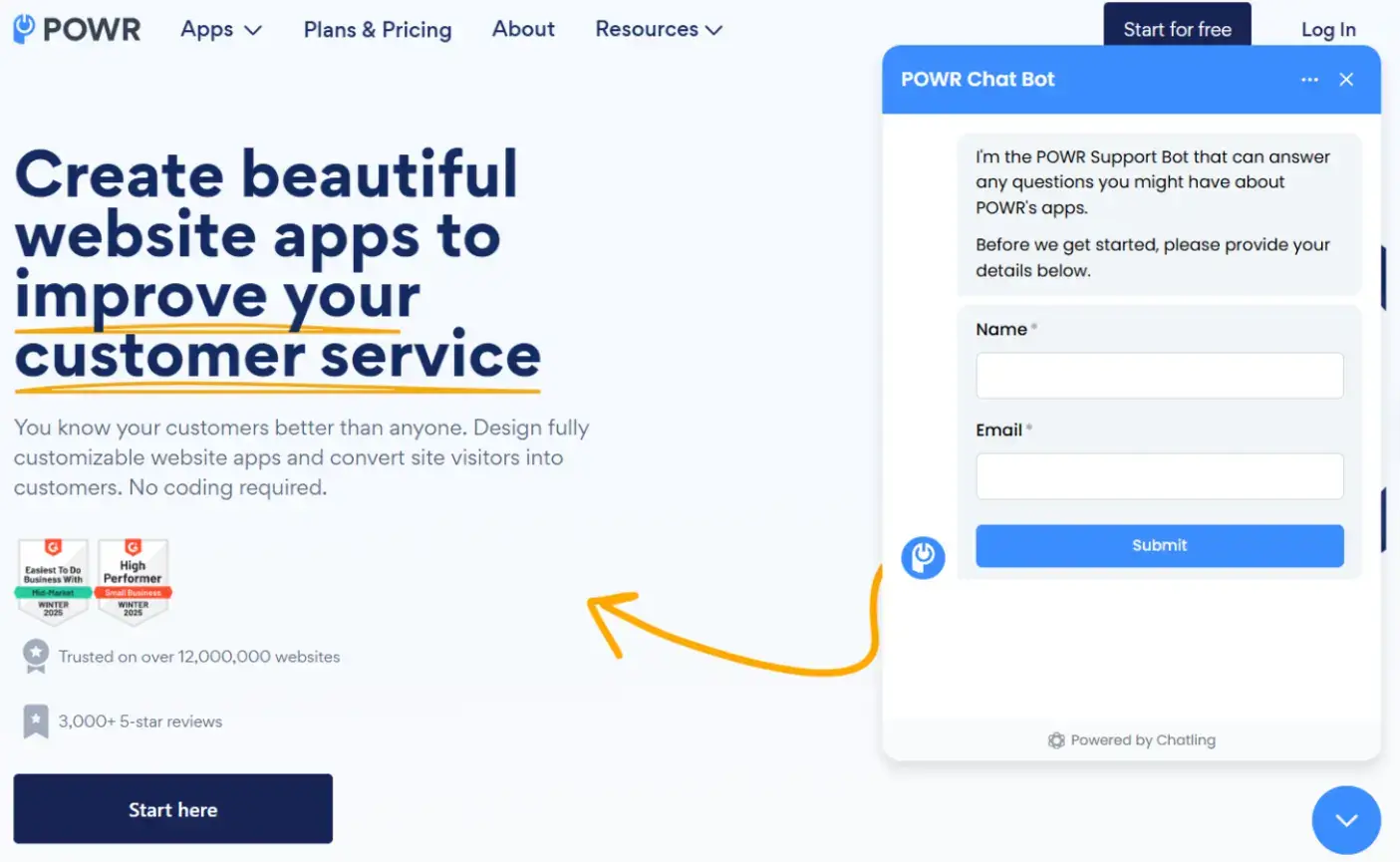
Source: POWR
2. Simplified Team Admin With AI Automation
Ongoing team admin requires a lot of hours each week and can take your efforts away from growing your business.
Tasks such as scheduling employee rotas, managing leave, and training new starters all need to be done, but AI can help.
Using AI-powered tools like customer service AI Agent to automate ongoing processes helps take some of the pressure off your team, allowing productivity to improve elsewhere in the business.
PeopleHR Evo is a popular example of software designed to streamline people-focused workflows and free up time.
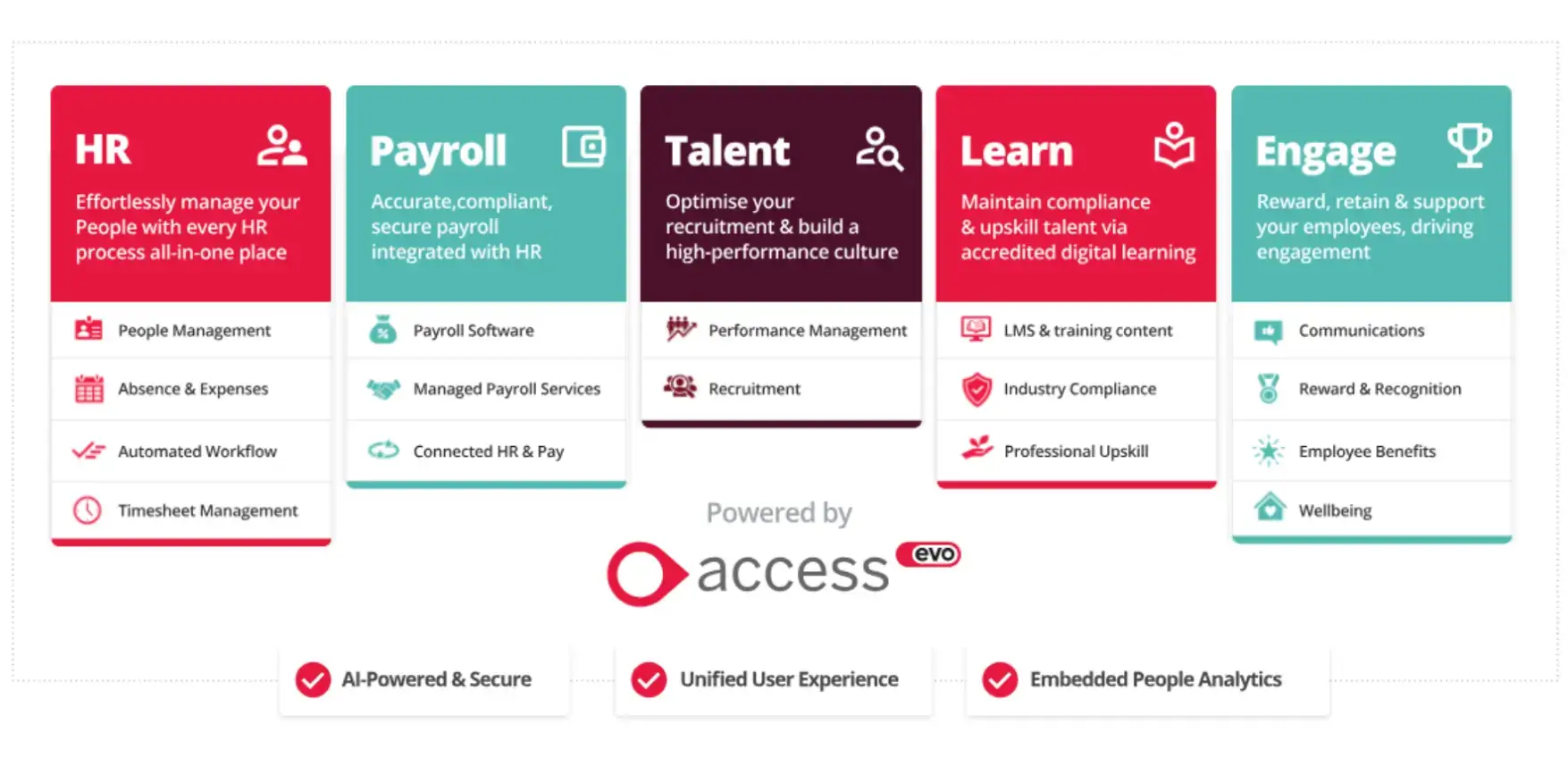
Source: PeopleHR Evo
3. AI-Powered Sales Performance and Reporting
As an e-commerce business, your sales figures provide invaluable insights into the performance of your online store.
You have large quantities of data at your fingertips, but how you use it will determine how much you utilise your growth potential.
Instead of hiring somebody to spend hours crawling through the figures and interpreting the data, AI systems can help make data-driven decisions in seconds.
It can use algorithms that identify patterns and predict future trends based on how your store has been performing.
If you have a sales team, generating reports to track their performance will also provide useful insights. Being able to see what is working well, what isn’t, and who needs additional support can help you improve their potential and increase their outputs.
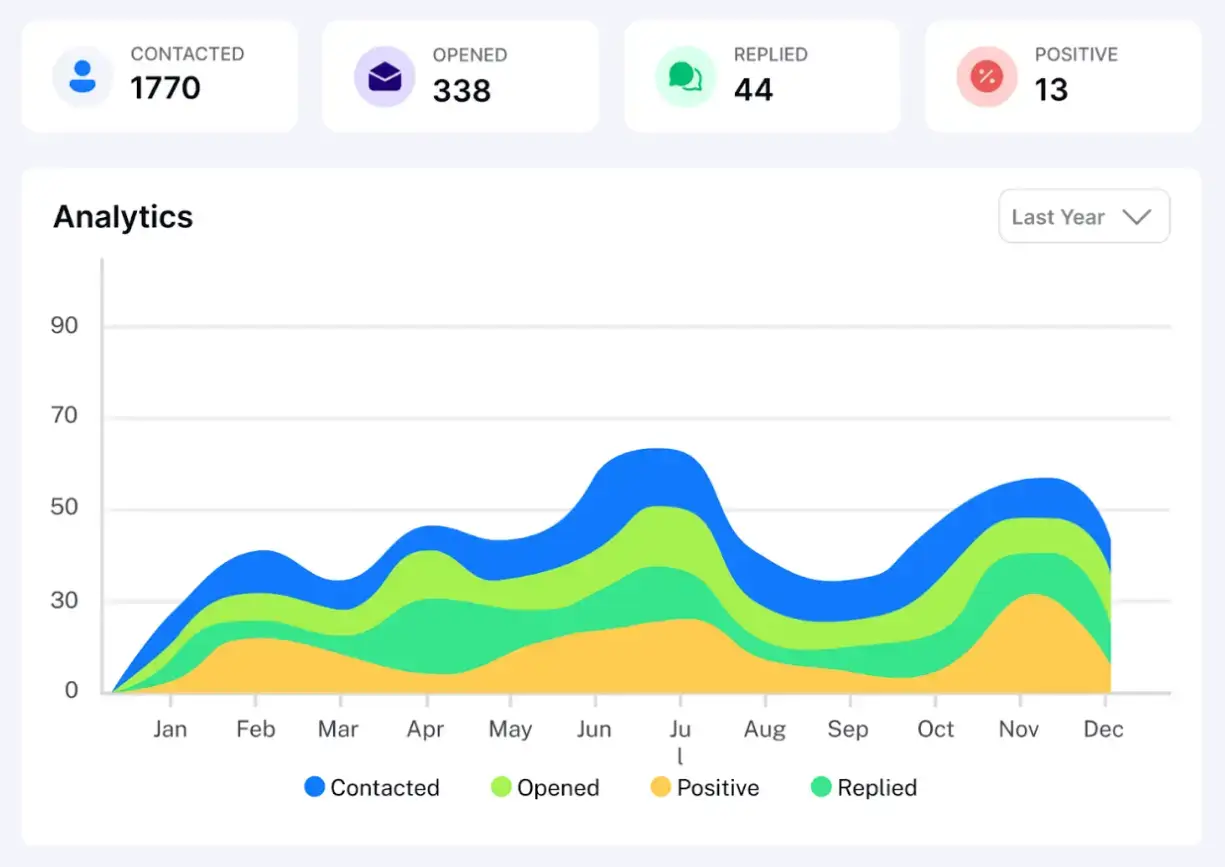
Source: Instantly
4. Automated Product Descriptions at Scale
If you are regularly uploading new products, writing up descriptions for the listings is incredibly time-consuming.
Having to consult various sources for technical details, create engaging content, and ensure it is able to capture organic search traffic is not a quick job when done manually.
There are AI tools that can create product descriptions in seconds, boosting productivity and helping get new product launches live as soon as possible.
Each product description will be written to highlight key features while maintaining your brand’s tone of voice.
Using this approach to improve your content experience is much more effective than having basic product descriptions or copying and pasting content from similar products, as these tactics can hinder search engine performance and affect rankings.
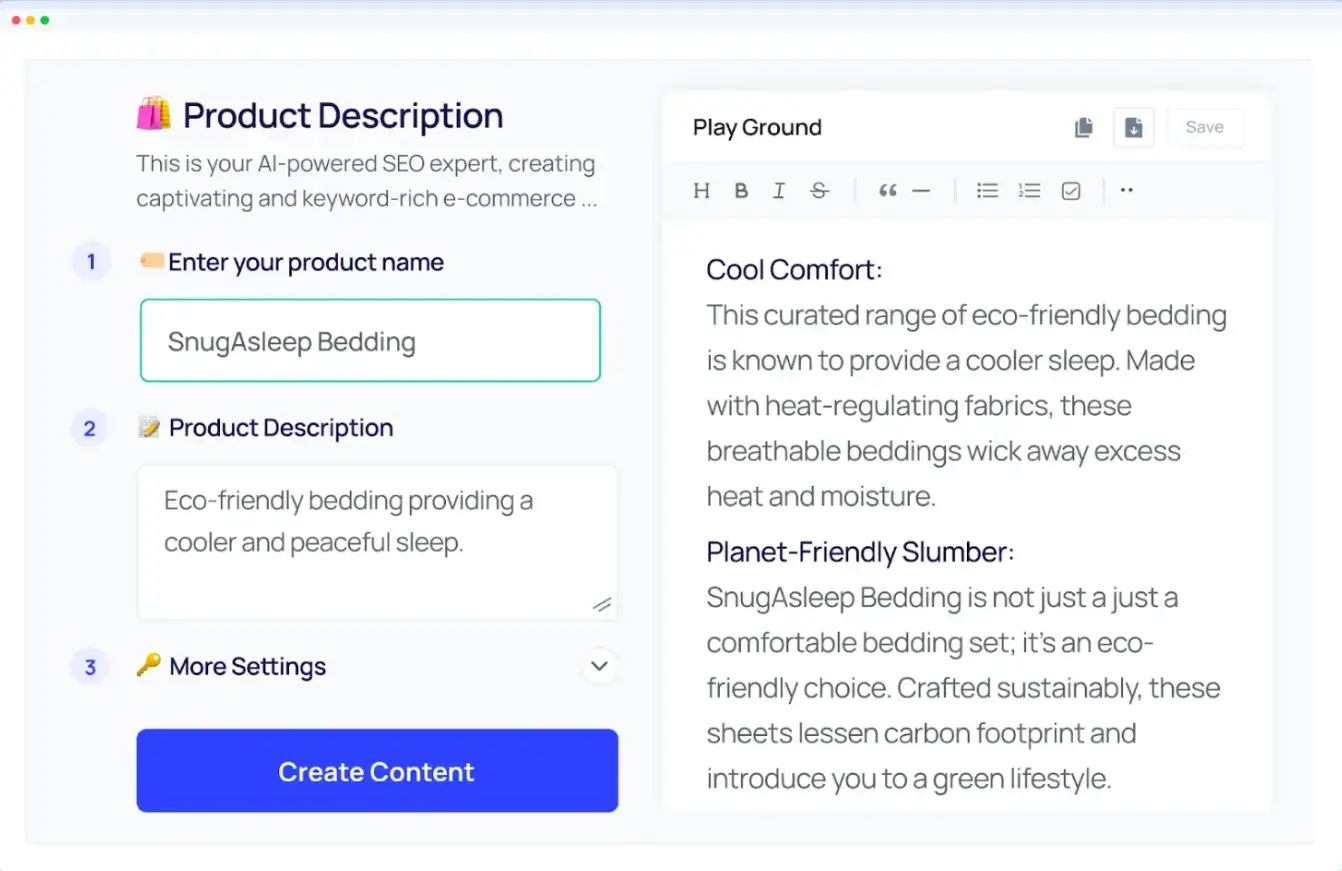
Source: GravityWrite
5. AI Image and Graphic Creation for E-Commerce Stores
The visuals are a huge factor in your online store.
If shoppers are greeted with high-quality product shots and lifestyle imagery, they are much more likely to get drawn in and make a purchase.
In addition to writing product descriptions, AI can create enhanced product imagery. Especially useful for smaller e-commerce businesses with limited resources, simple product photography can be transformed into lifestyle visuals, marketing content, or website banners with just a few clicks.
For your employees, being able to experiment with different visuals and try new designs will help them fine-tune their strategy and create a more engaging browsing experience for shoppers.

Source: Fotographer
Using AI to Grow Your E-Commerce Business in 2026
If you’ve been reluctant to introduce AI into your business, it’s time to make changes and understand just how beneficial it can be to the growth of your online store.
Starting with small steps, such as using an AI customer assistant or improving your product descriptions, can still have a huge impact on the everyday running of your business.
By taking the pressure off your employees and freeing up hours of their time each week, you can help them focus on the duties that will improve your business's success.
Frequently Asked Questions About AI for E-Commerce Teams
Is AI affordable for small e-commerce businesses?
There are so many AI tools available that offer solutions for businesses of different sizes. For smaller firms, subscriptions are accessible, and they mean you no longer need to outsource tasks or hire new employees. The time you will save also provides a strong return on investment, since employee time can now be spent on the jobs that actually require their skills.
How can AI make my team more productive?
Many employees spend hours every day on admin tasks that could be automated with AI tools. By freeing up this time, your employees can focus on work that accelerates business growth.
Should my e-commerce business be using AI?
Although there is no one-size-fits-all solution, many e-commerce businesses see significant benefits from integrating AI into their operations. Whether this be through automating admin tasks, producing written content, or generating sales reports, these outputs can help you create a more successful business and maximise your growth potential.

Author Bio
Heather Langley is a content writer at Solvid with a strong background in marketing. With years of experience helping brands elevate their online presence, she now focuses on writing about the latest digital trends, best web practices, and industry insights.