

Whoever said digital marketing was an easy job hasn’t been acquainted with the challenges digital marketers will face in 2024.
As a company that works with multiple digital marketers (as well as solo entrepreneurs who serve as hands-on digital marketers) daily, we know a thing or two from our interactions.
Based on those, here are the top five challenges we’ve singled out (as well as how to overcome them)!
Challenge #1: Creating Interesting Content in the Age of AI
A recent study by Semrush found that more than 50% of companies don’t allocate any budget to producing long-form content in the age of AI.
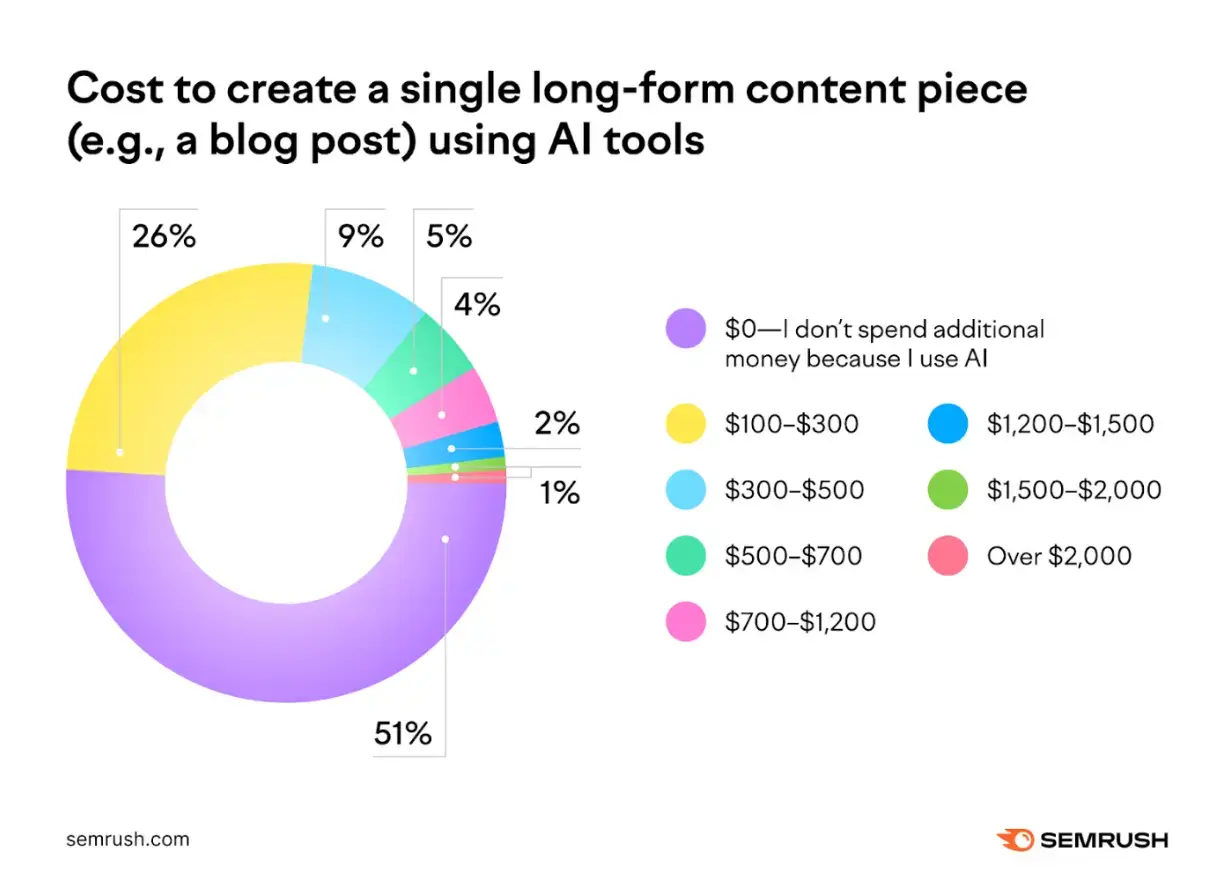
Source: Semrush
Unsurprisingly, the rise of AI has brought two major challenges for marketers:
- The challenge is convincing company heads to allocate marketing budgets to create content that stands out.
- The challenge of creating interesting content in the age of AI is to make people stop and read.
How to overcome it?
Many experts suggest adopting AI in your content creation method (to improve the result), but not completely relying on it.
For example, here, Godrej Properties uses AI to show its amenities:
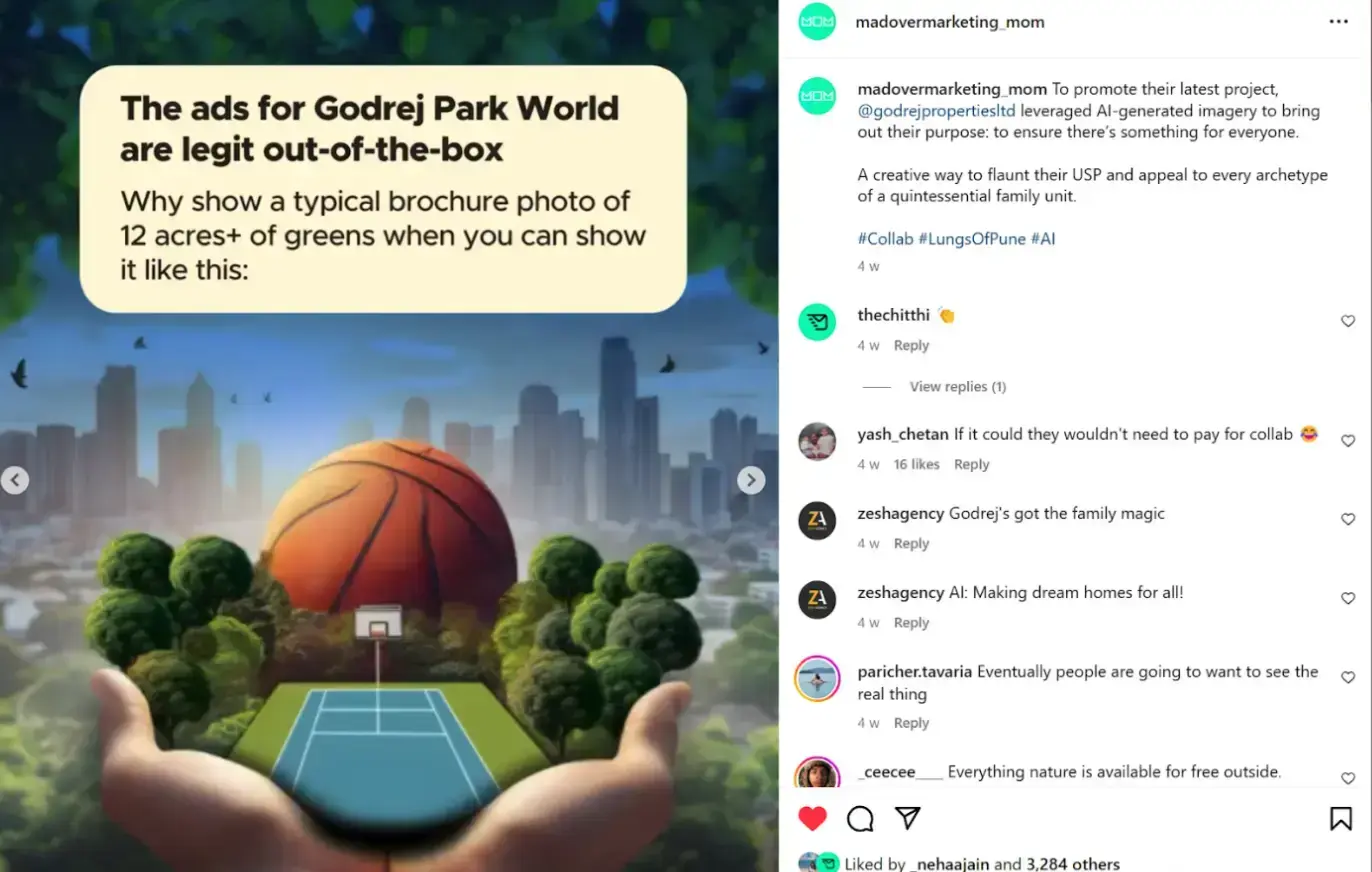
Source: Instagram
Also, experiment with content formats in your marketing that AI can’t replicate (e.g., thought leadership content or content with subject-matter expert input).
As for convincing company heads, a quick side-by-side comparison of AI-generated posts vs. human-generated posts should suffice. (Or you can even use the experiment Hotjar did 🙂)
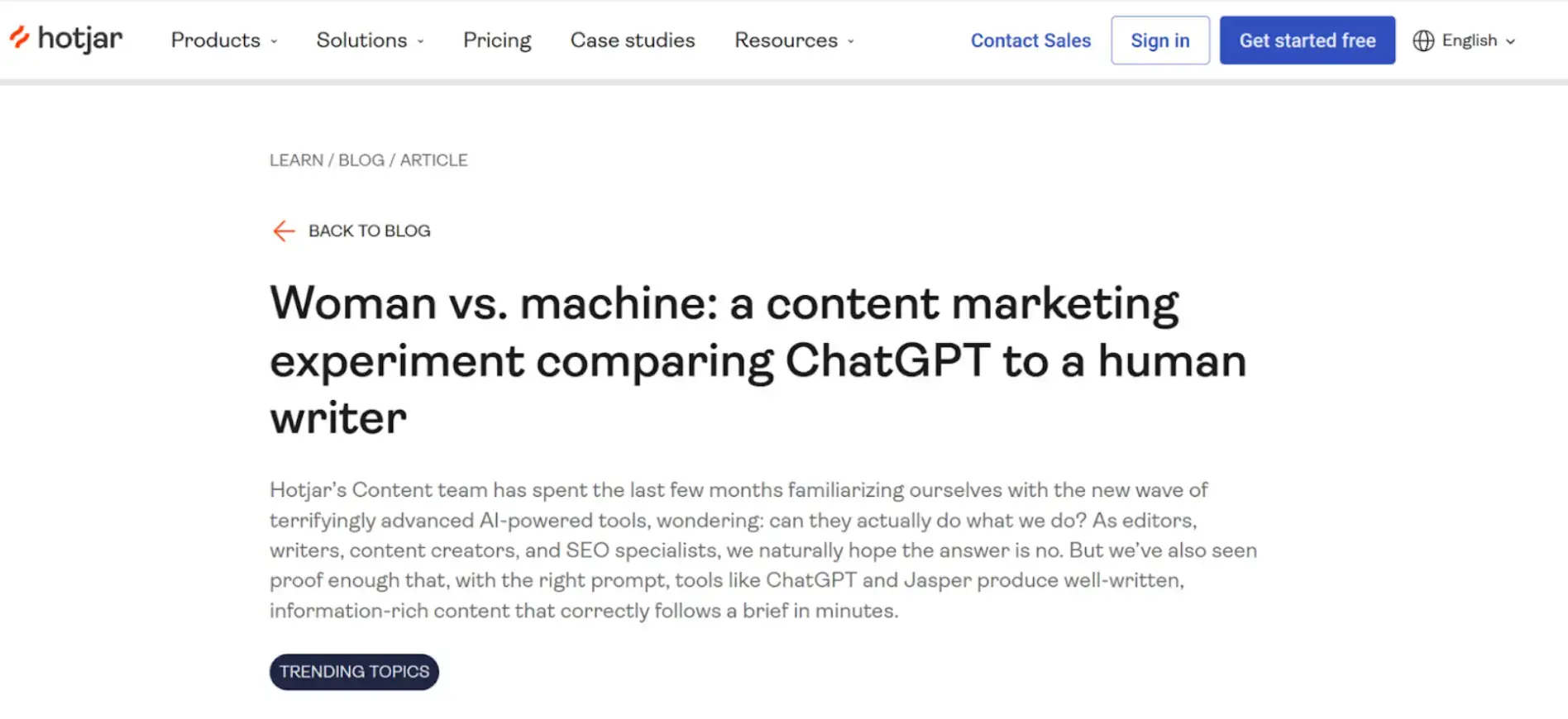
Source: Hotjar
Challenge #2: Keeping Up with the Changing Algorithms
Almost every software is changing its algorithm weekly.
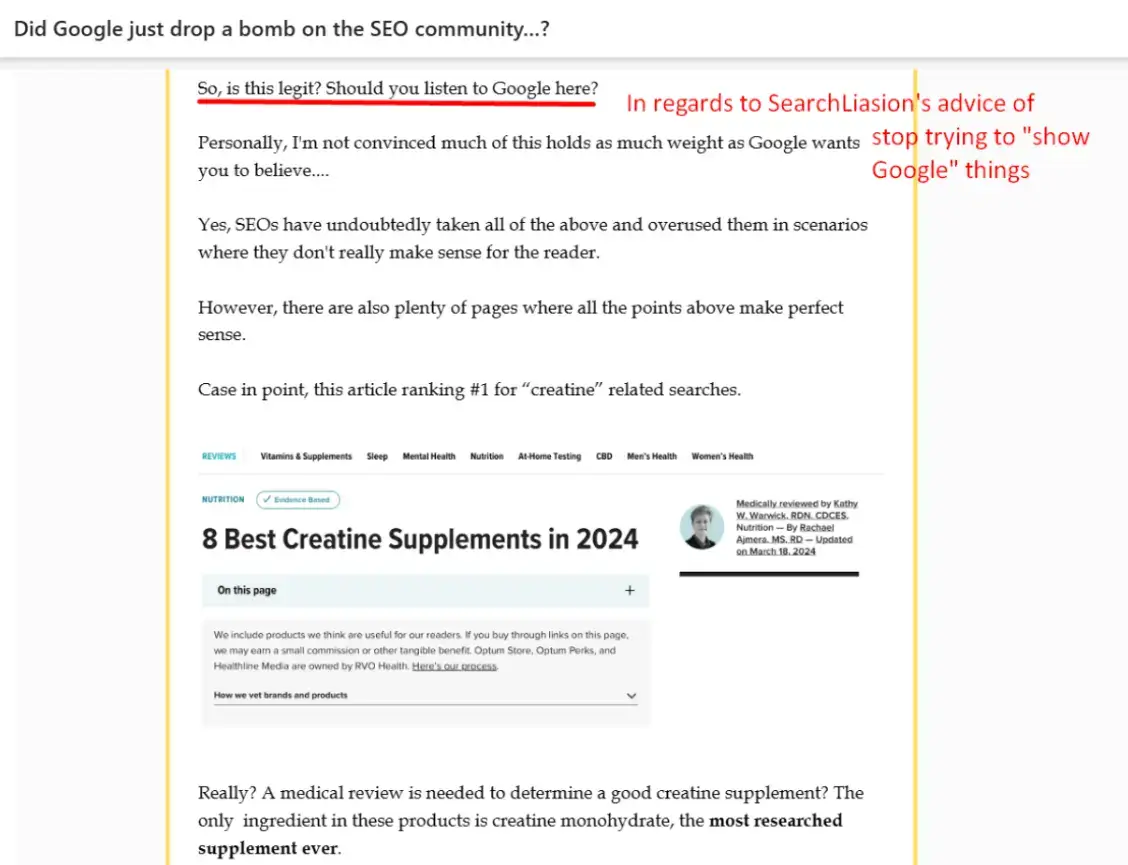
For example, Google Search Liaison posts a lot of information about what Google wants to see, but the algorithm often doesn’t support the changes they suggest.
How to overcome it?
Keep up with the experts — and that’s about it. Select an expert for each platform whose opinion you trust and who’ll keep you updated on changes.
For example, Annie Mai is an expert who regularly shares information on social media updates and algorithms.
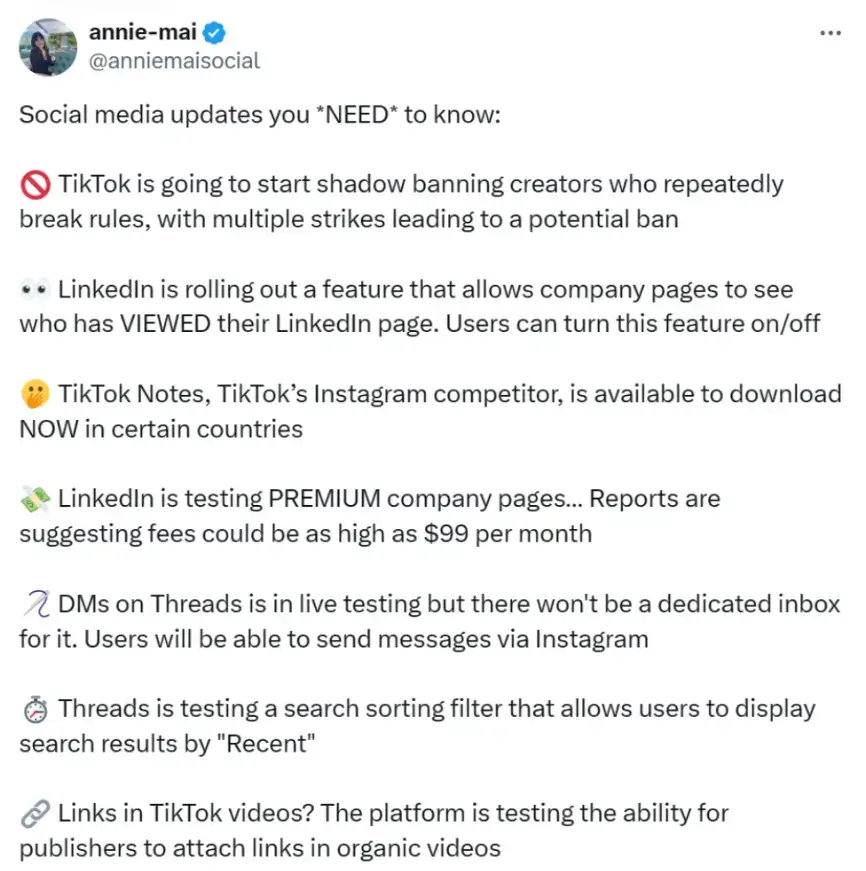
Source: Twitter
Jeremy Moser is another expert. In his newspaper, SEO Power Plays, he shares Google algorithm updates (as well as his thoughts on these updates and how they can impact search engines and rankings).
Source: SEO Power Plays
Challenge #3: Market Saturation
One of the modern-day challenges digital marketing virtual assistants face is promoting niche products such as Delta-10 gummies in a market saturated with wellness and recreational alternatives.
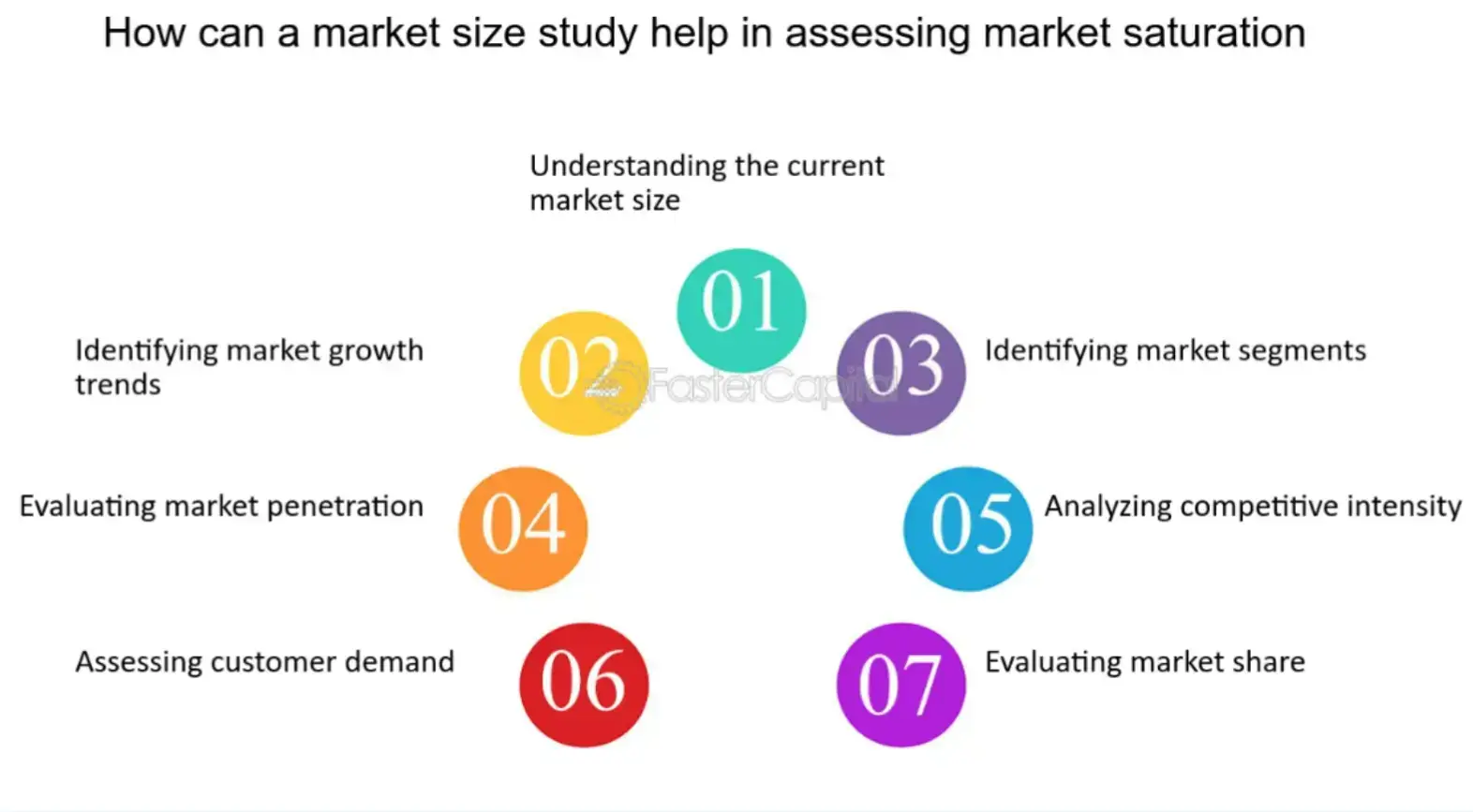
Source: FasterCapital
How to overcome it?
To stand out, marketers must leverage data-driven insights to tailor their campaigns, ensuring they resonate with the target audience’s preferences and behaviors.
Additionally, staying abreast of the ever-evolving legal landscape, including regulations like the Digital Markets Act (DMA), is crucial to avoid regulatory pitfalls.
By adopting an agile marketing strategy that emphasizes education and transparency, marketers can build trust and authority in the niche, turning challenges into opportunities for growth.
Challenge #4: Engaging with a Fragmented Audience
Another issue for many marketers is managing target audience segments and dozens of buyer personas, especially if they work for ecommerce companies or larger brands serving diverse audiences.
The fragments usually result in further challenges, like not being able to:
- Get a pulse on audience sentiments or demographics
- Allocate resources effectively
- Make data-driven decisions
- Personalize content
How to overcome it?
Rather than investing your time and energy on nearly every platform, our main advice is to choose a few marketing channels that work best for you and stick with them.
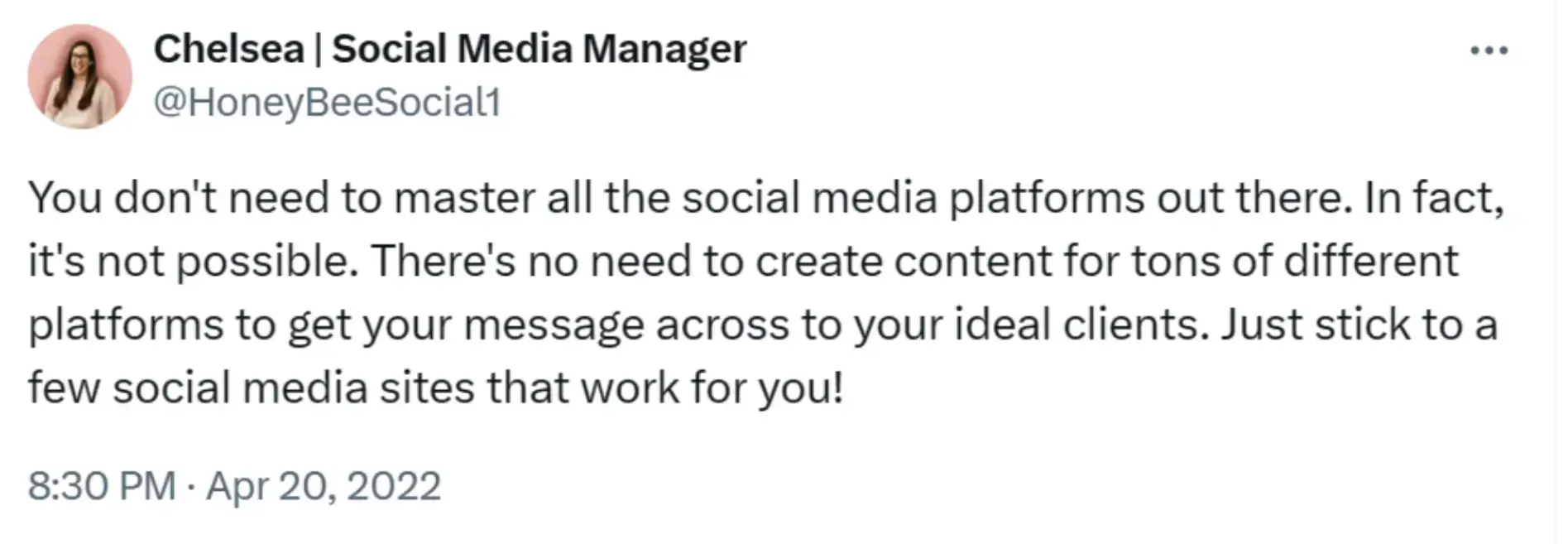
Source: X
Alternatively, if you wish to be on multiple social media channels, consider distributing and repurposing content.
For example, a podcast can become a blog post or a social media post — and all you’ll have to do is edit the transcript for both formats to ensure platform compatibility.
For resources, you can check out Ross Simmonds’s Create Once, Distribute Forever book, in which he shares his insights on how to use the same content on different social media platforms to get the audience’s attention.
Challenge #5: Dealing with Information Overload
Last but not least, one of the bigger challenges for digital marketers is dealing with an audience that has a severe case of information overload (primarily because they are online and therefore exposed to many marketing messages and ads in a limited time window).
How to overcome it?
Here are a few practices that’ll help you beat this challenge:
- Focus more on providing value to your audience and less on selling to them (i.e., if you promote your product/service once after giving them genuine advice ten times, they’d be more likely to buy it).
- Reduce the cadence of your communication — you don’t need to schedule three posts a day when your audience can be just as happy with three posts a week. Tap into Google Analytics to find your sweet spot.
- Provide additional clarity by showcasing visuals and graphics. For example, when Codeless (a content marketing agency) educates its audience about new marketing concepts, it always pairs them with a few diagrams and images.
- Send a direct mail piece so recipients engage with marketing messages when they are ready, rather than immediately, which can lead to information overload.
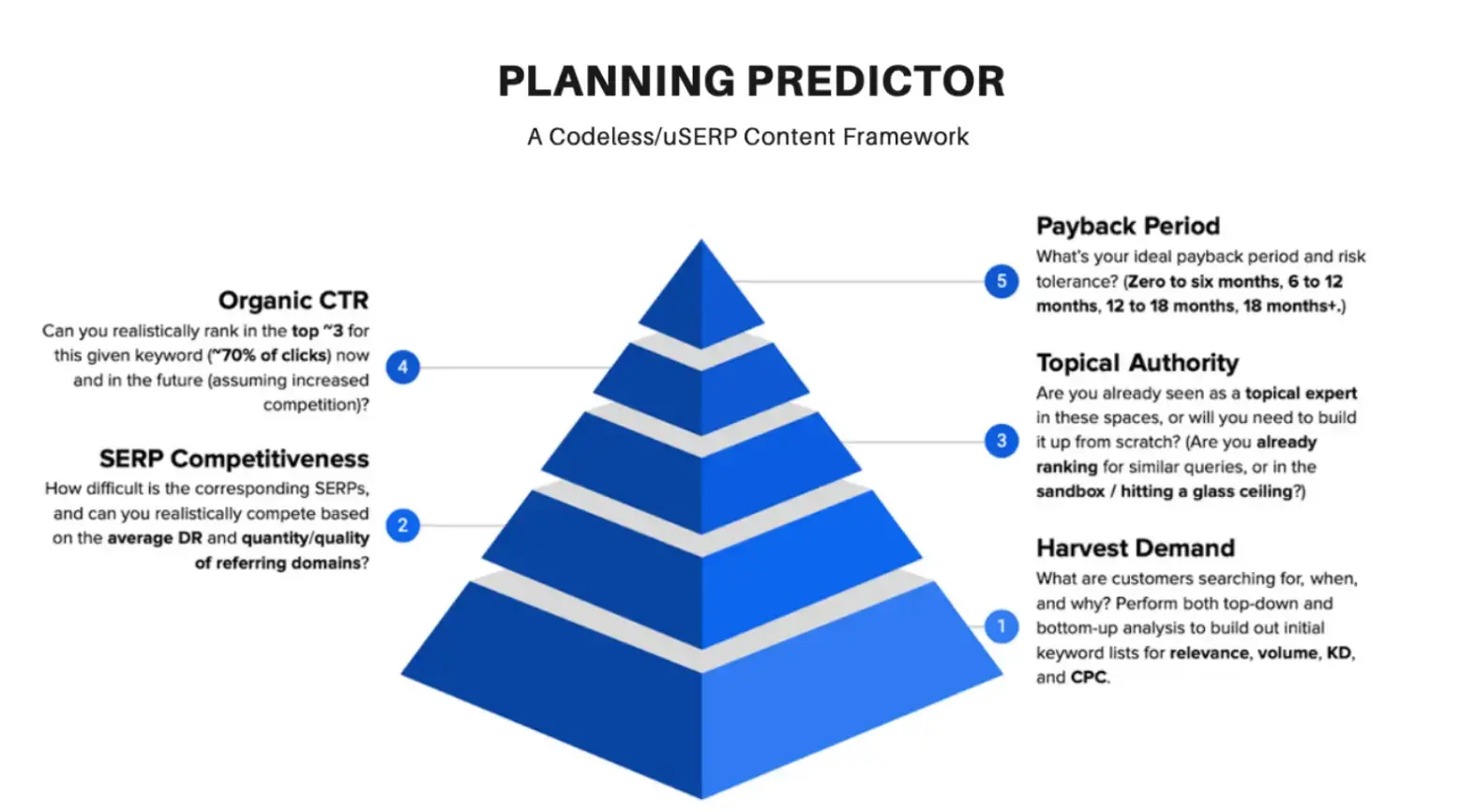
Source: Codeless
Engage with Your Audiences Through POWR
The primary challenge in marketing strategy is getting your audience to engage with you and ultimately buy from you.
And getting your audiences to engage with you is one thing we specialize in. We do this by helping your marketing team create website apps (e.g., forms, social feeds, pop-ups, countdown timers) to meet different needs.
To get started, sign up for free and leverage our services to help streamline all your marketing activities and improve customer relationships.
The only constant in modern marketing is change. You must adapt to keep up!
Frequently Asked Questions
1. What are the biggest digital marketing challenges in 2024?
The five biggest challenges covered here are: creating interesting content in the age of AI, keeping up with constantly changing algorithms, standing out in saturated markets, engaging fragmented audiences across channels, and overcoming information overload.
2. How can marketers create content that stands out when AI is everywhere?
Use AI as support, not a substitute. Pair AI efficiency with human originality—like thought leadership, subject-matter expert input, real case studies, and strong opinions backed by experience or data.
3. What’s the best way to keep up with algorithm changes without getting overwhelmed?
Follow a small set of trusted experts for each platform (search, social, email, etc.) and treat updates as experiments. Test changes in controlled ways and double down only when you see measurable results.
4. How do you market effectively in a saturated niche?
Differentiate through positioning: focus on a clear target audience, emphasize education and transparency, use data-driven insights to tailor messaging, and build authority over time with consistent value.
5. How can brands cut through information overload and still earn attention?
Reduce frequency, increase usefulness, and rely more on clarity (visuals, frameworks, examples). Prioritize helping over selling, and diversify formats so customers can engage on their own terms.

Author Bio
Mike Bandar is an award-winning UK-based entrepreneur. A Founding Partner of Turn Partners, the startup studio focused on the acquisition, turnaround or creation of digital businesses. Through Turn Partners, Mike co-founded Hopper HQ, an Instagram planning and scheduling tool that works with thousands of influencers, brands, and agencies worldwide.
