
Here’s a reality check: most first-time visitors to your e-commerce website aren’t ready to buy from your business.
As a matter of fact, you can only manage to sell to barely 4% of them. It takes some relationship-building on your part to get the majority to convert.
That’s why acquiring their email addresses to build an email list is key. With email marketing, you can stay connected with them and guide them down the sales funnel.
But no one will hand over their contact information without a good reason. This is why you must present site visitors with an irresistible offer.
In today’s guide, you’ll learn six powerful lead magnet ideas you can use for your online store. Let’s jump right in!
In this article:
- Discount Coupons
- Product Guides
- Webinars
- Online Courses
- Contests
- Quizzes
1. Discount Coupons
Who doesn't love a good deal? It's no surprise that people are willing to share their emails in exchange for a tempting discount on a product they’re interested in.
In the end, you might not just gain their contact information but also secure a sale. Make sure, though, that you place the discount coupons where they are impossible to miss.
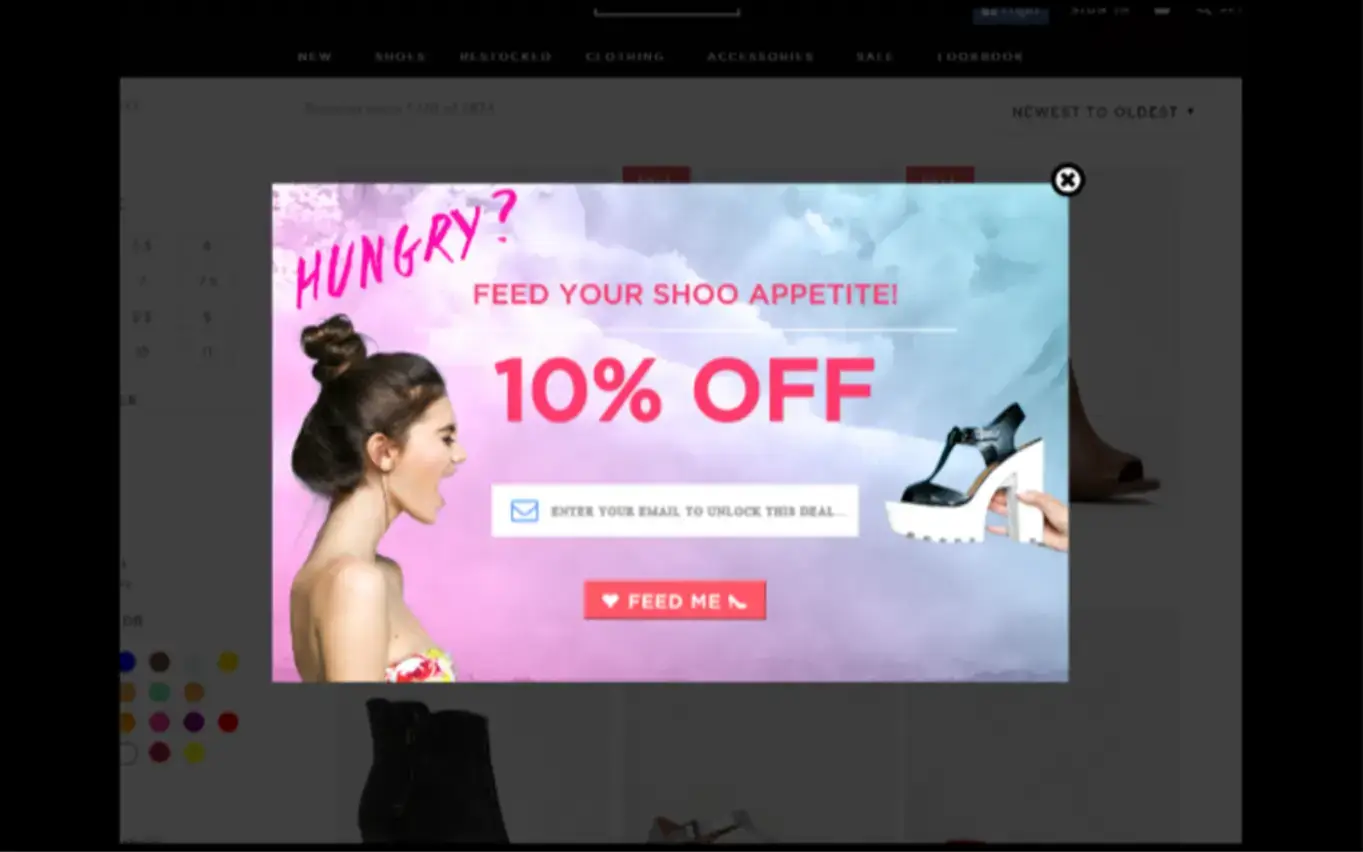
For example, you can embed a simple banner containing the offer on your homepage. Alternatively, use an exit-intent pop-up that appears when the target customer is about to leave your website.
ZooShoo used this strategy to gain 5000 extra subscribers, with over 1100 buying from them later.
Source: https://cdn-sales.optimonk.com/wp-content/uploads/pop-up-case-study-03-1024x643.png

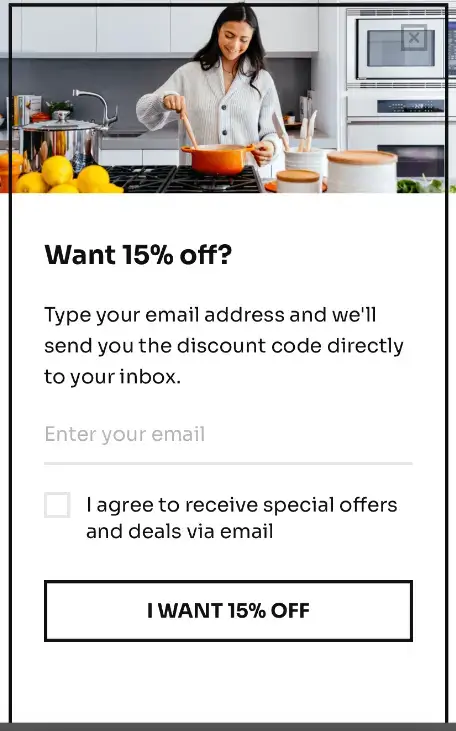
Your coupon copy and call to action matter, too. Both should be crystal clear about the action you want visitors to take, with the discount percentage standing out:
Source: https://getsitecontrol.com/p/0e8y22d6
While discounts can be powerful, it’s important to take precautions before running the campaign because they can easily hurt your profit margins.
So, analyze your sales data, including average order value, per-customer purchase frequency, and average net margin. This analysis helps you determine how much you can let go of from your first purchases without harming your profit.
Set a reasonable percentage-based discount or a dollar-value discount based on these metrics.
2. Product Guides
A product guide gives potential leads comprehensive information related to a product or a range of products. This type of content can take various forms, such as recipes, how-to guides, or video tutorials.
The primary goal is to share educational or informational content. But the content needs to be related to your industry and product offerings.
That’s the only way your ideal customers will share their email address to access it.
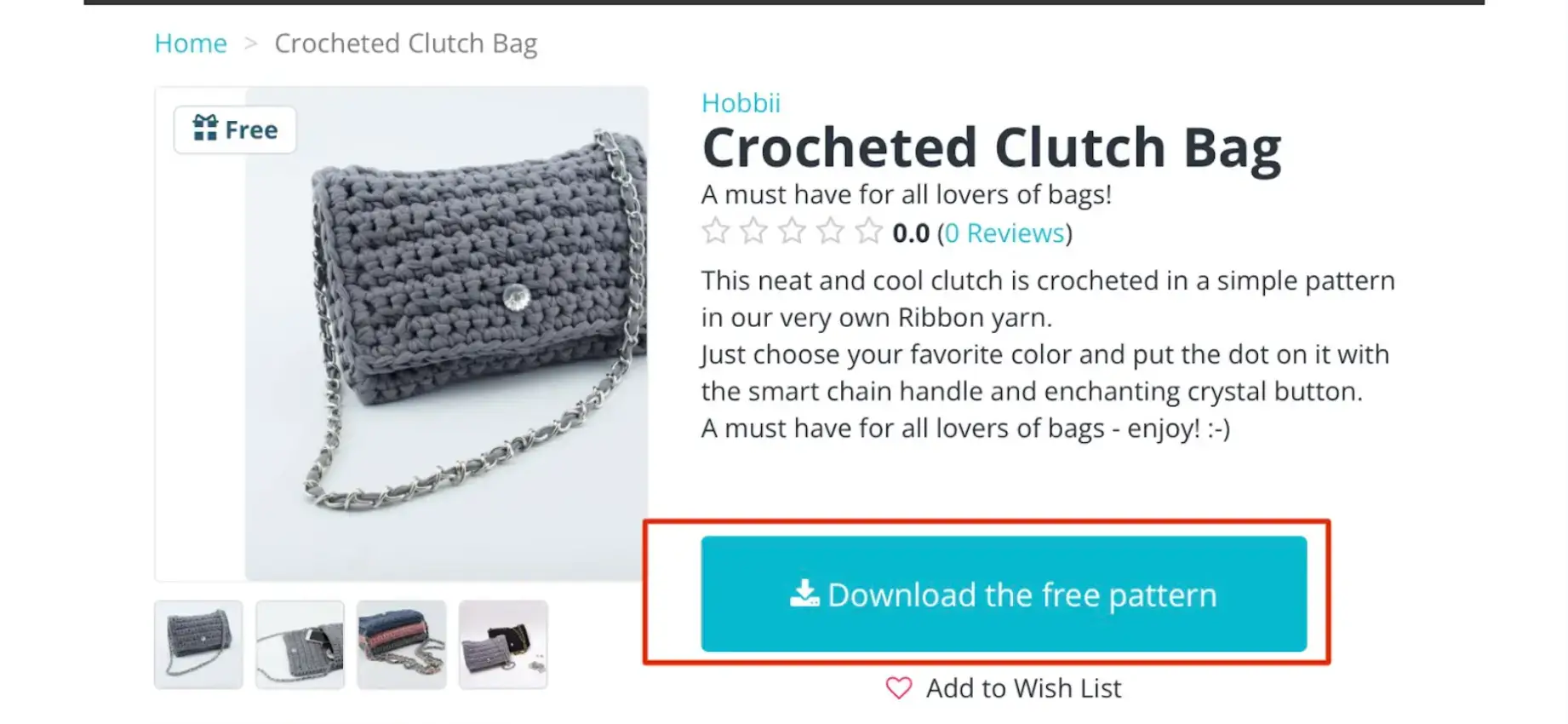
Take Hobbii, a Danish yarn eCommerce website, for example. They offered a guide covering the various things you can create with yarn — their primary product — as their lead magnet:
Source: https://hobbii.com/crocheted-clutch
Naturally, crocheting and yarn enthusiasts—also Hobbii’s ideal customers—would be interested in the product guide.
As a result, they’ll share their emails with the company, which can then nurture them into paying customers.
Consider educational topics that interest your target audience. You can also test and validate your idea by publishing a shorter blog post on the topic on your website.
Then monitor the content’s performance. If it performs well, you can proceed to create a more in-depth version of the post and make it gated content.
3. Webinars
Webinars are a key component of any top B2B SaaS marketing strategy.
They help generate leads and drive sales for software companies. But that doesn’t mean they’re any less effective for eCommerce businesses like yours.
This valuable lead magnet idea is similar to guides. But this time, you're offering in-depth video content with insights into niche topics.
With webinars, like product guides, you can attract highly qualified leads by curating the discussion around a relevant topic. Say you’re a small gym equipment store. You can offer a fitness webinar.
So, your attendees are more likely to be fitness enthusiasts who could become future patrons of your business. This explains why a webinar is a high-converting lead magnet, promising up to a 55% conversion rate.
But how do you make your webinar irresistible?
While you're not asking for payment, you're asking for the prospect's time and contact details. There, you must show them that your webinar is worth it.
That’s why pop-ups or a simple embedded banner alone might not cut it. It’s best to pair them with a dedicated webinar landing page for better impact.
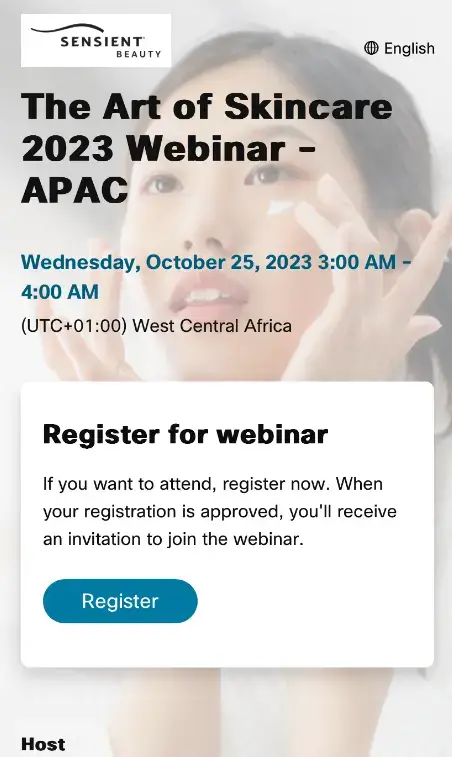
Source: Sensient via Webex
In general, your attendees will register for your webinar if they feel the topic can help them:
- Gain something (e.g., how to save money)
- Solve a problem (e.g., how to get rid of dog fleas)
Don’t forget to promote your webinar across various platforms.
Create the best digital business card by linking your homepage, webinar URL, or a QR code. This increases the chances of signups.
4. Online Courses
Online courses serve as potent lead magnets, offering valuable content beyond traditional marketing.
You might want to consider providing industry insights masterclasses, product tutorial series, skill-building workshops, exclusive webinars, or certification programs.
These offerings not only attract potential customers but also position your brand as an industry authority.
By delivering practical knowledge and fostering engagement, creating and selling online courses can effectively capture leads, nurture relationships, and drive conversions for your e-commerce business.
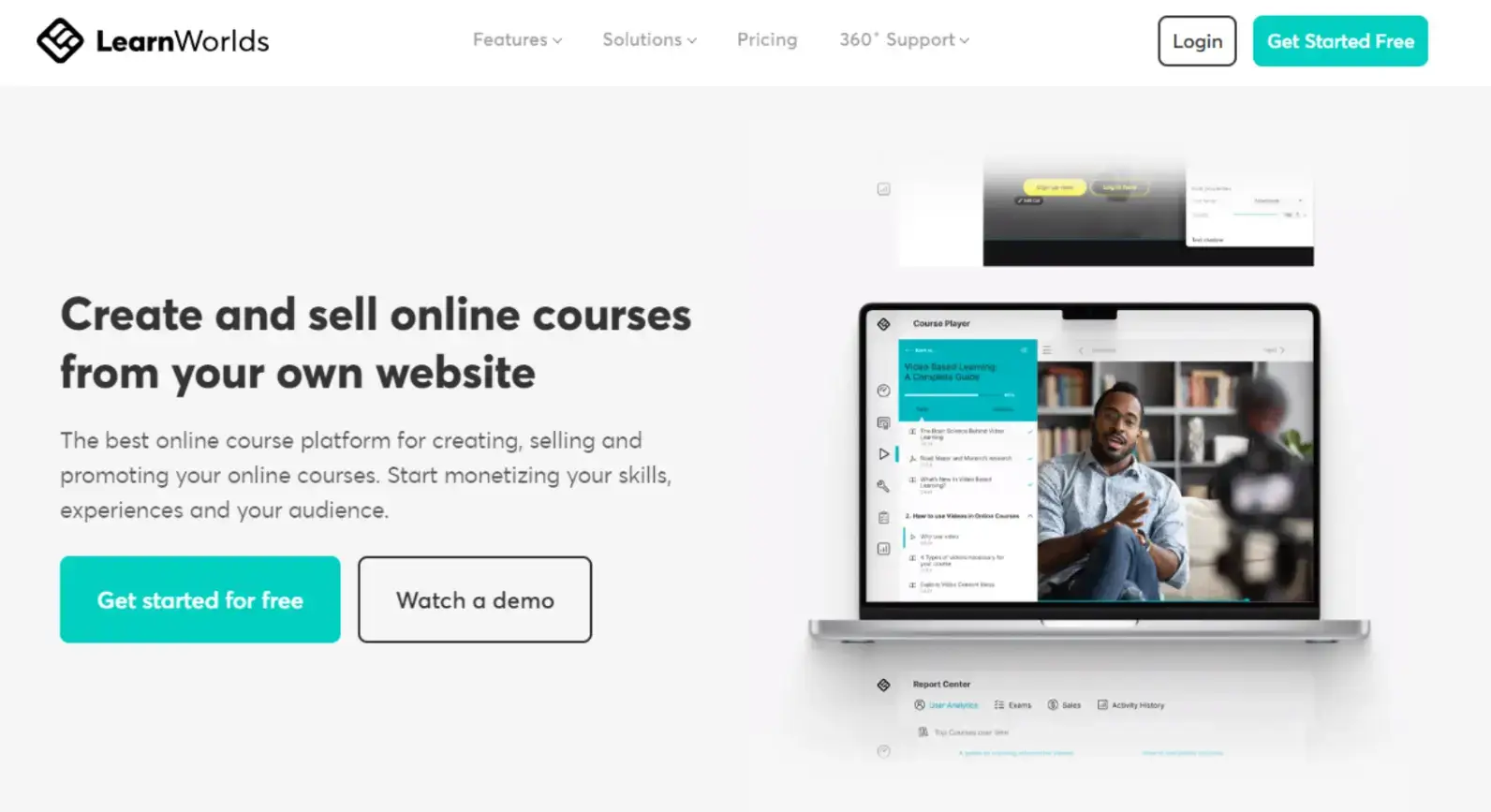
Source: LearnWorlds
For example, you may offer a free mini-course as a lead magnet and later promote paid online courses as part of your wider marketing initiatives.
5. Contests
Contests are known to generate excitement and engagement among audiences. The opportunity to win something will always encourage participation.
You must choose a prize that helps you qualify leads. For example, if you’re a cosmetics brand, offer a premium moisturizer—not a MacBook.
Whether creating a dedicated contest landing page or making a pop-up, keep the entry process simple. Request only essential details.
A simple spin-to-win might be all you need:
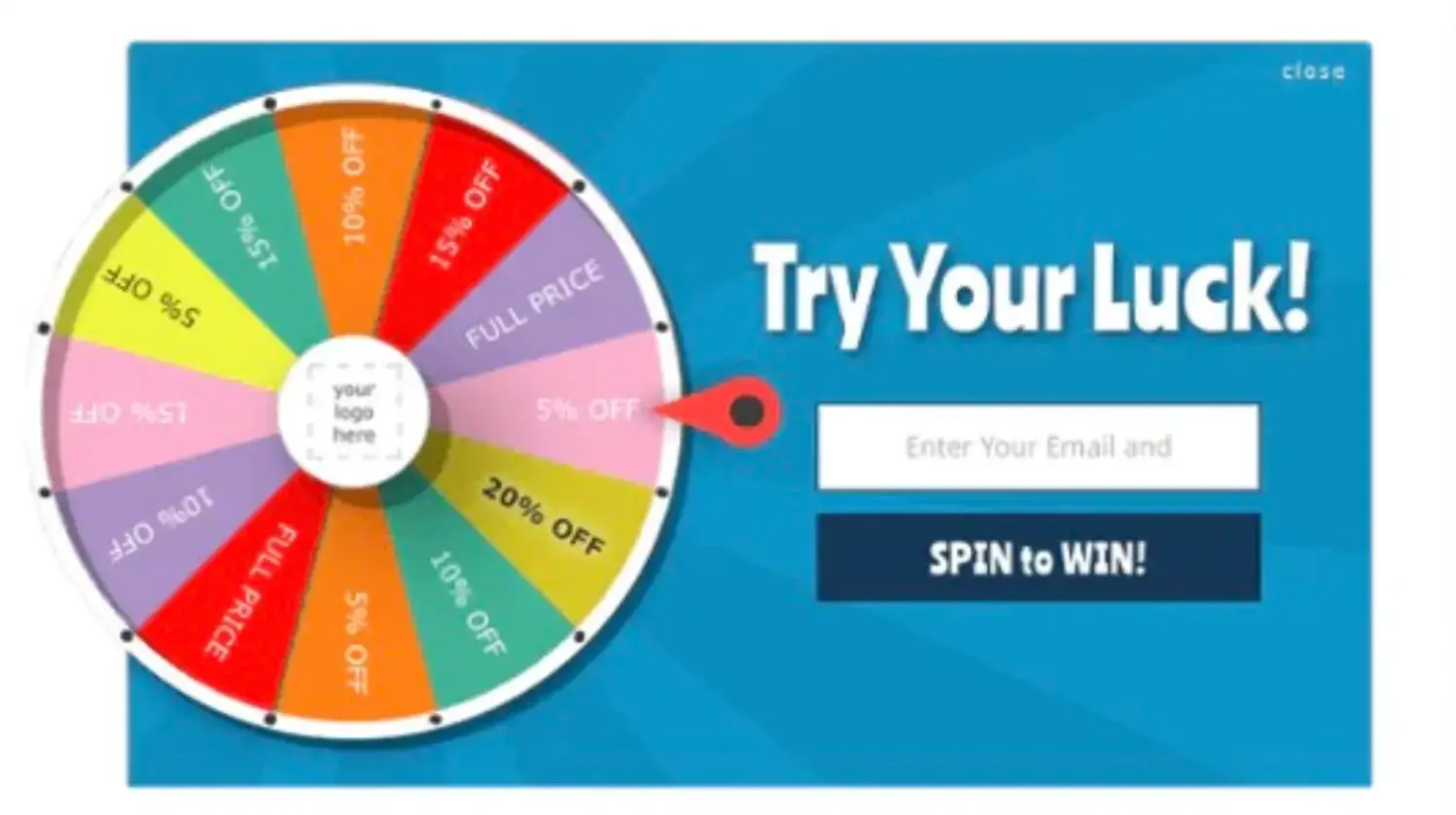
Source: Justuno
Participants can enter their email address. If they’re lucky, they win a prize.
Not only is this easy to set up, but you can also get over 2100 leads with an average of $0.37 cost per lead.
6. Quizzes
Quizzes bring a dual benefit to both you and your prospective leads.
For leads, quizzes help them discover something new or enjoy a bit of entertainment. In exchange, they’ll gladly share their email address.
For you, quizzes provide:
- A new email subscriber
- Valuable customer insights (preferences, needs, pain points)
Let participants take the quiz before requesting their email. Tell them you'll email the results.
Here’s a real-life example from Anne Marie:
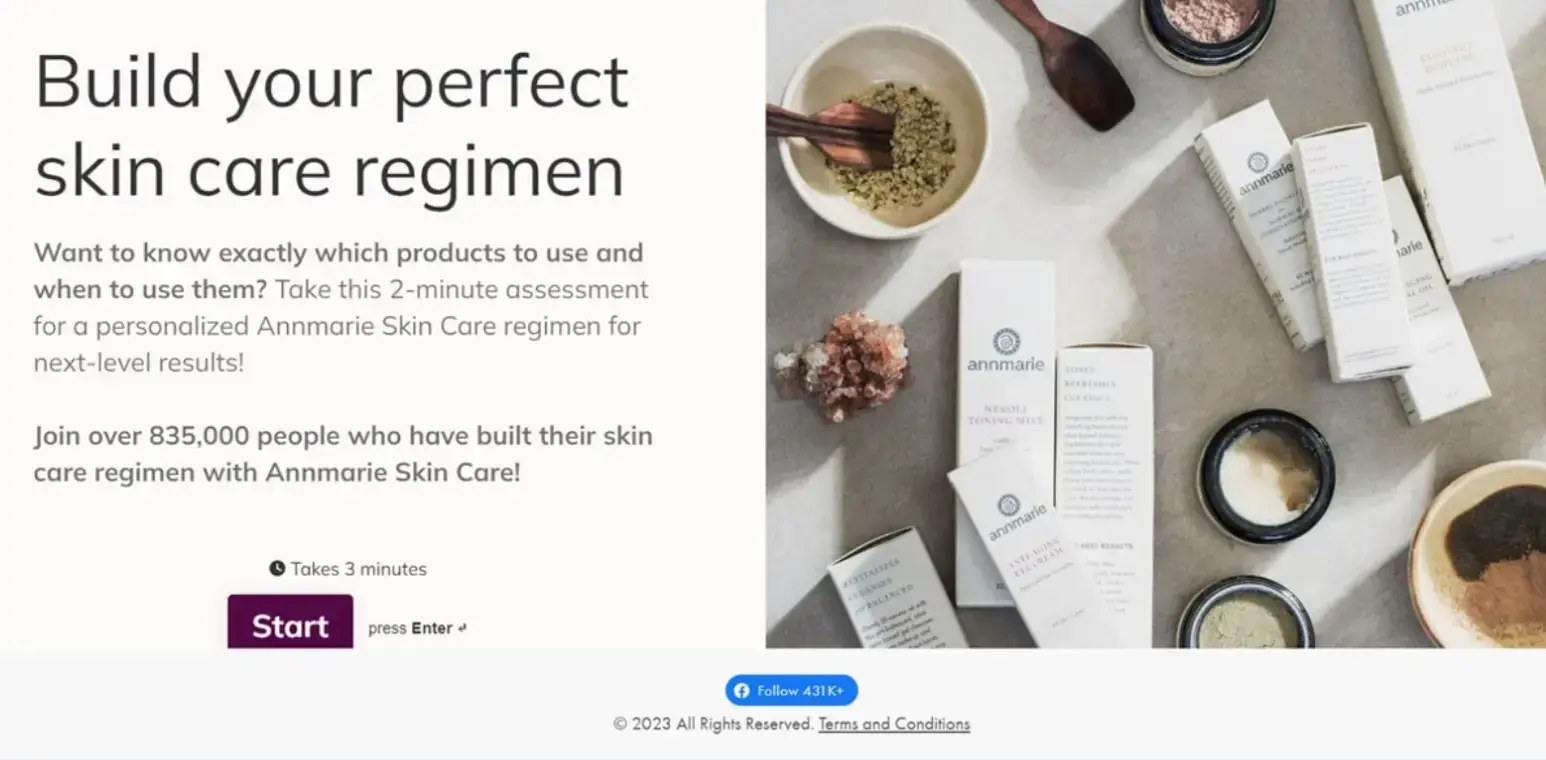
Source: https://www.annmariegianni.com/skin-assessment/
Place your quizzes where traffic is high—your homepage or a frequently visited blog post.
Conclusion
Not every website visitor is ready to buy from you immediately.
But with effective lead magnet ideas, you can use email sequences to forge a strong relationship with them and convert them later.
You have many options for irresistible lead magnets:
- Discounts
- Product guides
- Webinars
- Quizzes
- Contests
- Online courses
Experiment and find what resonates most with your audience.
Good luck with your lead magnet game.

Author Bio
Nico is the founder of Crunch Marketing, a SaaS link-building agency. The company works with enterprise SaaS clients, helping them scale lead generation globally across EMEA, APAC, and other regions.