

Imagine this: You’re planning a vacation and are looking for a suitcase that best meets your requirements. After an hour of research, you don’t find anything good and give up.
The next day, you open your social media account and see an ad for a “sustainable” suitcase. It catches your eye, and you go to the website.
In this article:
- 4 Key Components of Inbound Marketing
- 5 Lead Generation Strategies For Inbound Marketing
On the website, you read an article about the sustainable production process for suitcases and their features. Since you’re environmentally conscious, you didn’t bat an eyelid and bought the perfect suitcase for you.
This is inbound marketing: a way to attract customers to content that pushes them to buy or avail themselves of a service. Let’s dig a little deeper.
The Definition of Inbound Marketing
“A digital marketing method, inbound marketing enables businesses to attract potential customers to their business by leveraging relevant, impactful content and experience that resonates with the audience.” Vineet Gupta, Founder, 5MinutesSEO
Inbound marketing is different from outbound marketing in that it focuses on attracting customers through valuable content and experiences tailored to their needs, rather than pushing a product or message to a broad audience through ads or cold outreach.
While creating a personalized content strategy is key to a good inbound strategy, it’s essential to understand the basics - i.e., the key components of inbound marketing strategies.
4 Key Components of Inbound Marketing Strategies
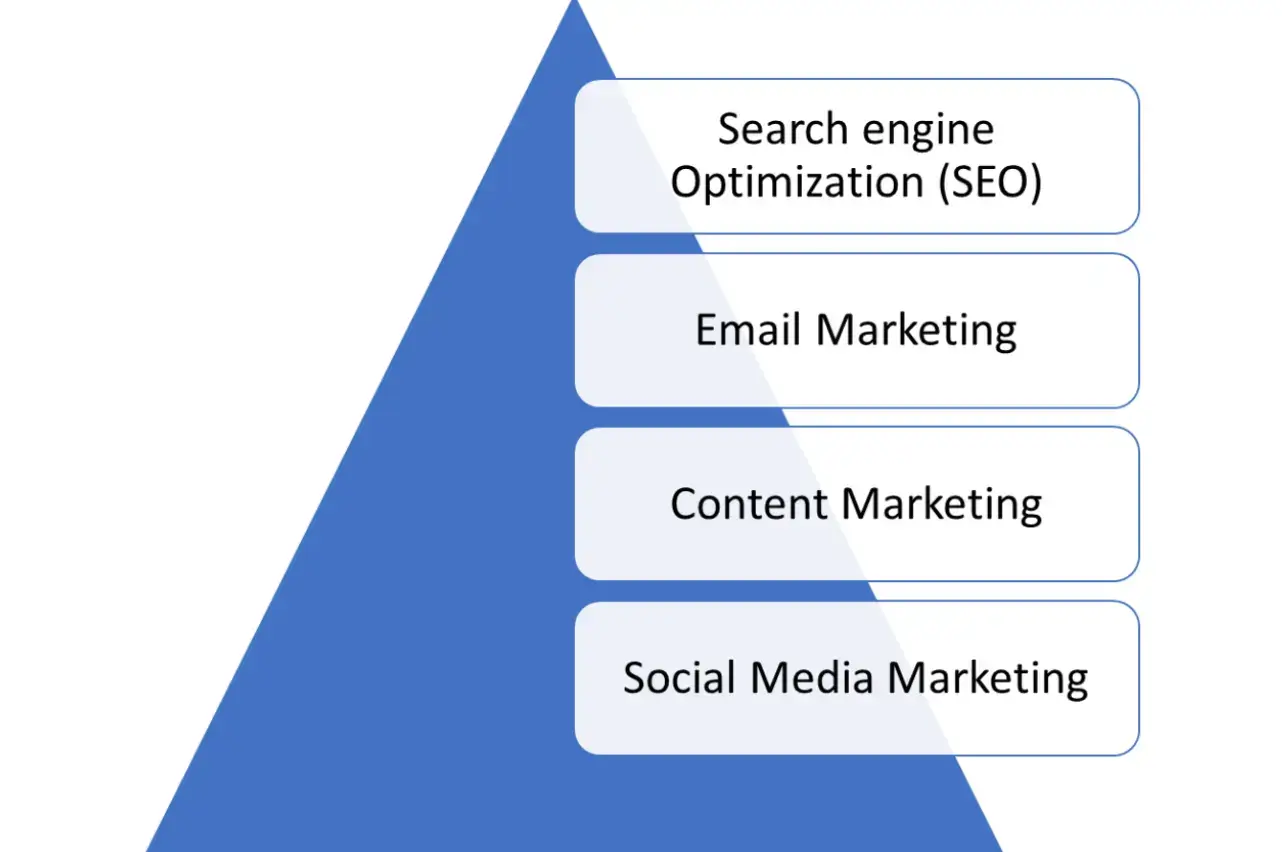
Source: Self-created in PowerPoint
1. Search Engine Optimization
Did you know that The SEO market size is expected to grow to $1455.59 million by the end of 2024, expanding at a CAGR of 25.54%.?
Interesting, right? That’s proof of the importance of SEO - and in this section, we’ll talk about how SEO is a critical element in an inbound marketing plan.
An SEO strategy aims at driving people to your business’s website or specific landing pages. The fundamental way to do so is by leveraging relevant keywords. However, only keywords won’t do the trick.
You have to focus on both the User Interface (UI) and User Experience (UX) aspects of websites, as they also play a crucial role in increasing your SEO scores and impressing your potential customers.
But what is the difference between UX and UI? Here’s a quick illustration to explain the concepts.
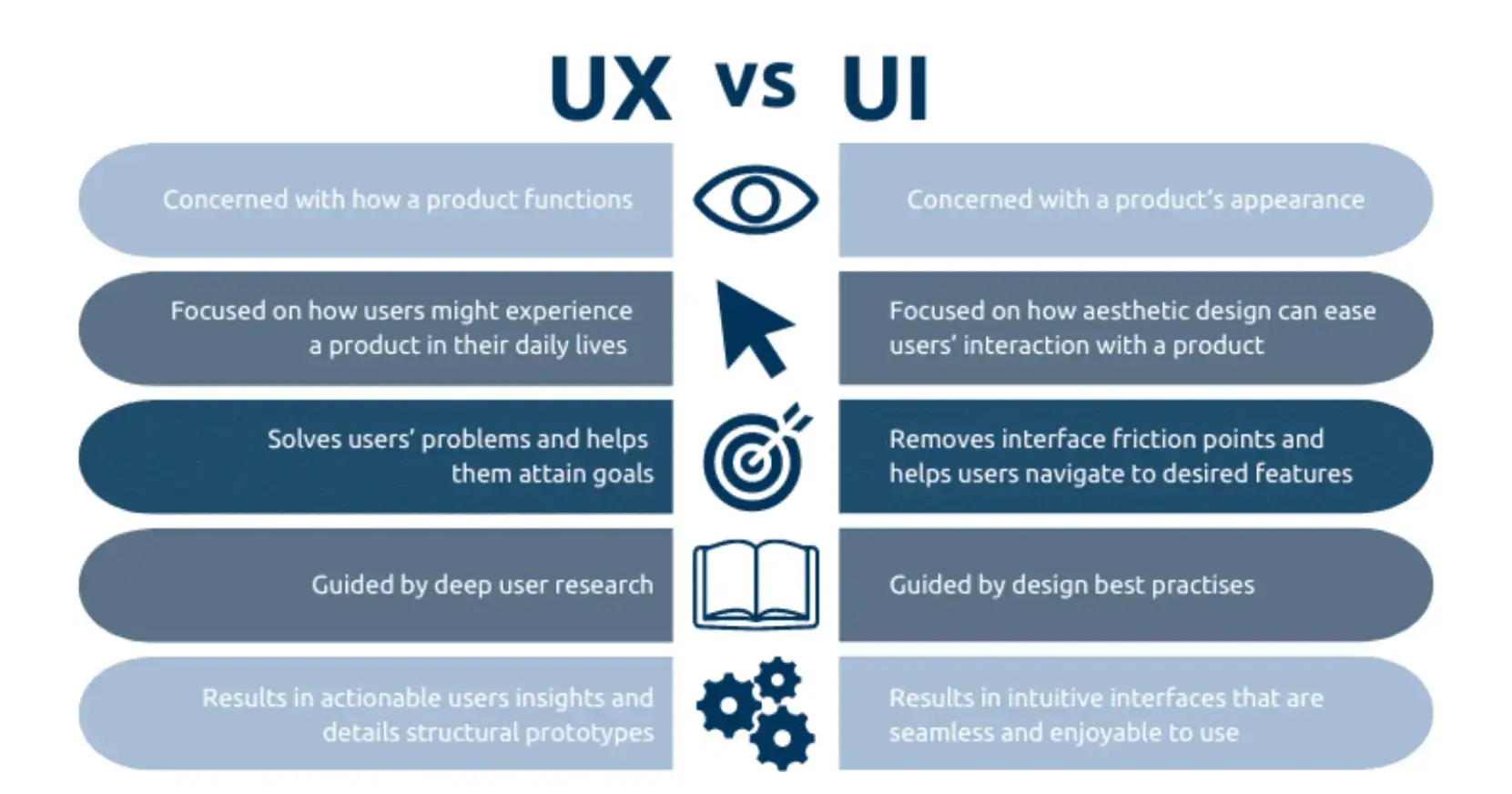
Source: Whitepeakdigital
Tip: Pay importance to a webpage’s title and meta description. Don’t stuff keywords in your content; make it relevant, catchy, yet SEO-friendly.
 Mick Essex
2. Email marketing
Email marketing is a core element in any inbound marketing plan. It is the perfect way to nurture leads and convert them into loyal customers.
A solid email marketing strategy that encompasses and takes into account everything related to your email list.
From broadcasting emails, nurturing sequences, creating emails based on personas, and personalizing emails, ensure your emails speak to the target audience.
Tip: Track email metrics to ensure you reach and make an impact on the target audience. From growth rate to CTR, subscription rate, and more, there are various metrics you can track to optimize your email marketing plan.
 Mick Essex
3. Content marketing
Content is the biggest driving force of any inbound marketing strategy. But what is content marketing?
Even a foolproof inbound marketing strategy won’t work without good content. SEO and PPC work when the content is engaging and gripping enough.
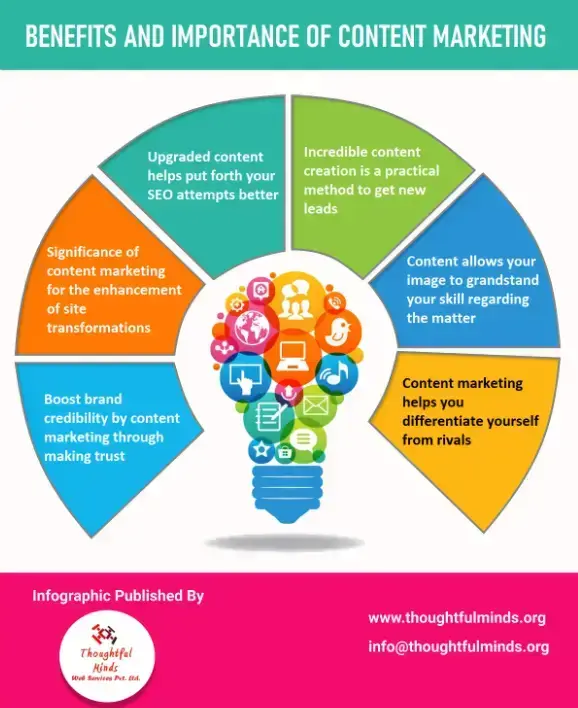
Source: ThoughtfulMinds
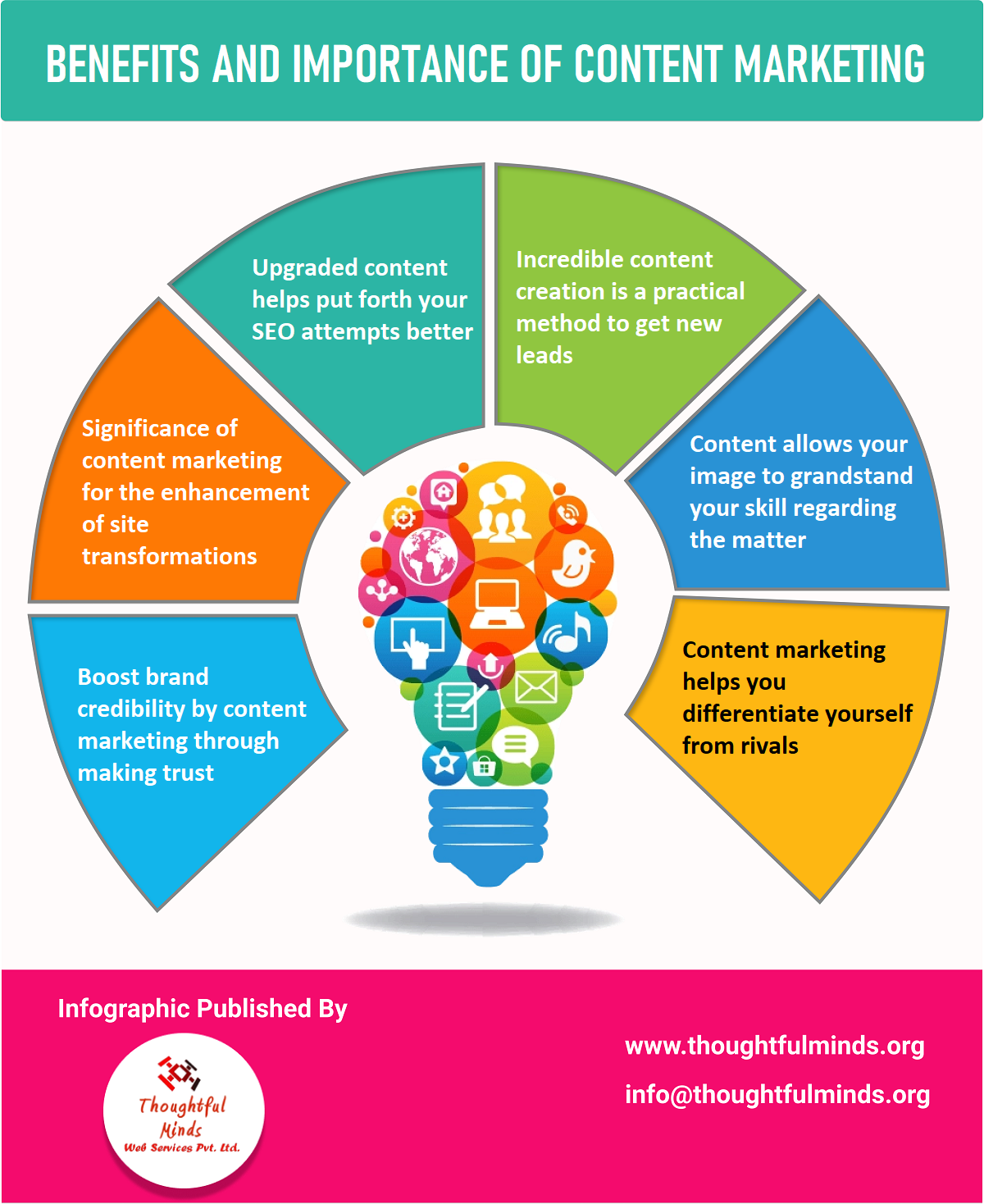
Tip: Understand your business purpose, audience, and goals. Create a unique brand story and engaging content that positively impacts your customers. Ensure your content is tied to your business and displays your brand values.
4. Social media marketing
Social media can do wonders in inbound marketing. In 2024, startups and large enterprises will leverage social media to build a loyal community of potential customers and raise awareness of their products/services.
Social media empowers businesses to reach people across the globe without investing a considerable amount of money.
While you can create a social media account on any platform for free, it takes a lot of effort to stand out from the crowd.
But with the right strategy, you can maximize TikTok engagement, post content on Instagram, Facebook, and Twitter, and turn views into loyal customers across all these platforms.
Tip: Create an engaging social media marketing strategy, respond to DMs (Direct Messages), focus on cross-promotion, and always offer relevant content on your social media handle with the help of a social media virtual assistant.
Now that we have a base, let’s dig into a few inbound marketing tactics that you can try!
5 Lead Generation Strategies For Inbound Marketing
As we’ve covered what inbound marketing is, this section dives into 5 inbound marketing strategies for startups.
#1: Leverage social media to create a target persona
Understanding your target audience is critical in ensuring a successful inbound marketing strategy.
One way to achieve this is by leveraging social media insights. For example, Facebook has a “Facebook Page Insights” section that shows metrics about your followers, such as age and gender.
The illustration below provides crucial information for creating target personas.
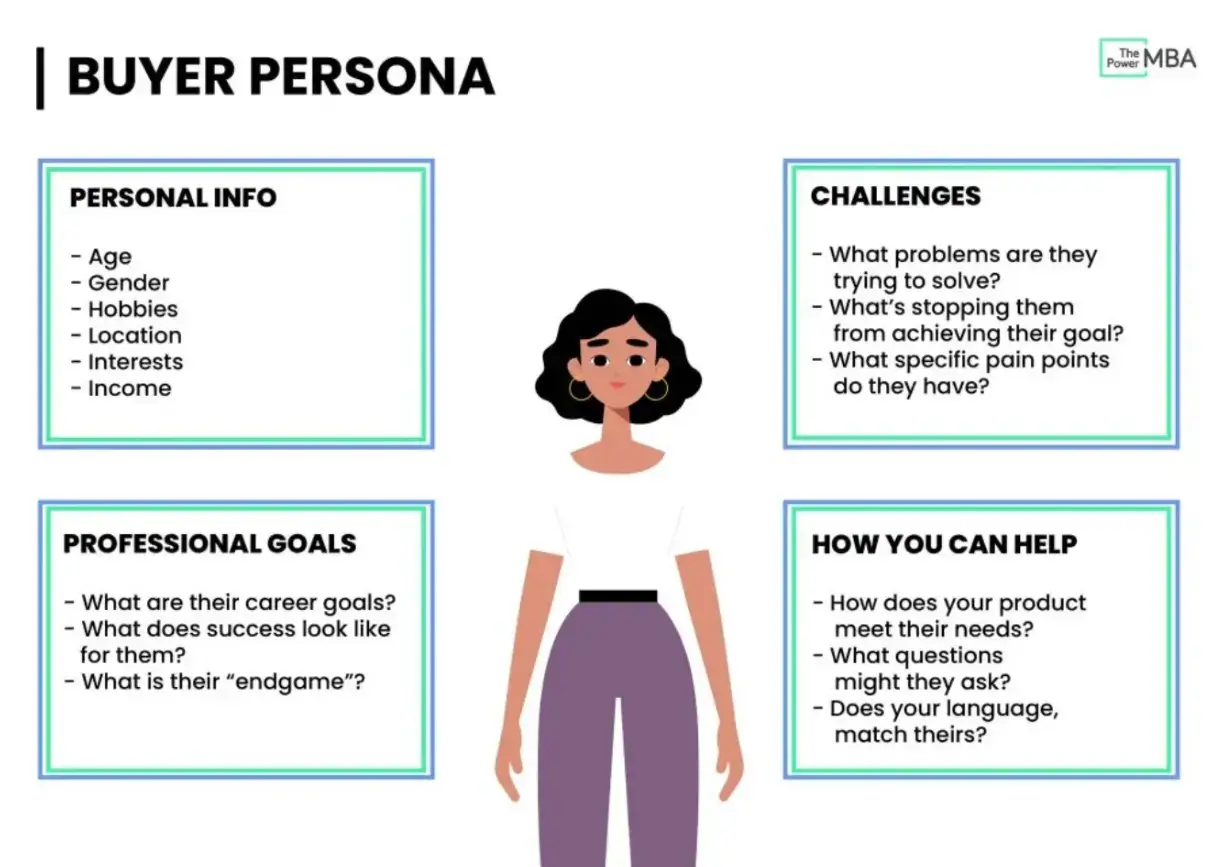
Source: Zerogravitymarketing
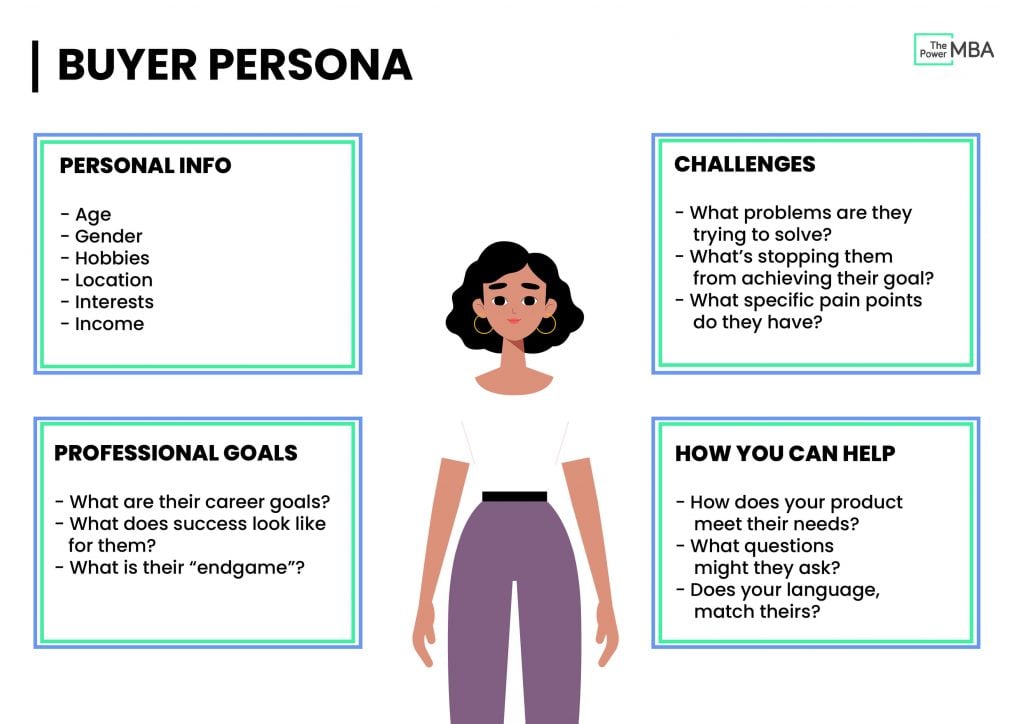
Famisanar is an excellent example of understanding the importance of buyer personas in an inbound marketing strategy.
The Colombian company used to leverage manual marketing processes. They transitioned to inbound marketing, and the first critical step was to design a buyer persona.
With the perfect buyer personas, they easily created a comprehensive, personalized inbound marketing strategy focused on blogs, emails, landing pages, social media, etc.
The result? Famisanar generated 5,000 leads/month, of which 2,000 were marketing-qualified leads (MQLs).
#2: Focus on writing in-depth, knowledgeable articles
Research by Curata shows that long-form content generates:
- 9 times more leads
- 8 times more page views
- 3 times more social media shares
…as compared to short-form content.
So, instead of producing a lot of short-form content, it’s a good inbound marketing strategy to write long-form, data-driven articles that offer value to your target audience. Long-form content is great for SEO rankings and helps your readers gain the information they need.
#3: Host a free webinar
Webinars are a great inbound marketing technique for connecting with your target audience and giving them insight into your personality.
Focusing on what your audience wants to listen to or learn about educates them and keeps them interested in a topic that appeals to them.
You can always track whether they saw the webinar and optimize your strategy.
Clearscope is an excellent example of how a small business can leverage webinars. The business produces webinars that appeal to audiences and educate them about how SEO works in today's world.
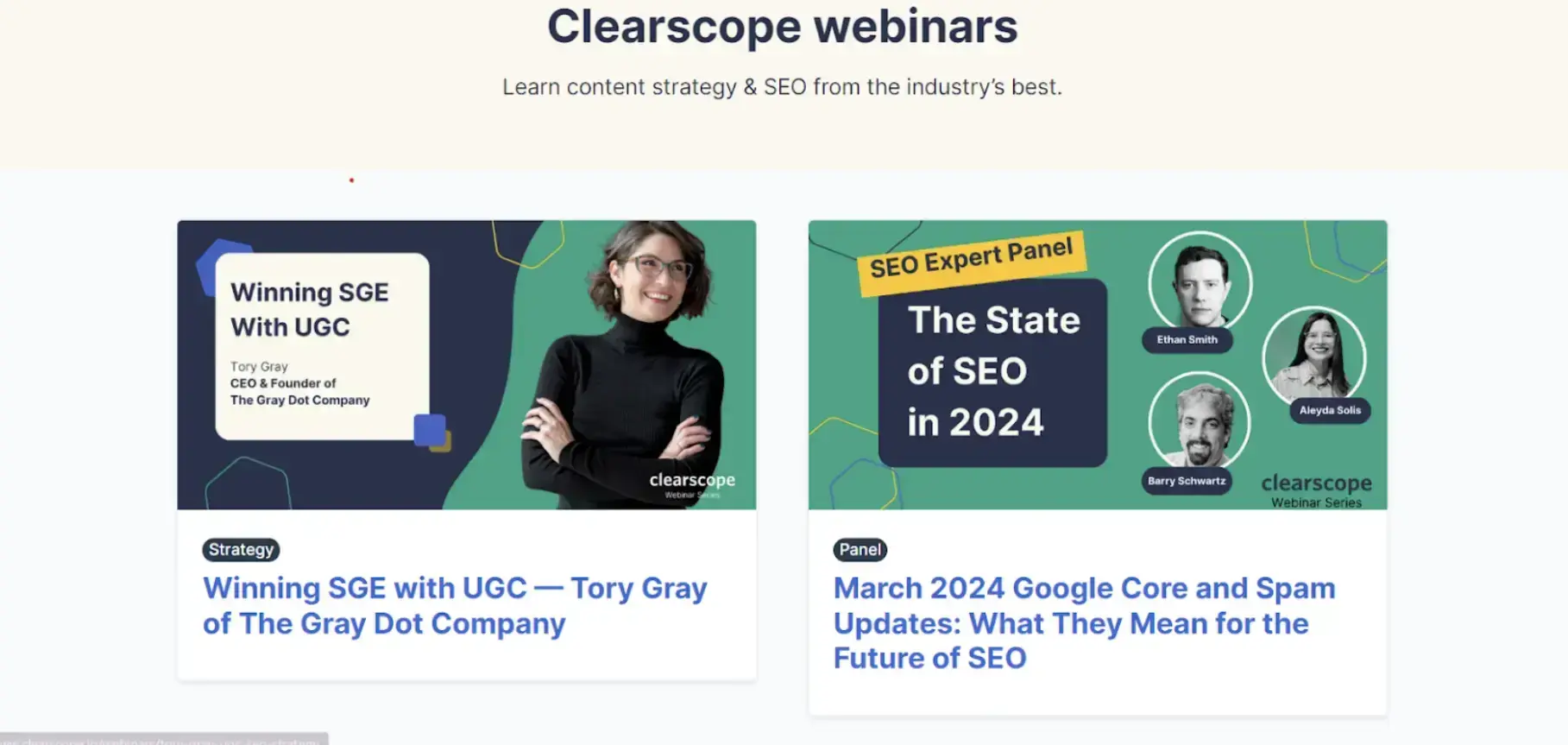
Source: Clearscope
What do they do that’s interesting? They invite experts to share their thoughts and insights on the topic. This is a brilliant strategy as it gives Clearscope value and increases authenticity among the target audience.
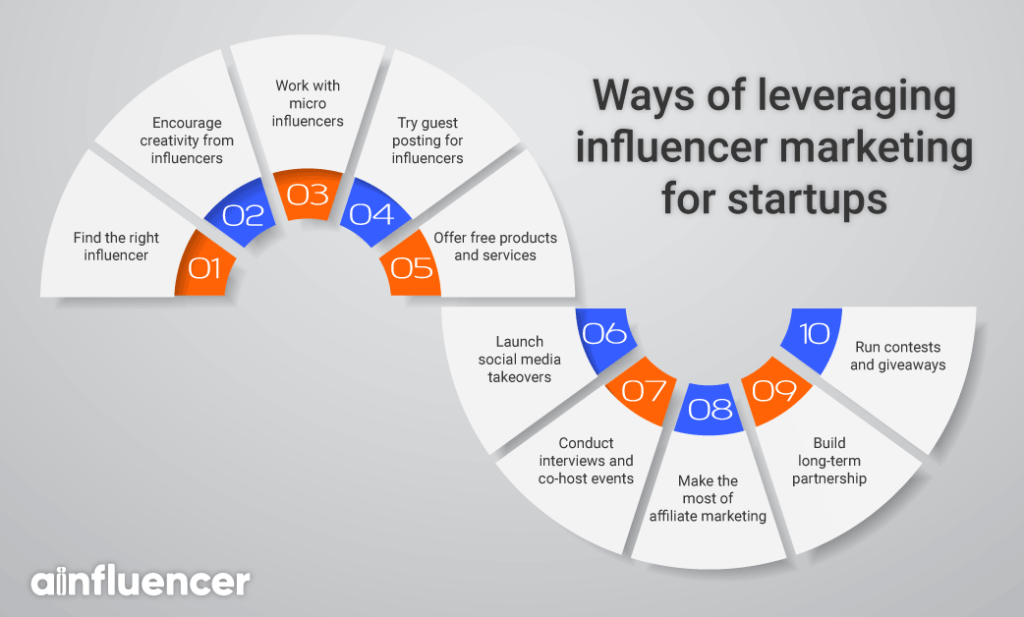
#4: Leverage influencer marketing campaigns
Did you know that about 31% of social media users prefer discovering new products or services through an influencer?
Here’s a map of how you can leverage influencer marketing.
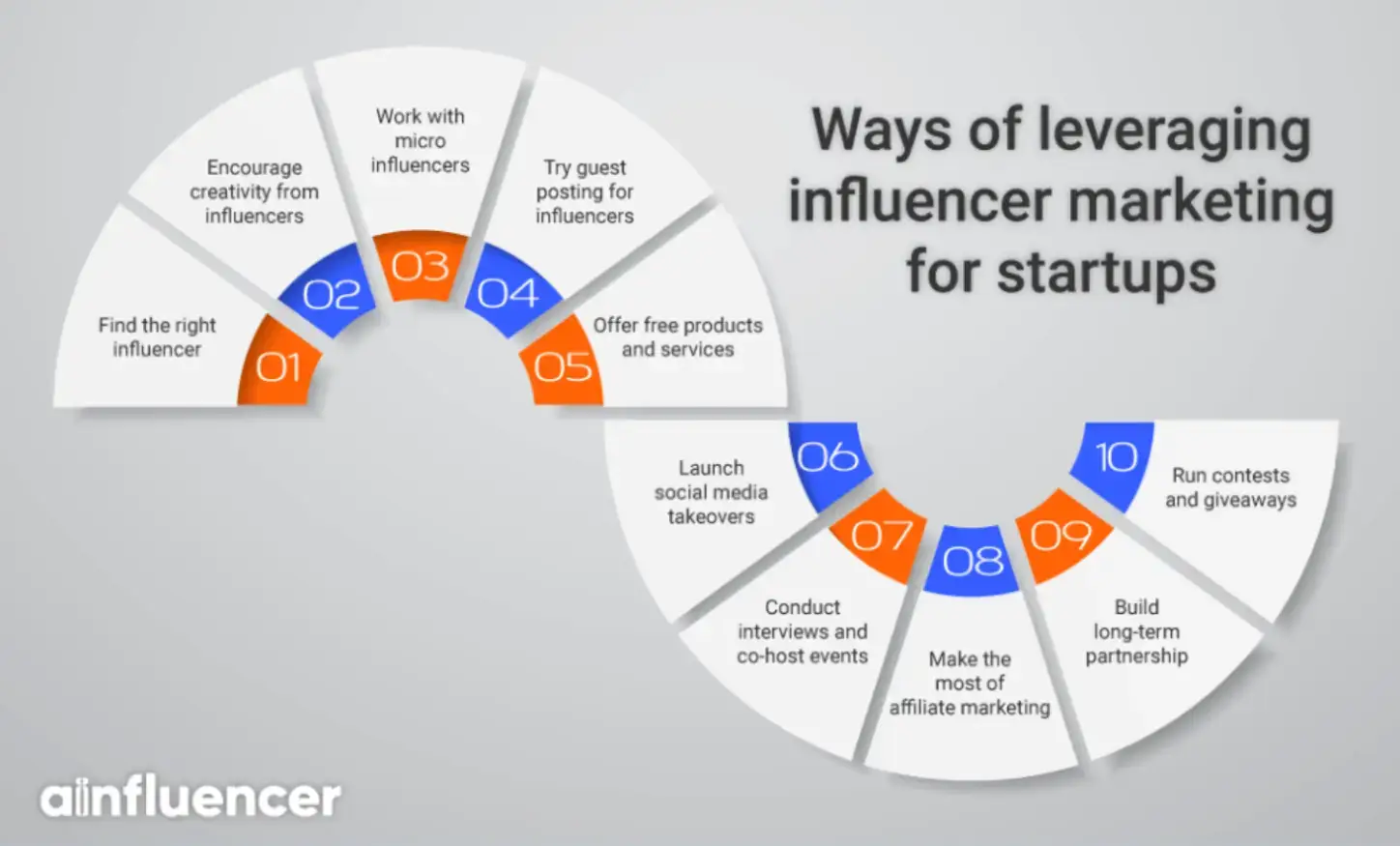
Source: ainfluencer
#5: Make your content more visual
Content is always better with an illustration or a visual element. Adding visual elements to your content increases reader engagement and reduces bounce rate. How?
Humans can get bored and even startled by big chunks of content. Adding a visual element, such as infographics, makes the content easier to read and understand.
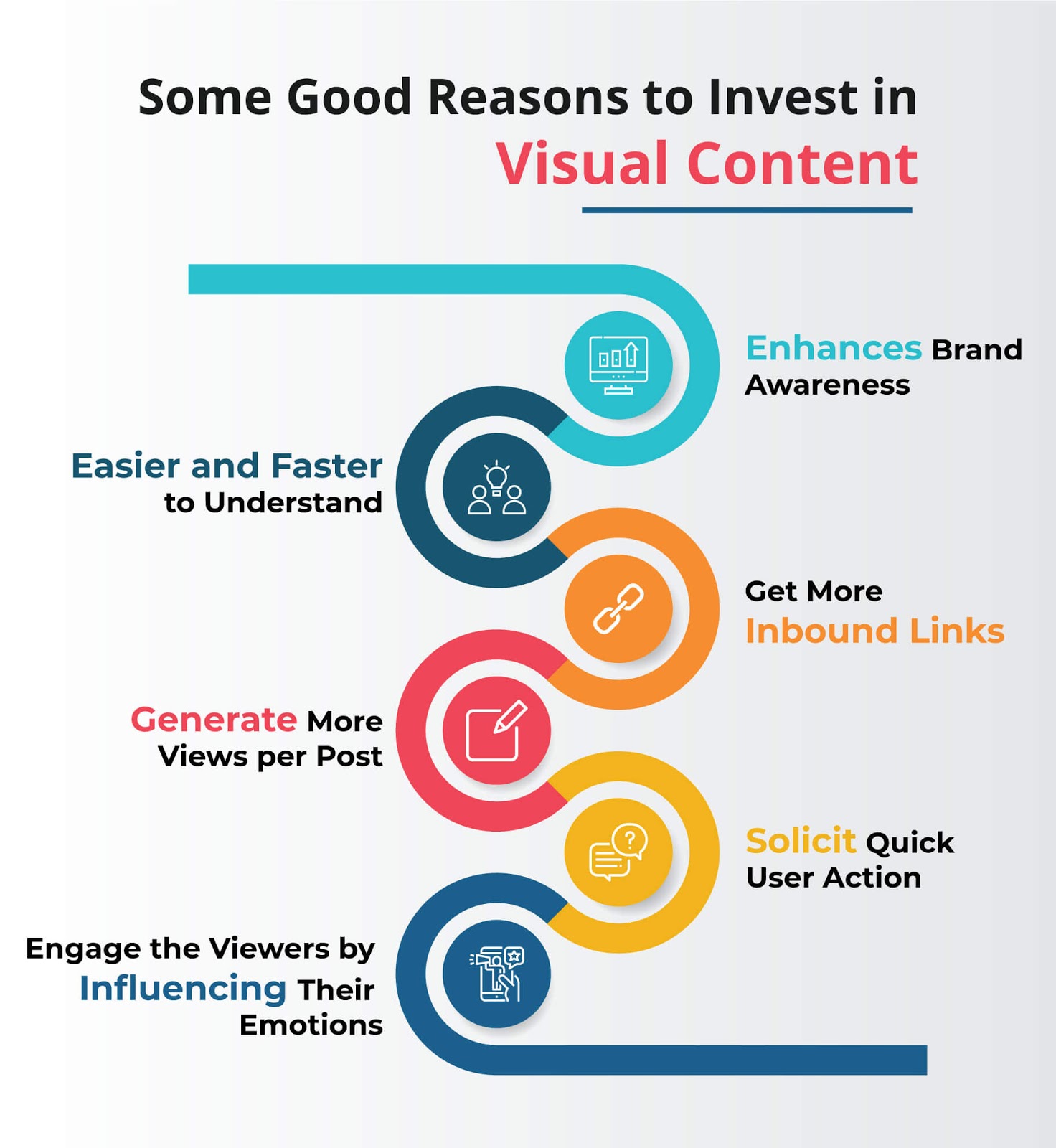
Here are a few more reasons to focus on visual content.
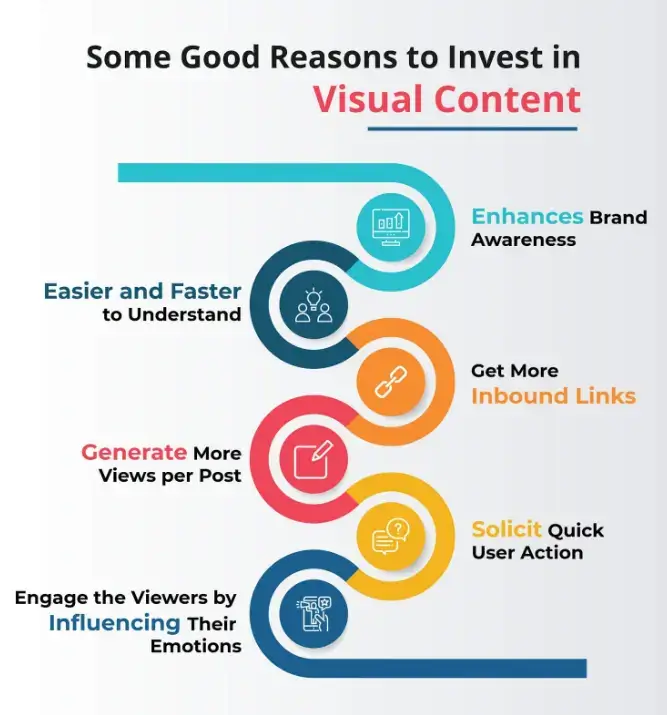
Source: Scoop
One brilliant example of a business that does this right: Animalz.
The Animalz’ team produces content based on an original thought, making each content piece unique. The authors usually rely on their daily experiences to generate engaging content, using graphics to explain their points.
Here’s an interesting example of how the Animalz’ team created a graphic that adds value to the content’s message.

Source: Animalz
Conclusion
Inbound marketing is crucial to generating high-quality leads. The best way to create an inbound strategy is to focus entirely on your target audience and build a content strategy around them.
Focus on SEO best practices and leverage social media platforms to nurture leads.
With personalized engagement, small businesses can attract, engage, and convert prospects into loyal customers. Embracing inbound marketing enhances brand visibility and fosters long-term customer relationships, driving growth and profitability for businesses of all sizes.
Remember, your next challenge after generating leads is converting them into customers. You may want to consider using a CRM to streamline your sales process and boost your lead conversion rate.
FAQ
1. What is inbound marketing, in simple terms?
Inbound marketing is a way to attract people to your business by publishing helpful content and experiences that match what they’re already looking for—so they discover you naturally instead of being “pushed” by ads or cold outreach.
2. What are the four key components of an inbound marketing strategy?
This article breaks inbound marketing into four foundational pillars: SEO, email marketing, content marketing, and social media marketing—working together to attract, nurture, and convert leads.
3. How does SEO support inbound lead generation?
SEO brings qualified traffic to your site by helping your pages rank for relevant searches. Beyond keywords, the article emphasizes strong UX/UI, clear titles, and compelling meta descriptions to keep visitors engaged and move them toward conversion.
4. Why is long-form content often better for generating leads?
4) Why is long-form content often better for generating leads?
Because long-form, high-value articles can perform better across multiple channels: they rank well in search, earn shares, build trust, and give readers enough depth to take action—making them more likely to convert into leads.
5. Which lead generation tactics does the article recommend using most?
The five strategies covered are:
- building a target persona using social insights
- writing in-depth, knowledgeable articles
- hosting free webinars
- running influencer marketing campaigns
- making content more visual (graphics/infographics)

Author Bio
Irov is a content marketing specialist, demand generation enthusiast, and team player who is currently working with 2xSaS. He helps B2B SaaS companies spread the word about their products through engaging content. When he is not working, he likes playing video games on his PS4.