

In the dynamic landscape of small business, the key to success lies in effective brand awareness.
This blog post unveils 10 tactical strategies, tried and tested, to elevate your brand’s visibility.
Whether you’re a budding entrepreneur or an established small business owner, these proven tactics promise to amplify your reach, attract new customers, and leave a lasting impression.
With more than 4.74 billion people worldwide using social media, leveraging the power of this medium is essential.
Each tactic featured is a step towards not just being noticed but being remembered. Dive into this guide and embark on a journey to strengthen your brand’s presence in the competitive market.
What is Brand Awareness and Why Does it Matter?
Brand awareness is the extent to which consumers recognize and recall a brand. It matters profoundly as it establishes a brand’s visibility and familiarity, which are essential elements in consumer decision-making.
A strong brand presence fosters trust, influences purchasing decisions, and promotes customer loyalty.
It serves as the foundation for brand equity, enabling a business to forge lasting connections with its audience and stand out amid the myriad of choices available in today’s diverse marketplace.
Knowing how best to boost brand awareness is particularly important for e-commerce business owners.
How to Increase Brand Awareness for Your Small Business: 10 Tactics
- Implement an effective content strategy - Create shareable content, infographics
- Participate in local organizations and events, and collaborate with local markets
- Use the power of influencer marketing - Partner with influencers in your niche
- Tell a brand story, run a podcast and a LinkedIn newsletter
- Focus on building a social media presence
- SEO is essential
- Guest blog on other relevant websites
- Take advantage of email marketing
- Launch a referral program
- Invest in paid advertising
Unlock the potential of your small business with our curated list of 10 powerful brand awareness tactics.
From implementing an effective content strategy to launching a referral program, these strategies are designed to elevate visibility and leave a lasting impression.
Discover some actionable insights and branding tips to help your small business stand out in the competitive marketplace.
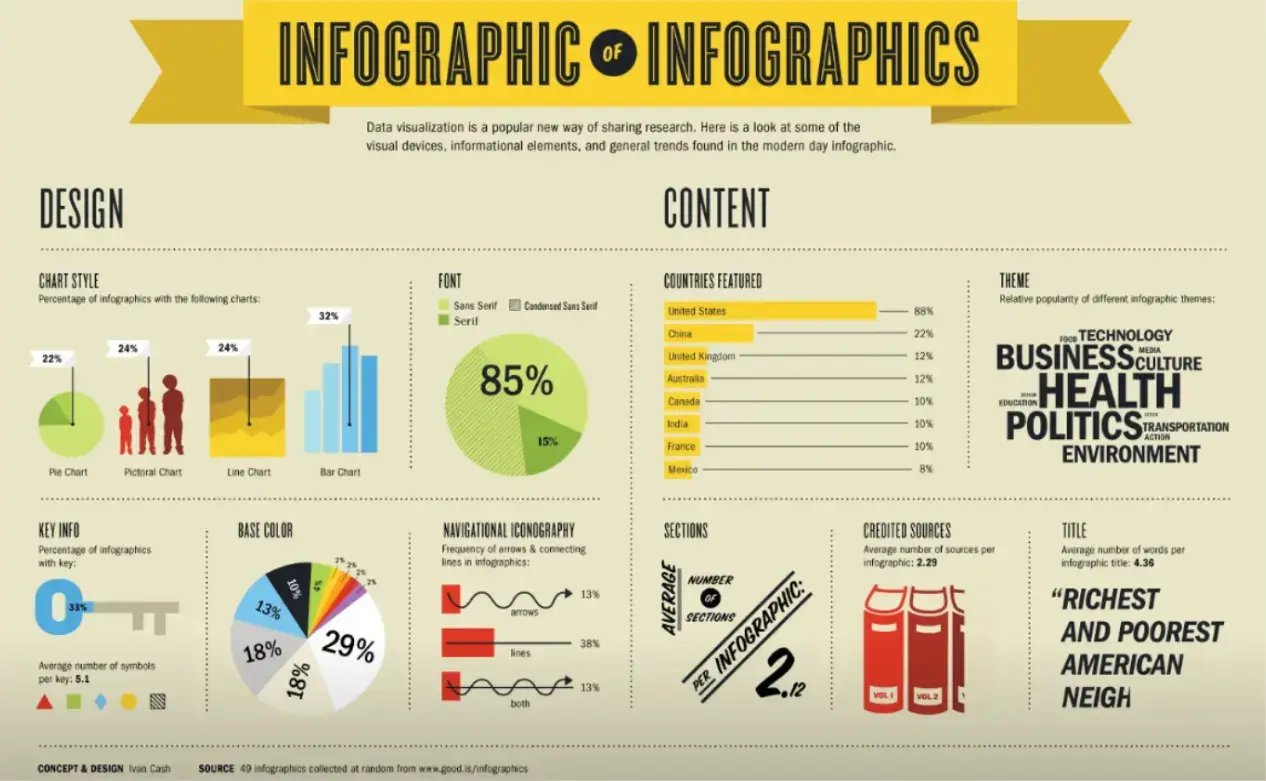
1. Implement an effective content strategy - Create shareable content, infographics
Source: Wired
Implementing an effective content strategy involves several key steps:
- Define your goals: Define the desired outcomes and success measures that will guide your website’s marketing strategy.
- Research your target audience: Understand who your potential customers are.
- Conduct a content audit: Organize your existing content library, create new content, and monitor your content’s success.
- Choose your content types: Try to include blog posts, infographics, videos, podcasts, and social media posts.
- Create your content plan: Schedule when and where each piece of content will be published.
- Develop a process for content creation: Establish a workflow for creating, editing, approving, and publishing your content.
- Measure the success of your content: Analytical tools help you track performance and protect your brand from various threats.
Make your content useful, as people will gladly share it with friends. Images, videos, and infographics can make your content more engaging and shareable.
Your business card is a simple but powerful tool for making a strong first impression in person and helping people remember your brand long after the meeting.
If you tell a story in your content, it will be inherently shareable and help your audience connect with your brand more deeply. When you create content around popular or trending topics, it can increase its shareability.
Finally, always aim to provide value to your audience. It could be entertainment, information, inspiration, or anything else your audience might find valuable.
2. Participate in local organizations and events, and collaborate with local markets
Participating in local organizations and events and collaborating with local markets can significantly increase brand awareness. Here are some strategies you should consider:
- Network with other local businesses and community members to help build relationships and increase your brand’s visibility.
- Align with a newsworthy cause, local charities, or causes that align with your brand’s values to increase your brand’s exposure and demonstrate your commitment to the community. For nonprofit partners reviewing their fundraising technology, resources on Neon CRM alternatives can help them compare other options for donor management and campaigns.
- Sponsor local events or partner with local businesses to help you reach a larger audience.
- Host events related to your business’s mission to help you attract people who are interested in what your company stands for.
- Demonstrate social responsibility by engaging with social issues or volunteering in the community to show that your brand cares about more than just profits.
- Stay true to and passionate about your brand’s mission and values, as authenticity resonates with people.
- Promote your brand and engage your local community through social media and other digital channels. Approximately 77% of customers make purchases from brands they follow on social media.
- Tailor your brand's messaging to align with local culture and values.
- Prioritize influencer partnerships and collaborate with local influencers who align with your brand’s values.
3. Use the power of influencer marketing - Partner with influencers in your niche
Source: Statista
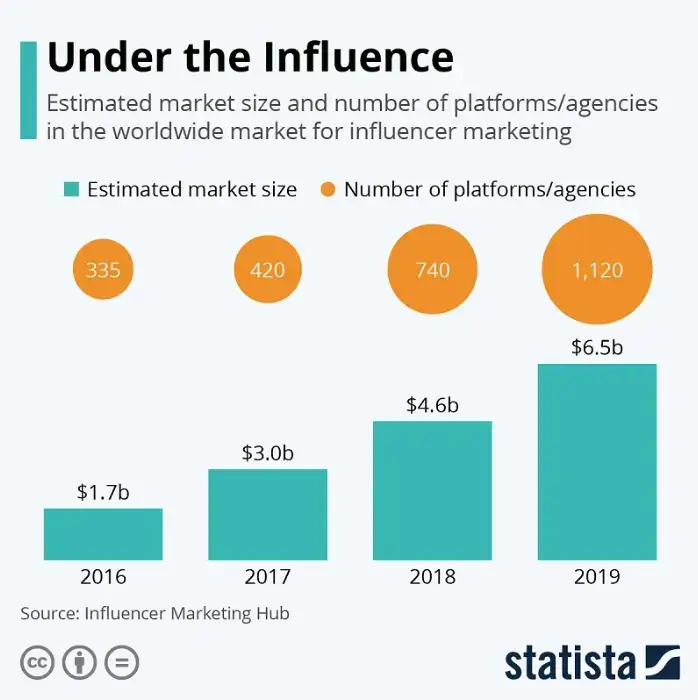
Influencer marketing is a powerful way to increase brand awareness and plays a key role in any brand management strategy.
Here are some strategies to leverage the power of influencers in your niche:
- Request product reviews and recommendations from influencers.
- Collaborate with influencers to launch new brand lines and products.
- Create and distribute content featuring your brand and product across digital platforms.
- Turn influencers into long-term brand ambassadors to increase brand exposure.
- Run contests and giveaways with influencers to generate buzz about your brand.
- Run referral programs for influencers.
- Invite influencers to take over your social media accounts to provide fresh content and attract new followers.
It’s important to remember that influencer marketing is a tried-and-true way to increase brand awareness and a crucial factor in driving long-term sales and revenue.
4. Tell a brand story, run a podcast and a LinkedIn newsletter
To increase brand awareness, craft a compelling brand story that resonates with your audience.
Share your business's journey, values, and unique aspects. Harness the power of podcasting by running a podcast that delves into industry insights, trends, and engaging conversations.
Simultaneously, leverage LinkedIn by launching a newsletter. Share valuable content, industry updates, and behind-the-scenes glimpses. Cultivate a professional network by engaging with your audience.
Integrating these strategies creates a cohesive narrative and establishes a strong brand presence. That presence shouldn't stop at the screen either.
If customers or partners ever visit your premises, custom glass signs etched with your logo carry the same brand story into your physical space.
The combination of storytelling, podcasting, and LinkedIn newsletters ensures a multifaceted approach that captivates, informs, and steadily elevates your brand in the eyes of your target audience.
5. Focus on building a social media presence
Source: Pixabay
A strategic focus on building a robust social media presence is a solid foundation for elevating brand awareness.
Identify platforms aligned with your audience and industry, then craft compelling and shareable content. Consistent posting, interactive engagement, and the use of visual elements enhance brand visibility.
If you need to change your logo, you can use an AI logo generator to quickly create a design that aligns with your updated brand and website aesthetic.
Utilize targeted advertising to reach a broader audience and employ analytics to refine your approach.
Encourage user-generated content, foster a community around your brand - use social proof to build trust by sharing customer testimonials and success stories, and respond promptly to comments, messages, and reviews, cultivating a positive online reputation.
Collaborate with influencers or industry partners to amplify your reach, and regularly analyze performance metrics to refine and optimize your social media strategy.
By prioritizing a dynamic, engaging social media presence, your brand becomes not just visible but actively woven into your audience’s online experience.
6. SEO is essential

Source: Digital Marketing Trends
SEO (Search Engine Optimization) is indispensable for brand awareness as it significantly impacts online visibility.
In a digital age dominated by search engines, a strong SEO strategy ensures your brand appears prominently in relevant search results, making it more discoverable by potential customers.
By organizing website content, optimizing for users, incorporating relevant keywords, and improving site structure, SEO increases the likelihood of ranking on the first page of search engine results.
This visibility builds trust and credibility, establishing your brand as an authoritative presence in its industry.
Additionally, SEO contributes to a positive user experience, with optimized websites loading faster and providing valuable content.
Ultimately, a well-executed SEO strategy not only boosts organic traffic but also positions your brand as a reliable and relevant choice, which is vital for sustained brand awareness and online success.
7. Guest blog on other relevant websites
Guest blogging on relevant websites is an effective strategy for amplifying brand awareness.
By contributing valuable content to platforms in your industry or niche, you tap into established audiences and introduce your brand to new, engaged readers.
Craft insightful, informative posts that showcase your expertise, providing value to the host site’s audience.
Include a well-crafted author bio with a link back to your website, directing interested readers to explore your brand further. This symbolic relationship not only expands your reach but also positions your brand as an authority in the field.
Collaborating with other websites fosters cross-promotion and establishes credibility, creating a ripple effect that elevates your brand’s visibility across diverse online communities.
Roberto Popolizio, content advisor for Website Planet and many others, shared a little secret with us for easily getting featured on many websites without preparing multiple topics or conducting extensive research: find websites that host interviews with founders and online businesses similar to yours.
These are great because it’s easy to be accepted (you work in an online business, don’t you?), they tend to convert better, and it’s easy to come up with topics that you know everything about, so easy to write (hint: go for gaps, myths and wrongdoings in your industry).
8. Take advantage of email marketing

Source: Pixabay
Leveraging email marketing is a potent strategy for substantially increasing brand awareness.
Craft targeted and compelling email campaigns that resonate with your audience, sharing valuable content, promotions, and updates.
Personalize messages to foster connection and relevance, and incorporate visually appealing designs and compelling calls to action to drive engagement.
Regularly share updates on your brand’s story, achievements, and new offerings, and use segmentation to tailor messages to specific audience segments, maximizing relevance.
Encourage subscribers to forward your emails to amplify your reach organically, then use analytics to track campaign performance and refine your approach for optimal impact.
A well-executed email marketing strategy keeps your brand top of mind and provides a direct, consistent channel of communication, fostering enduring connections and heightened brand awareness.
Choose a CRM that is easy to use, affordable, and scalable.
9. Launch a referral program
Launching a referral program is a dynamic approach to significantly boost brand awareness. Here are some steps you should take:
- Encourage existing customers to become brand ambassadors by referring friends and associates.
- Craft enticing incentives, such as discounts, exclusive access, or rewards, to motivate both referrers and new customers.
- Promote the program across various channels, utilizing social media, email campaigns, and your website to maximize visibility.
- Utilize referral program analytics to track performance, refine strategies, and optimize rewards.
Rewarding loyal customers while expanding your customer base creates a positive cycle that generates organic word-of-mouth marketing.
By leveraging satisfied customers as brand advocates, a well-implemented referral program becomes a catalyst for exponential brand exposure and heightened market presence.
10. Invest in paid advertising

Source: Merc Digital
Investing in paid advertising is a strategic catalyst for rapidly increasing brand awareness. Paid ads enable precise targeting, reach specific demographics, and expand your brand's visibility among potential customers.
Platforms like Google Ads and social media offer extensive reach, placing your brand in front of a tailored audience. Eye-catching visuals, compelling copy, and strategic placement enhance ad effectiveness.
Remarketing campaigns reinforce brand presence, keeping your business top of mind with your audience. Comprehensive analytics provide insights into campaign performance, enabling real-time adjustments to maximize impact.
In a competitive landscape, paid advertising is a dynamic tool to quickly elevate your brand's prominence, build a robust market presence, and drive greater awareness among your target audience.
Wrapping Up
In conclusion, a multifaceted approach that incorporates guest blogging, email marketing, referral programs, and strategic paid advertising can significantly elevate brand awareness.
Guest blogging taps into existing audiences, email marketing establishes direct, consistent communication, referral programs leverage satisfied customers as brand advocates, and paid advertising ensures rapid, targeted visibility.
By seamlessly integrating these strategies, small businesses create a synergistic effect, fostering widespread recognition and a formidable market presence.
In a competitive landscape, this comprehensive approach becomes a powerful engine that drives sustained brand awareness, ensuring your small business remains not just visible but actively influential in your target audience's minds.
FAQ: Increasing Brand Awareness for Small Businesses
1. What is brand awareness, and why does it matter for small businesses?
Brand awareness is how easily people recognize and remember your business. For small businesses, it’s critical because familiarity builds trust, shortens the purchase decision cycle, and helps you compete with larger brands—especially when customers are comparing similar products or services.
2. Which tactic builds brand awareness fastest?
Paid advertising and a strong social media presence usually deliver the quickest lift because they can put your brand in front of a targeted audience immediately. That said, the fastest sustainable results often come from combining paid ads with consistent content (so people have a reason to follow, remember, and return).
3. How can I increase brand awareness on a tight budget?
Start with low-cost, high-impact efforts: publish helpful content, encourage user-generated content and reviews, collaborate with local partners, and guest post on relevant sites. You can also launch a simple referral program and stay consistent on one or two social channels where your audience already spends time.
4. How do I choose the right social media platform for my business?
Pick platforms based on where your target customers are most active and what type of content you can create consistently. Visual brands often perform well on Instagram and TikTok, professional services tend to do better on LinkedIn, and community-focused businesses can thrive on Facebook groups and local pages.
5. What are the best ways to measure brand awareness?
Common brand awareness signals include website traffic growth, search impressions, branded search volume (people searching your business name), social follower growth and engagement, email list growth, referral traffic, and repeat visits. Pair those with qualitative inputs—reviews, customer feedback, and social mentions—to understand whether people remember and trust your brand.

Author Bio
Veselin Mladenov is a Digital Marketing and SEO specialist with 3 years of experience as a Content and Affiliate Manager at ThriveMyWay and more than 10 years in corporate marketing and sales.
