
Most small businesses focus on growing sales and improving marketing before they seriously think about logistics. Delivery is often treated as something that can be improved later, once the business is larger.
In reality, delivery systems often decide whether a business can scale smoothly or whether growth becomes increasingly difficult to manage.
At first, everything works fine. Orders are small, customers are patient, and fulfilment feels simple. But as soon as order volumes increase or products become larger and heavier, weaknesses in the delivery process start to appear.
This is where many SMEs begin to struggle, not because demand is lacking, but because operational systems cannot keep up with growth.
Logistics Has Become a Core Growth Function
How E-Commerce Changed Customer Expectations
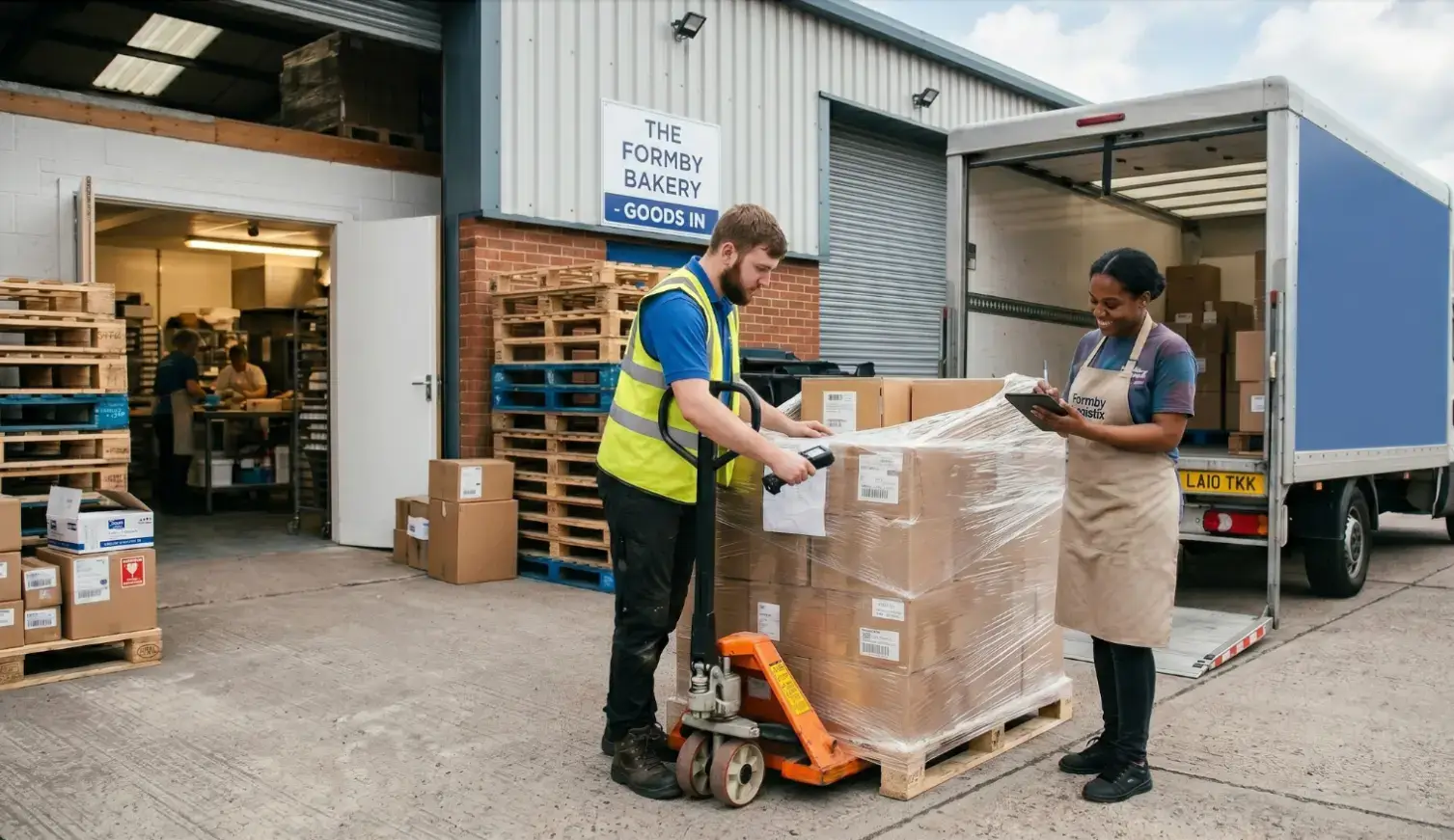
E-commerce has changed how small businesses operate. Many SMEs now sell furniture, gym equipment, building materials, and wholesale goods directly to customers. These were once categories dominated by large retailers.
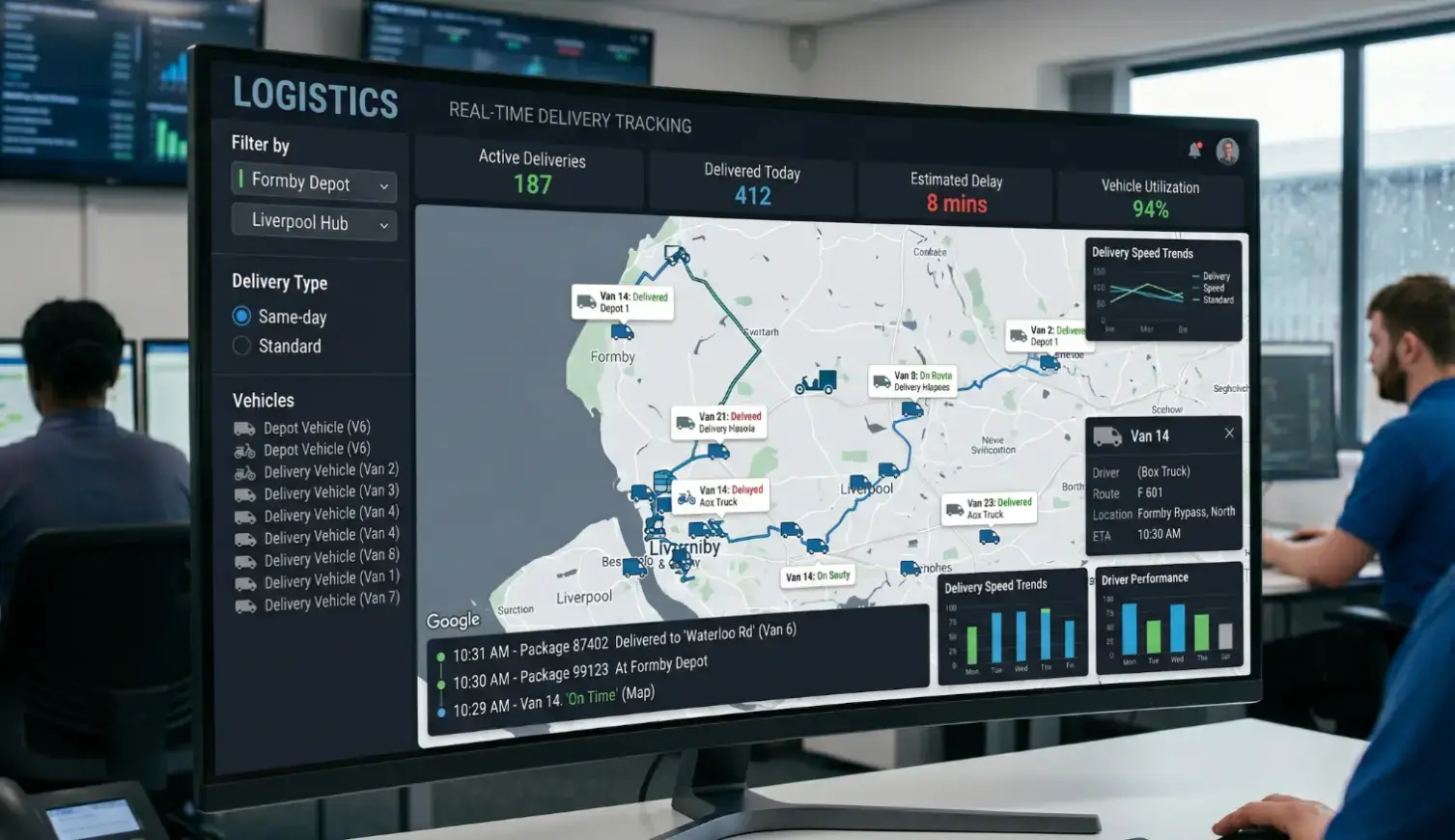
At the same time, customer expectations have risen significantly. People now expect accurate delivery windows, real-time tracking, and fast communication, even for bulky freight deliveries.
Why Traditional Delivery Systems No Longer Fit Every Business
The problem is that many logistics systems were designed for small parcel shipping rather than palletised or oversized goods. This mismatch creates operational friction for growing businesses.
What Happens When Growth Outpaces Delivery Operations
The Operational Risks of Scaling Without Strong Logistics
A business can survive occasional delivery delays. It becomes much harder to survive repeated issues that scale with order volume.
Large shipments introduce more complexity. Timing becomes critical, communication becomes essential, and mistakes become expensive.
For example, a delayed phone case might lead to frustration. A delayed pallet of flooring materials for a construction project can halt work entirely and increase costs for contractors and customers.
Research from PwC highlights that customer experience is now one of the strongest factors influencing purchasing decisions, particularly in competitive e-commerce markets.
Common Signs Your Delivery System Is Holding Back Growth
Common issues businesses face when logistics fall behind include:
- Increasing customer complaints
- Rising refund and replacement costs
- Growing administrative workload
- Lower customer retention
- Shrinking profit margins
Once these issues begin, they tend to scale alongside business growth.
The Real Cost of Choosing Delivery Providers Based on Price Alone
Hidden Costs of Cheap Shipping
One of the most common mistakes SMEs make is focusing only on price when selecting delivery providers.
While cheaper shipping rates look attractive on paper, they often create hidden costs that are harder to measure.
Missed deliveries increase admin work. Damaged goods result in replacements or refunds. Poor communication leads to customer dissatisfaction and lost trust.
Evaluating Delivery Partners Beyond Cost
A study by Deloitte found that trust and consistency in fulfilment are key drivers of long-term customer loyalty. Because of this, many SMEs now compare pallet delivery and freight services.
A slightly higher delivery cost may be worthwhile if it reduces complaints and protects customer relationships. Equally, a low-cost option may still be suitable if it offers consistent service.
The important point is to assess the full impact on the business rather than choosing based on price alone.
How Delivery Experience Shapes Customer Loyalty
The New Standard for Delivery Expectations
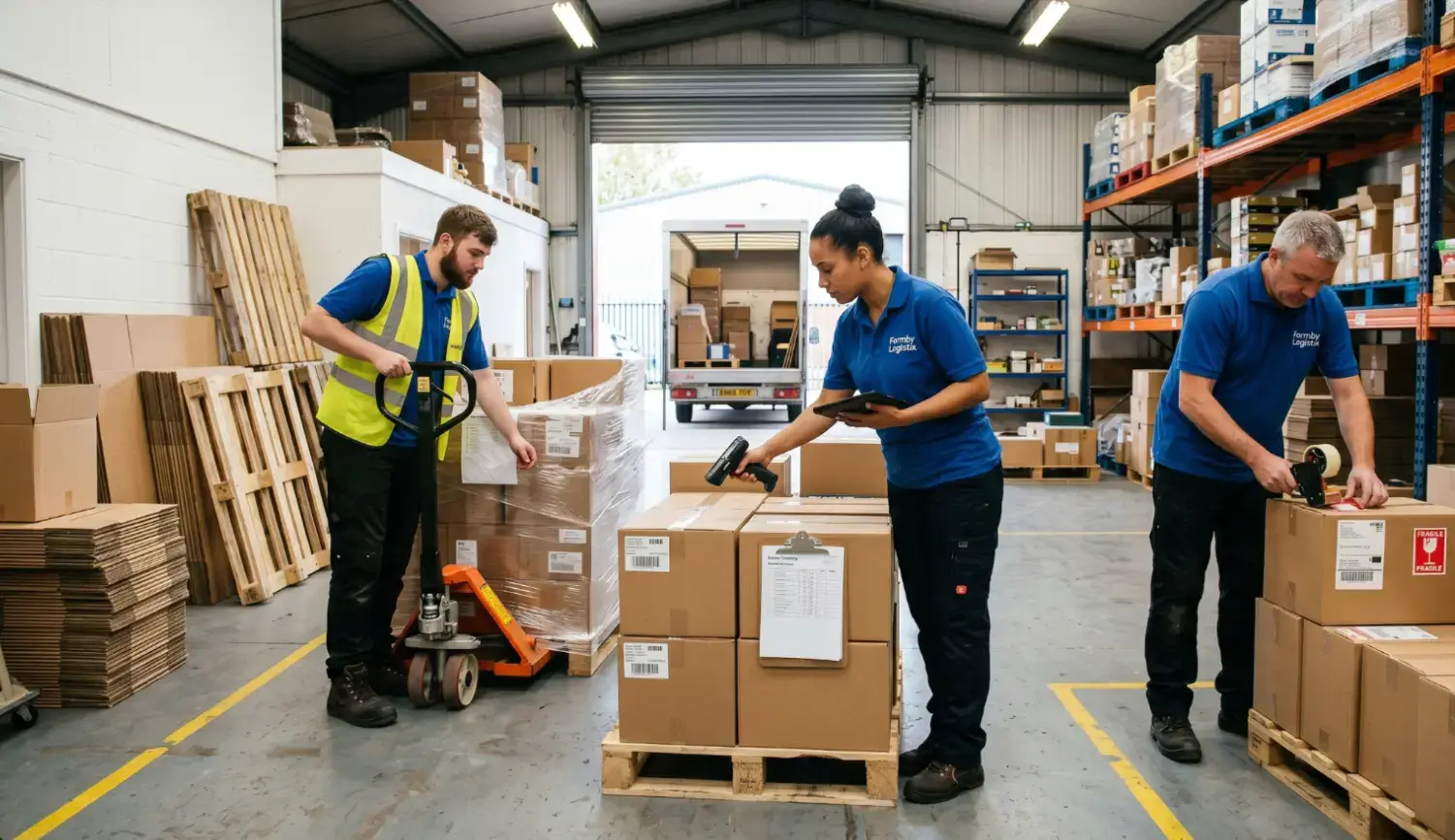
Modern customer expectations are heavily influenced by large e-commerce platforms. This has created a new standard across all industries.
Customers now expect:
- Real-time tracking updates
- Accurate estimated delivery times
- Clear communication throughout the process
- Fast issue resolution
- Transparent service updates
Why Delivery Is Now Part of the Customer Experience
A report by DispatchTrack found that delivery visibility has a direct impact on customer satisfaction, particularly for large item shipments.
For SMEs, this is important because delivery experience is now part of the brand experience. Customers judge reliability not only by product quality but also by how smoothly delivery is handled.
Why Small Businesses Can Outperform Larger Competitors
Although logistics can be challenging, SMEs do have advantages over larger organizations.
Large companies often prioritize efficiency and scale. Smaller businesses can focus more on responsiveness and personalised communication.
This becomes especially valuable in freight and pallet delivery, where customers often need reassurance and updates.
A customer is more likely to remember how a problem was handled than the problem itself. This creates an opportunity for smaller businesses to build stronger relationships through better service.
Building Logistics Systems That Support Long-Term Growth
Benefits of Investing in Logistics Early
As businesses expand into e-commerce, wholesale, and larger product categories, logistics becomes a core part of growth strategy.
Companies that invest early in reliable systems often experience:
- Higher customer satisfaction
- Fewer operational disruptions
- Improved profit margins
- Stronger brand reputation
- Easier scaling during growth periods
Businesses that delay improving logistics often face increasing inefficiencies that slow down expansion.
Operational Excellence as a Competitive Advantage
A quote often used in supply chain research from McKinsey & Company summarises this well: “Operational excellence is no longer optional; it is a competitive requirement.”
5 Practical Ways SMEs Can Improve Logistics
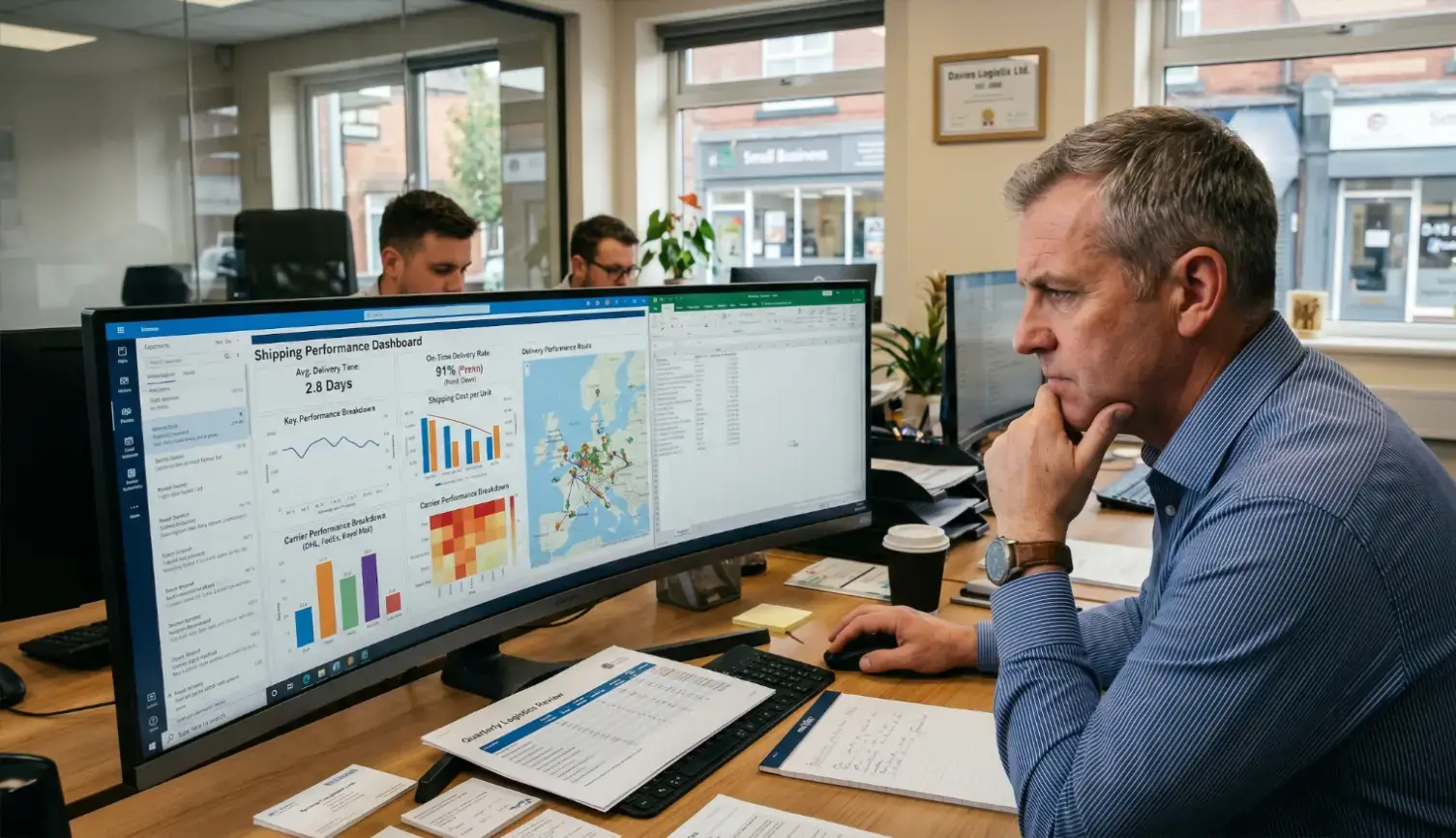
Businesses can strengthen their delivery performance through several practical actions:
1. Track Delivery Performance
Monitor delays, damages, and failed deliveries to identify recurring issues.
2. Improve Customer Communication
Clear updates reduce frustration and build trust even when problems occur.
3. Prioritize Reliability Over Cost
The cheapest option is rarely the most sustainable long-term.
4. Build Scalable Processes
Systems should be able to handle growth without breaking down.
5. Treat Logistics as Part of the Customer Experience
Delivery is part of how customers perceive your brand.
Scaling With Confidence Starts Behind the Scenes
Small businesses don’t scale faster through sales and marketing alone. Growth becomes sustainable when the systems behind the business are strong enough to support increased demand.
Logistics plays a central role in that process. Reliable delivery helps protect customer trust, reduce operational pressure, improve margins, and create a smoother experience from purchase to fulfilment.
When logistics is treated as an afterthought, growth can quickly expose weaknesses. But when it’s treated as part of the wider business strategy, it becomes a driver of long-term success.
For SMEs, the goal is to build a delivery process that customers can rely on and businesses can scale with confidence. Ultimately, the companies that understand this early are often the ones best placed to grow faster.
Frequently Asked Questions
Why does logistics matter so much for small businesses?
Logistics matter because it directly affects customer satisfaction, operational costs, and a business's ability to scale without disruption.
What is the biggest logistics challenge for SMEs?
Managing cost, reliability, and communication while order volumes increase and shipments become more complex.
How can SMEs reduce delivery problems?
SME’s can reduce delivery problems by improving communication, choosing reliable carriers, and tracking delivery performance consistently.
Is cheaper shipping always better?
No, cheaper shipping often leads to higher hidden costs such as delays, damages, and customer churn.
How does logistics impact customer loyalty?
Customers are more likely to stay loyal when deliveries are reliable, transparent, and well-communicated.

Author Bio
Richard Collins is a business and e-commerce content writer specialising in logistics, operations, and digital growth strategy. He helps SMEs understand how to scale efficiently through better systems and customer experience.