
If you’ve ever tried to run an ecommerce business at scale, you’ve probably encountered time management issues.
Setting up a store, handling products, and everything in between can seem endless. It’s nearly impossible for a single person to handle all the nuances of building an e-commerce platform.
Today, we’ll examine why a mobile app is important for your e-commerce site and how you can create a free e-commerce app.
Most Used Apps in eCommerce
- Shopify Mobile
- Google Analytics
- WordPress
- POWR Suite
- Hootsuite
Let’s go into more detail about each of these popular eCommerce platforms.
1. Shopify Mobile: The simplest way to review inventory changes

Source: Gearment
Shopify is, by far, one of the most popular e-commerce platforms, and its application enables anyone to accept payments, fulfill orders, manage inventory, track sales, and create new products.
Furthermore, if there are any disputes or chargebacks, Shopify can streamline the process through its Shopify checkout apps.
2. Google Analytics: Best app for gathering data

Source: RED technology
If anyone aims to track page views and interactions alongside additional data such as click rates, Google Analytics is one of the best tools for the job.
Used correctly, this data enables anyone to determine which parts of their website and marketing strategy drive the highest conversion rate.
3. WordPress: Exceptional for bloggers
Source: Hostinger
A vast majority of websites are built with WordPress. WordPress is open-source software that allows anyone to use its content management system (CMS), written in PHP.
This makes it an exceptional tool for anyone who wants to update their website with blog posts, news, promotions, or campaigns.
WordPress is user-friendly and easy to modify through its plugin-based architecture, making it accessible to just about anyone—no matter their experience level.
4. POWR Suite: Best app for building an eCommerce platform
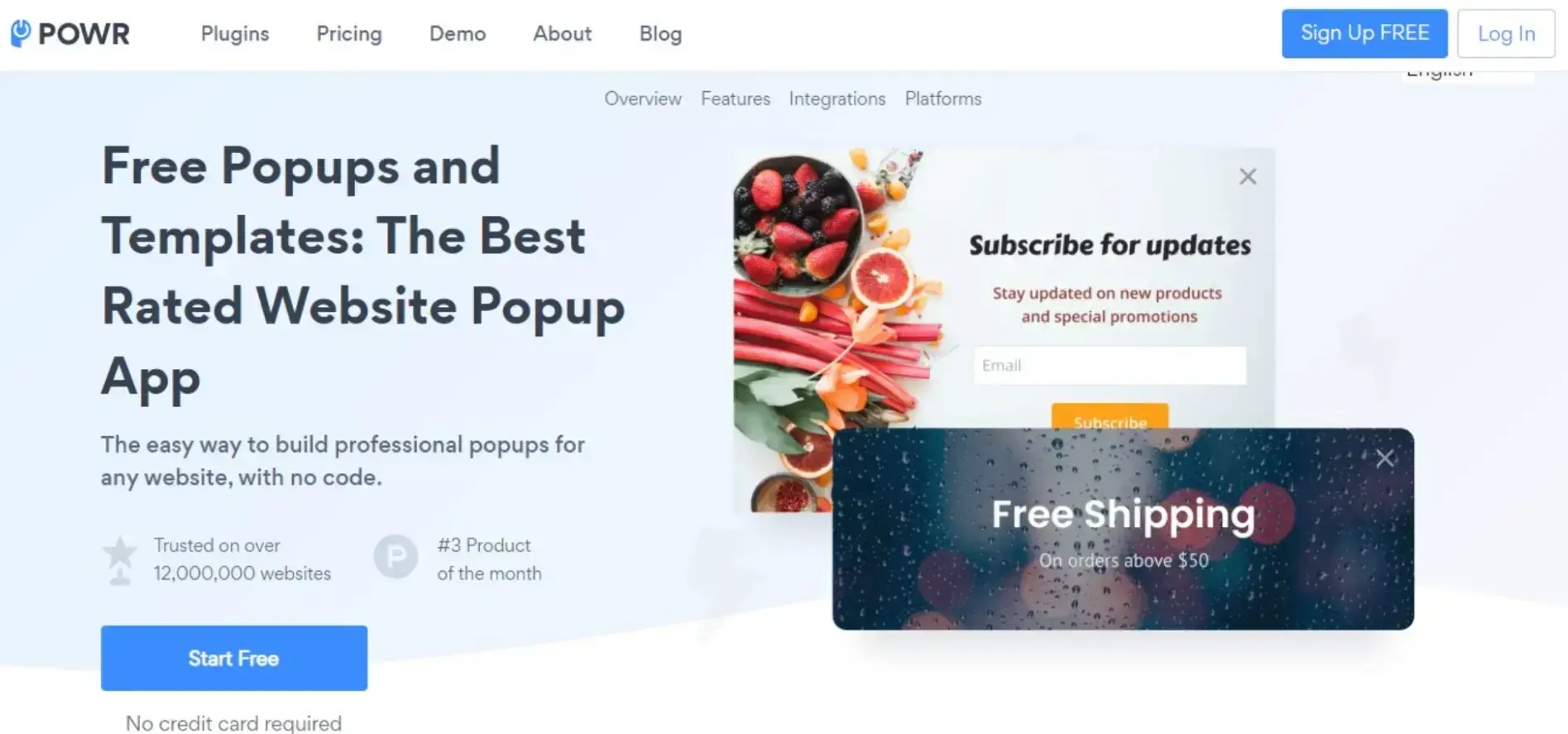
POWR aims to be an all-in-one solution that enables anyone to create and manage a platform from a single location.
POWR also features a free e-commerce application that lets users add products to their blog, enable online purchases, and create a personalized design.
By leveraging its functionality, business owners can gain valuable insights, drive more sales, and improve customer communication to build brand loyalty.
5. Hootsuite: Better social media management

Source: ADWEEK
No matter where an e-commerce website is built or hosted, there will come a time when business owners or managers want to automate or schedule their posts.
This is where Hootsuite shines, as it lets business owners see everything related to the media feeds of their e-commerce web app.
They can respond to comments, answer questions, schedule content, and monitor mentions—all from one centralized platform.
Why E-Commerce Can Be Difficult for Beginners
Building an online store, sourcing products, designing a user interface, marketing to a specific audience, and building traffic—the list of tasks involved in e-commerce can feel endless.
Fortunately, numerous technologies have been introduced to simplify this process and enable business owners to build their e-commerce platforms faster.
Every entrepreneur must take a critical step when creating an e-commerce store by leveraging pre-built applications.
Understanding whether e-commerce is a web app also helps business owners better grasp how e-commerce platforms work behind the scenes.
Choosing the Best App for eCommerce
We’ve reviewed some of the best applications for starting or running an e-commerce business. The app you choose will depend on your specific needs and the tools, plugins, or data you require.
Each app brings unique value—but for the most streamlined, efficient, and user-friendly experience, POWR is a strong all-in-one choice.
Frequently Asked Questions (FAQ)
1. What are the most commonly used apps for eCommerce businesses?
The most commonly used eCommerce apps include Shopify Mobile for store management, Google Analytics for performance tracking, WordPress for content management, POWR for adding sales and engagement features, and Hootsuite for social media scheduling and monitoring.
2. Why do eCommerce businesses need multiple apps?
Running an eCommerce business involves inventory management, marketing, analytics, customer engagement, and content updates. Using specialized apps for each function helps streamline operations, save time, and improve the overall customer experience.
3. Is Shopify enough to run an eCommerce business?
Shopify is a powerful eCommerce platform, but most businesses still rely on additional apps for analytics, email marketing, content creation, and social media management to scale efficiently and make data-driven decisions.
4. What is POWR used for in eCommerce?
POWR provides no-code tools like pop-ups, forms, countdown timers, media galleries, and eCommerce widgets that help store owners increase conversions, capture leads, and enhance on-site engagement without custom development.
5. What is the best app for beginners starting an eCommerce store?
For beginners, a combination of Shopify for selling, POWR for adding advanced site functionality, and Google Analytics for tracking performance provides a user-friendly, scalable starting point without requiring technical expertise.
