

So, you’ve collected leads on your website.
Now what? Whether you’re new to eCommerce or a seasoned expert, you’ve likely heard of a sales or marketing funnel.
This is your website visitor's journey from first coming across your business to becoming a customer. It usually looks something like this:
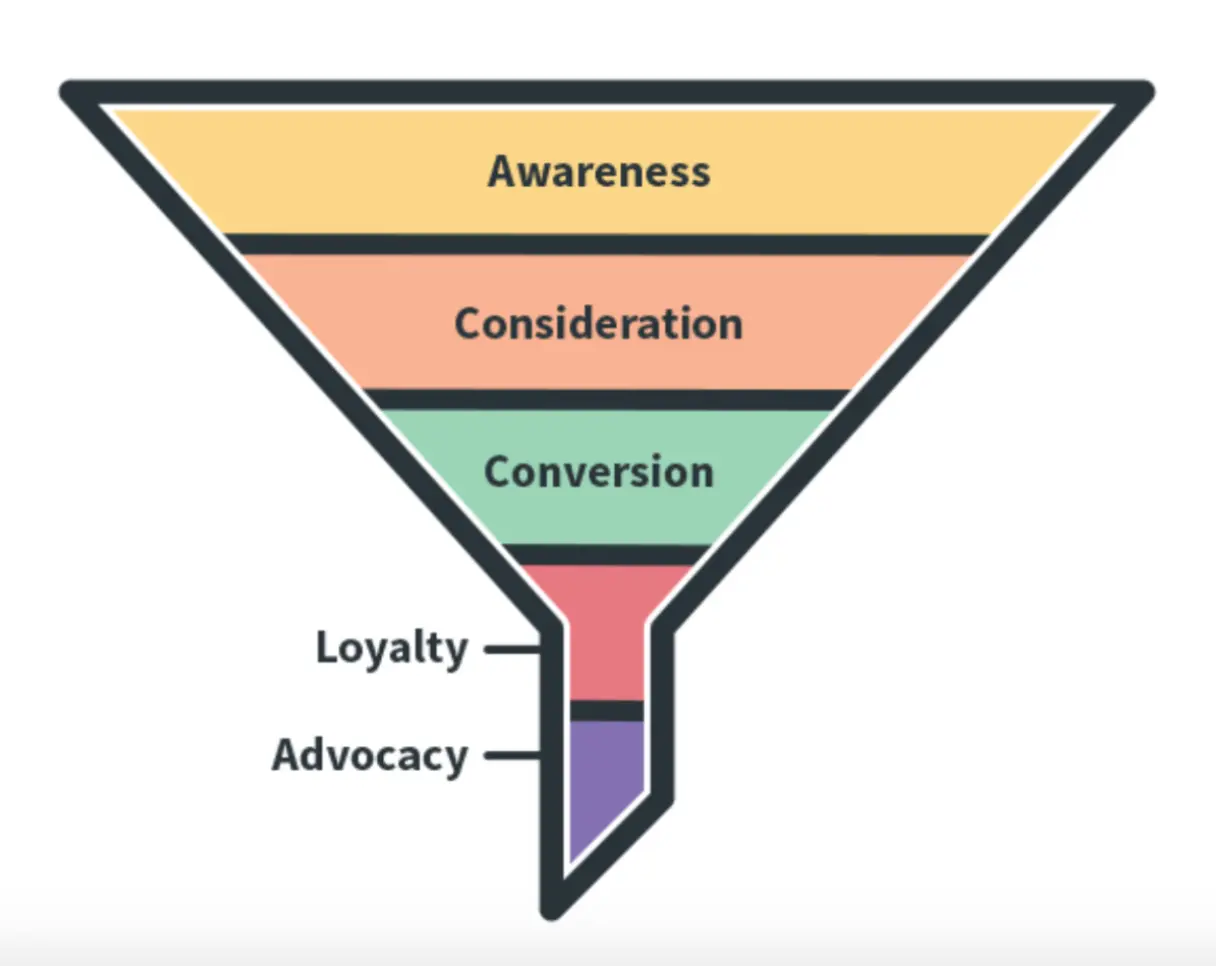
Source: Direct IQ
Once you’ve got customers ‘in the door’ using paid ads, word-of-mouth marketing, social media, or SEO, your next job is to convert them.
Once someone has landed on your website and you’ve collected their contact information, it’s vital that you follow up with them. Studies have shown that over 50% of qualified leads aren’t ready to buy.
So it’s imperative that you nurture them until they become a buyer.
Nurtured leads make 47% more purchases than leads you don’t nurture, and lead nurturing creates more loyal customers.
So, how do you nurture leads?
In addition, email marketing tools are generally less costly than advertising.
You can fully automate your email nurture campaigns, which means less work! Various tools can be used to set up an email drip campaign, and their prices depend on your contact list size.
An excellent option for growing businesses is Mailchimp, adding a form to your website with POWR Form Builder, and POWR Popup has a Mailchimp integration so that you can automatically sync new contacts to your email lists in Mailchimp.
Why is this important? So every new lead you collect using a POWR Form or Popup will automatically be enrolled in your email nurture campaign without you having to do anything.
Other email marketing tools include HubSpot, EngageBay, Constant Contact, SendGrid, and Drip.
If you’re still evaluating your options, Email Software Insights provides independent reviews and comparisons of email marketing platforms.
With POWR Contacts, you can export your centralized contact list and import it into your chosen email marketing tool to nurture your leads.
So, how do you write a good email nurturing campaign?
Here are three quick tips:
- Segment Your Email Lists
- Write Varied Content
- Get Personal
1. Segment Your Email Lists
It doesn’t necessarily make sense to send the same email to everyone on your email list.
Segmented emails generate up to 760% more revenue, so it’s worth investing in.
If you’re unsure where to start, the top 3 email lists you should create are: new subscribers, abandoned carts, and repeat customers.
Send content as personalized as possible, and you can segment it further depending on their actions.
2. Write Varied Content
No matter what you write, it would help to aim to provide value. You also want to ensure you’re not overly promotional and that your email content fits into different categories.
This could include free educational resources, PDF downloads, product reviews, and industry news.
You want your emails to stand out in your leads’ inboxes, so try to be educational or offer them something meaningful. Make sure every email has a strong call to action, too.
3. Get Personal
If you know their first name, use it! You can capture that information using POWR Popup or Form Builder in your POWR Contacts list, so make sure you use it in your email communication.
You can take it a step further if you know which product they clicked on or added to their cart, or if your lead capture form requested more information, make sure you use that information to personalize the content you send to your leads.
Personalized emails result in 6x higher transactions, so it pays to get personal!
Conclusion
Want more tips on how to collect leads? Read the article below.
 Mick Essex