

In today's in-demand online market, a well-planned marketing strategy is imperative for all businesses. From the beginning, it is essential to define the intended market.
This strategy is commonly known as behavioral marketing, which uses data from user interactions such as clicks, page views, and purchase history to deliver more personalized and relevant marketing experiences.
Moreover, incorporating modern technology, this article covers every element of the most effective online marketing strategy.
What Is Behavioral Marketing?
Behavioral marketing is a digital marketing strategy that tracks and analyzes user behavior to deliver personalized content, offers, and messaging.
Instead of sending the same message to all users, behavioral marketing uses data such as:
- pages visited
- products viewed
- clicks and interactions
- purchase history
- time spent on site
This data helps businesses understand user intent and tailor marketing campaigns accordingly.
For example, if a user browses a product page but does not complete a purchase, a business might send a follow-up email or display a targeted offer.
Why Behavioral Marketing Is Important
Behavioral marketing has become essential for modern digital marketing strategies.
Higher conversion rates
Personalized marketing messages are more relevant and increase the likelihood of conversion.
Better customer experience
Users receive content and offers that match their interests and needs.
Improved marketing efficiency
Businesses can focus on high-intent users instead of broad audiences.
Data-driven decision making
Behavioral insights help marketers refine campaigns and strategies.
1. Identifying Your Ideal Audience

Source: Venngage
The first step is to determine the people you wish to reach. This is the foundation of your marketing plan. Knowing who your ideal customer is helps personalize the messages you send out and identify the most efficient channels to advertise.
Begin by constructing buyer personas filled with insights on your customers’ preferences, pain points, and demographics.
Discover more about your client base through surveys, polls, and social media insights. Understanding your customers' demographics ensures that your marketing efforts are relevant, engaging, and effective.
2. The Process of Creating a Vocational Online Presence
Your website could be the first thing potential customers see when they visit your business. It should appear professional, easy to navigate, and mobile-friendly.
Your website should also be fast, responsive, user-friendly, and effectively communicate your business values.
To build trust with your customers, regularly update your content and ensure that your website is secure. A beautiful, functional site not only attracts visitors but keeps them coming back.
3. Mastering Search Engine Optimization (SEO)
Source: Venngage
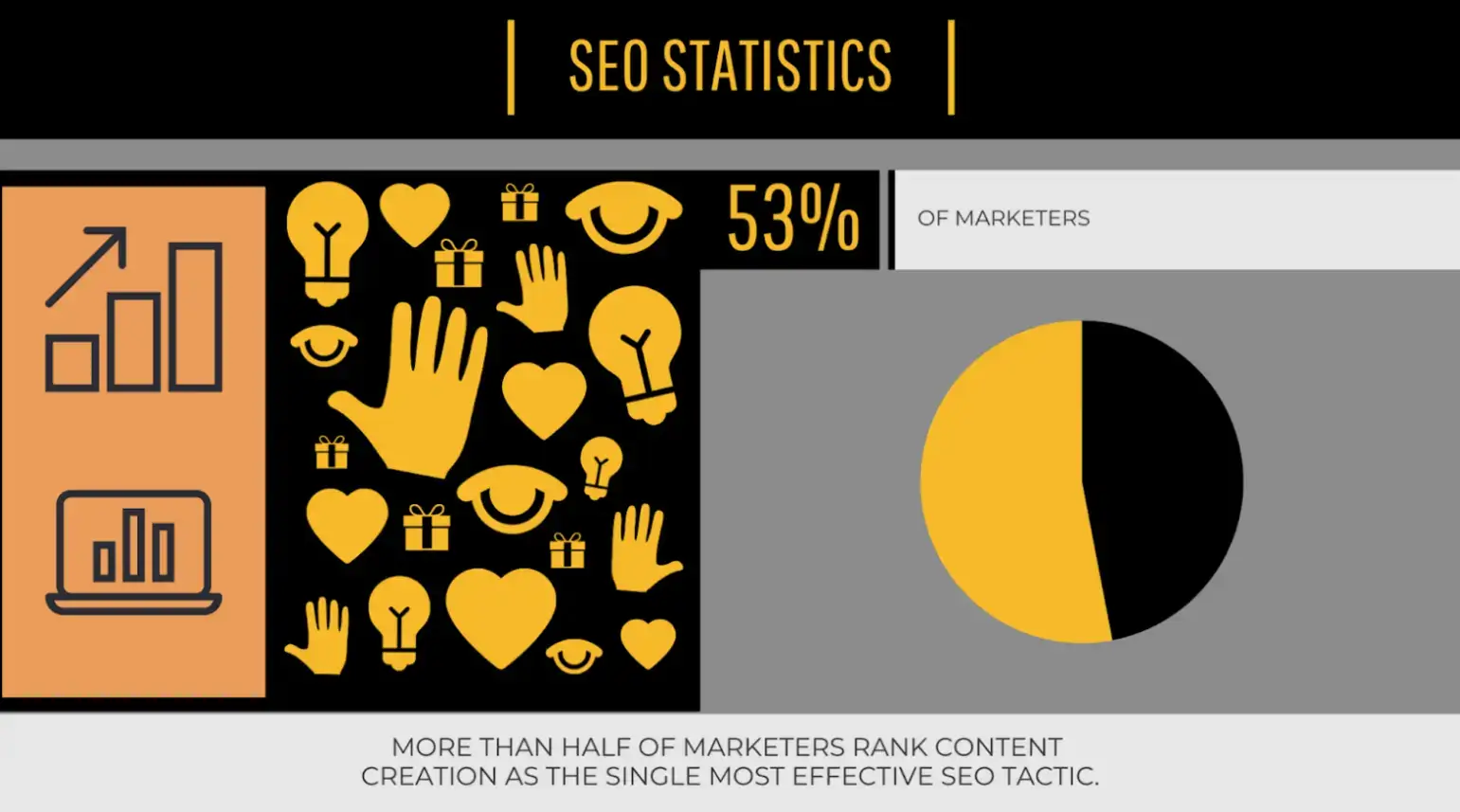
Good SEO is essential to ensure your website ranks higher in search results.
If you want to rise in Google rankings, make sure your site’s content, structure, and technical elements are optimized.
Perform keyword research to identify search terms used by your target audience and incorporate them naturally into your content.
To further improve SEO, optimize your meta tags, titles, and images.
Building high-quality backlinks from reliable websites will boost your site’s authority. Regularly monitor your performance using tools like Google Analytics and adjust your strategies to stay ahead of competitors.
If you’re new to marketing, consider engaging a SaaS marketing agency.
4. Utilizing Pay-Per-Click (PPC) Advertising
Pay-per-click (PPC) advertising is an effective way to drive targeted traffic to your website. Paying only for the time that someone opens your ad, you assure effective use of your budget for marketing.
PPC platforms such as Google Ads and social media allow precise targeting based on demographics, interests, and search behaviors.
Monitor and regularly optimize your campaigns to improve effectiveness and return on investment.
PPC marketing delivers fast, tangible results, making it one of the best strategies for increasing web traffic and generating leads.
Use Google Ads and Facebook Ads to focus on specific locations, demographics, or interests. Create compelling visuals and copy to capture attention and drive clicks.
5. Leveraging Cross-Web User Tracking with Timeline Makers and Templates
Cross-web user tracking is a key digital marketing strategy that monitors users' behavior across platforms and websites.
Marketers can visualize user journeys and analyze interactions using timeline makers and timeline templates. These tools help refine campaigns for greater personalization and more targeted advertising.
By providing a full overview of user activity, these tools make it easier to adapt strategies and increase overall marketing efficiency.
6. Using Social Media to Its Fullest Potential
Source: Venngage
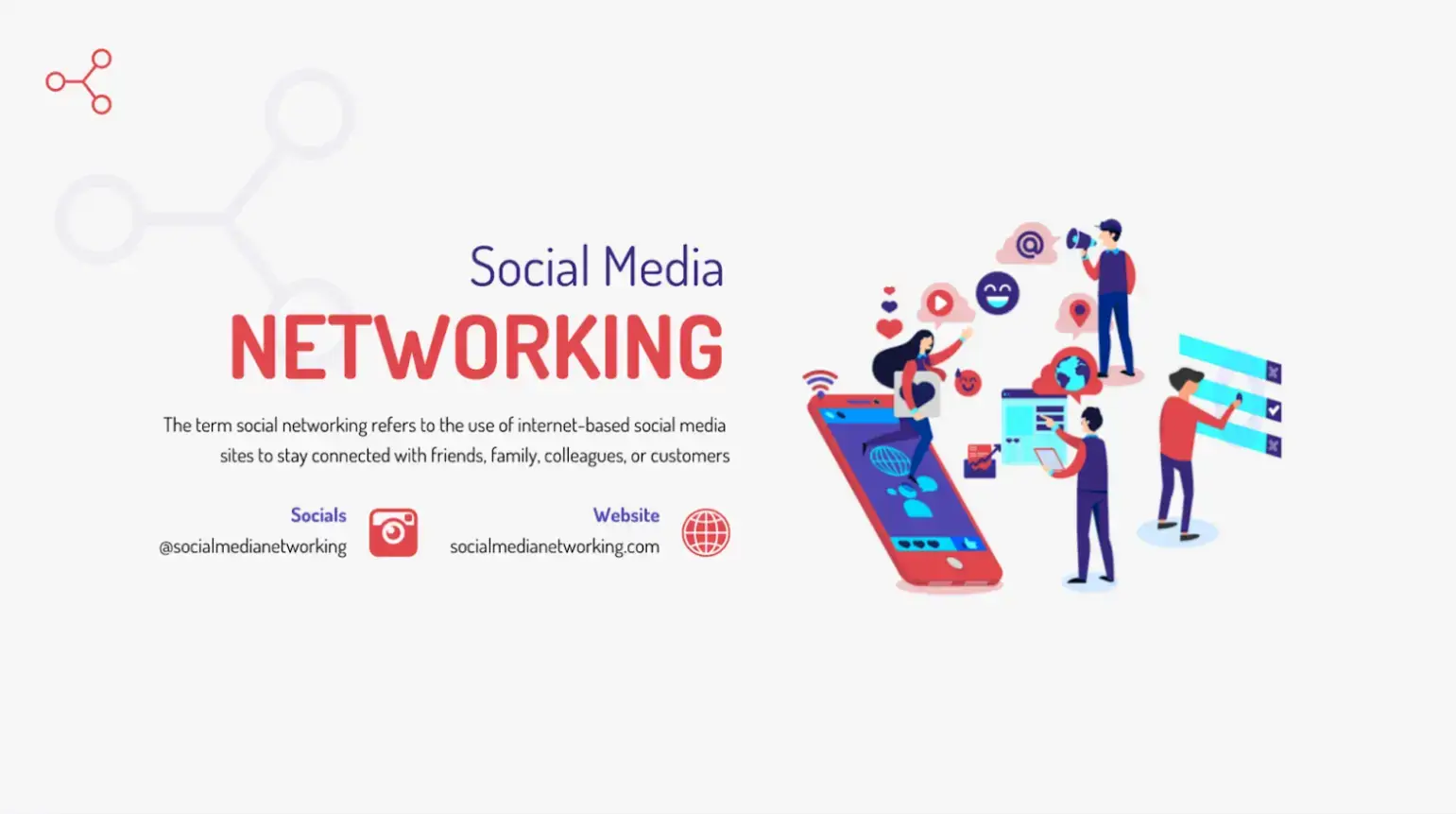
Leverage social media to build brand recognition and maintain engagement.
Create profiles on major platforms such as Facebook, Instagram, Twitter, LinkedIn, and TikTok, and post valuable, engaging content regularly.
Expand your reach using both organic and paid promotions. Engage actively with your audience by responding promptly to comments, messages, and mentions.
Social media analytics tools can help you track performance and determine the best times to connect with your audience.
7. Developing an Effective Email Marketing Campaign
Source: Venngage
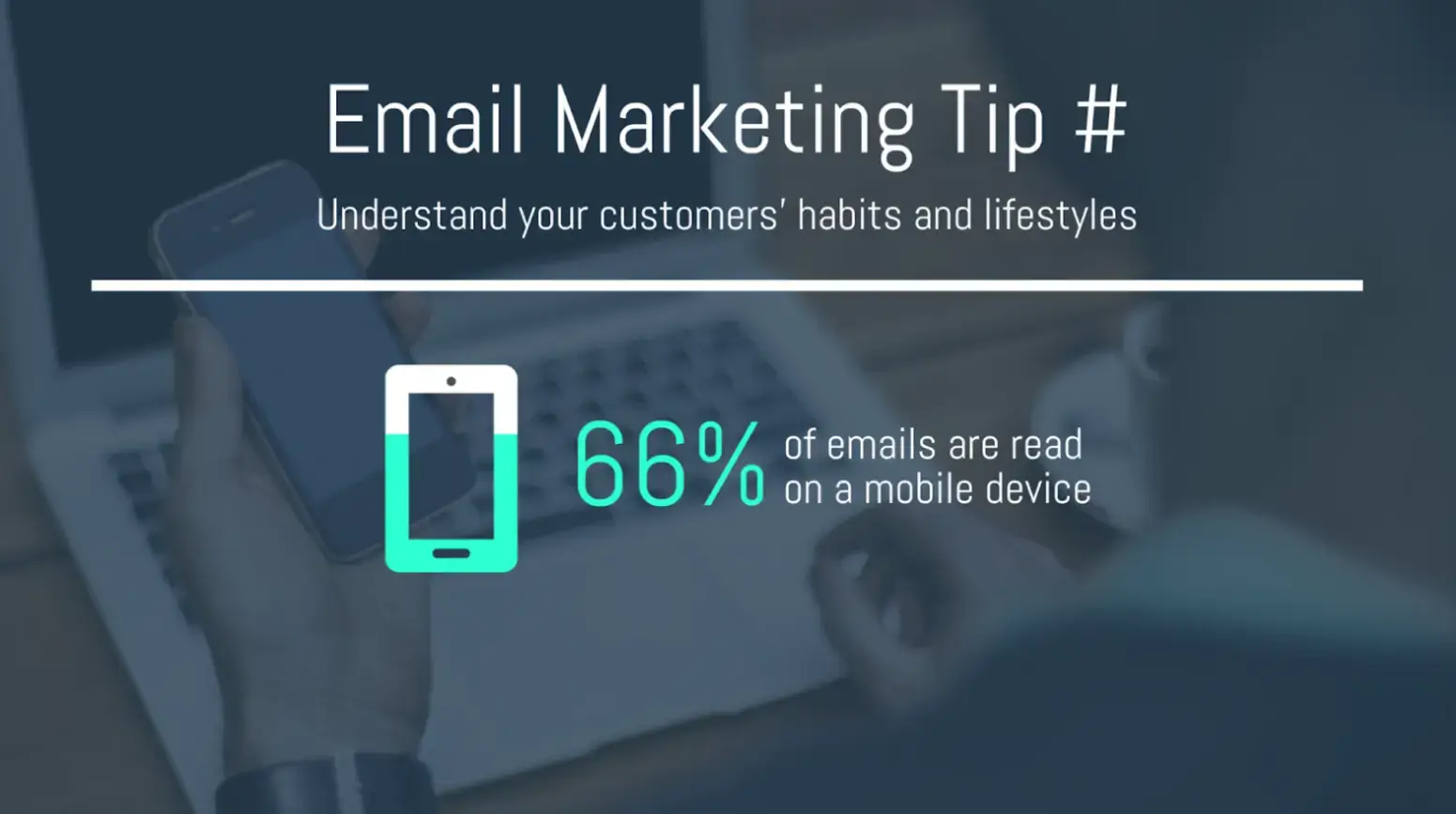
Email marketing remains one of the most effective tools for building relationships with your target audience.
Follow best practices and explore different types of email marketing to enhance your strategy.
Build an email list by offering incentives such as discounts or exclusive content. Segment your audience by habits and preferences to send targeted messages.
Use email template creators to create engaging, relevant content for your audience, such as promotions, newsletters, and product updates. Use email automation to send timely messages such as cart reminders and birthday greetings.
8. Engaging through Content Marketing
Content marketing involves creating and sharing valuable, relevant, and consistent material to attract and engage a specific audience.
Build a strategy that includes blogs, videos, infographics, podcasts, audio advertising, and more.
Focus on addressing customer problems and offering actionable solutions. High-quality content establishes your authority and builds trust with your audience.
Promote your content through email, social media, and guest posts. Track engagement metrics to measure success and adapt your approach to maintain relevance and effectiveness.
9. Managing Your Online Reputation
Your online reputation can greatly influence your business success.
To enhance your reputation management efforts, utilizing tools like brand monitoring software can help you track and analyze brand sentiment across digital channels, enabling you to respond to feedback and effectively manage your brand’s reputation.
Publishing positive content about your business helps improve your image and build trust with potential customers.
10. Insights into Trends: The Future of Digital Marketing
The future of digital marketing will be highly personalized and data-driven.
With advancements in AI and machine learning, marketers can predict consumer behavior more precisely and deliver personalized content.
Short-form video will continue to dominate social platforms, while voice search and AR-driven shopping experiences will shape engagement strategies.
Overall, the focus will be on creating memorable, tailored customer experiences.
Benefits of Behavioral Marketing for Small Businesses
Include:
- personalization without big budgets
- improved lead quality
- better targeting
This captures:
- behavioral marketing benefits
- marketing personalization for small business
Examples of Behavioral Marketing
Ecommerce product recommendations
Online stores suggest products based on browsing or purchase history.
Abandoned cart emails
Customers who leave items in their cart receive reminder emails.
Retargeting ads
Users see ads for products they previously viewed.
Personalized website content
Returning visitors may see customized homepage content.
Tools Used for Behavioral Marketing
Businesses use various tools to track and analyze user behavior.
Website analytics tools
Tools like Google Analytics track user interactions and behavior patterns.
CRM systems
CRM platforms store customer data and enable segmentation.
Marketing automation tools
These tools automate personalized campaigns based on user behavior.
Conversion tools
Popups, forms, and lead capture tools help collect user data and trigger actions.
Behavioral Marketing vs Traditional Marketing
| Behavioral Marketing | Traditional Marketing |
|---|---|
| Personalized messaging | Broad messaging |
| Based on user data | Based on assumptions |
| Dynamic and adaptive | Static campaigns |
Behavioral marketing focuses on individual user behavior, while traditional marketing targets larger audiences.
Let’s Wrap Up
Implementing a comprehensive digital marketing strategy requires understanding your target audience, building a strong online presence, and leveraging multiple marketing channels such as SEO and PPC.
Email marketing, social media, content marketing, and reputation management all contribute to an effective growth-driven approach.
Staying aware of emerging trends will keep your business agile and competitive. Use these tips to elevate your digital marketing efforts and achieve your goals.
Frequently Asked Questions
1. What is the marketing strategy that tracks user behavior?
This strategy is known as behavioral marketing, which uses user data to personalize marketing messages.
2. How does behavioral marketing work?
Behavioral marketing tracks user actions such as clicks, page views, and purchases to deliver targeted content and offers.
3. What tools are used for behavioral marketing?
Common tools include analytics platforms, CRM systems, and marketing automation software.
4. Is behavioral marketing effective?
Yes. Behavioral marketing improves engagement and conversion rates by delivering personalized experiences.

Author Bio
Hey, it’s Muhammad Aqeel, the Link Building Coordinator at Venngage. I’ve worked as a link-building and outreach expert for 3 years, with additional experience in data analysis and multiphysics CFD.
I’ve collaborated with diverse clients through freelancing, which taught me the importance of maintaining strong connections and active listening.
I hold a bachelor's degree in Mechanical Engineering and a master's in Energy.