

Growing a business online is more challenging in today's ever-evolving digitalized world.
Every eCommerce business is experimenting with different tactics to increase brand awareness, build a community, and generate high profits amid hundreds of competitors.
E-commerce website builders have played an important role in creating e-commerce websites in a professional manner. Business owners may or may not be tech-savvy, but they can still create an effective website for their business.
Among hundreds of strategies, influencer marketing has gained significant traction. By leveraging the power of influencer marketing, building a loyal community, and growing ecommerce sales, it becomes more effortless than ever.
In this article:
- What is Influencer Marketing?
- Benefits of Influencer Marketing for E-Commerce
- Get Started with E-Commerce Influencer Marketing
- Finding the Right Influencers for E-Commerce
- 4 Challenges of Influencer Marketing in eCommerce
In this article, we will discuss ecommerce trends in influencer marketing as part of your broader marketing strategy. Please leave your thoughts or questions in the comments!
What is Influencer Marketing?
Influencer marketing is a relatively new marketing strategy that involves collaborating with people with a significant, highly engaged following on social media.
Platforms such as Instagram, YouTube, and TikTok are most notable for being used by social media influencers.
They have the ability to significantly sway the opinions and behaviors of their legions of followers, which makes it such a desirable marketing channel.
When executed effectively, influencer marketing can be a very valuable addition to any e-commerce marketing strategy.
Benefits of Influencer Marketing for E-Commerce
Every marketing strategy has its own uniqueness, and here are a few things that set influencer marketing apart from the crowd.
Improves credibility and trust
One of the best things about influencers is that they already have a following that trusts and values their validation.
So, their followers see it as a reliable, credible recommendation when an influencer talks about anything on their profile, whether a product or service.
So, with an influencer talking about your product, thousands of people trust them (and you). It increases your e-commerce sales and converts your followers' followers into your own.
Boosts visibility and reach
Since influencers have thousands of followers, collaborating with them can eventually lead to increased brand awareness, which could have taken a lifetime with traditional marketing.
Then, you can reap all the benefits in one go if one of their posts about your brand goes viral.
For instance, in 2021, Dunkin' Donuts, the largest coffee and donut brand, bagged huge profits by leveraging its influencer marketing strategy.
They created a campaign under the hashtag #CharliXDunkinContest, which was promoted by some of the most popular social media influencers.
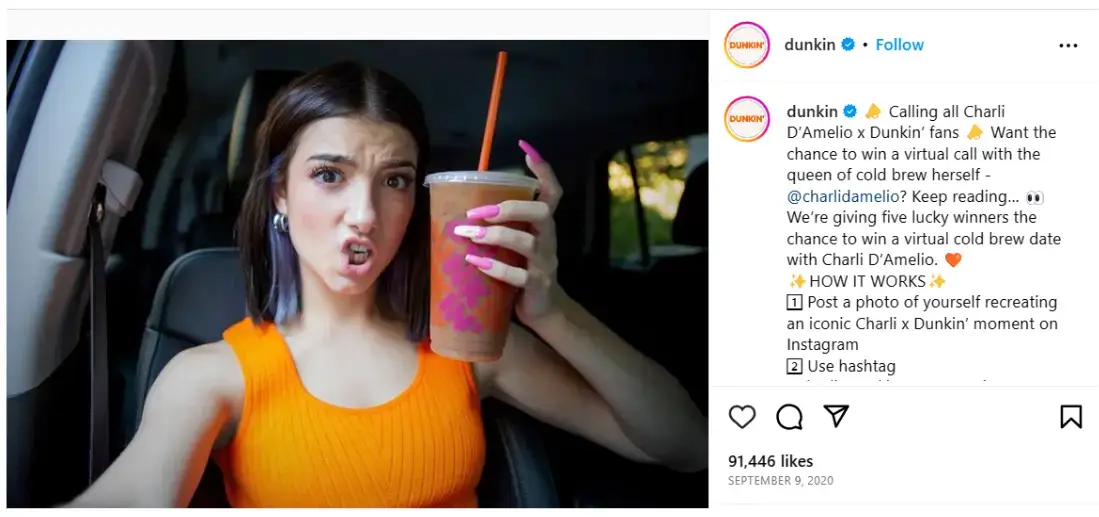
The influencers' authentic endorsements improved the brand's visibility and engagement and surged their cold brew sales by 45%, leading to a 57% increase in app downloads.
Authenticity in marketing
While people do not appreciate advertisements, they definitely look up to recommendations, especially from their favorite influencers.
So, it does not look like an ad when an influencer talks about your product or service, but more like an endorsement that resonates better with their audience.
That is why influencer marketing works way better than online advertisements, making it one of the most authentic forms of advertising.
Engagement and interaction
Influencers are also known for keeping their audience engaged with stories and comments. By doing this, they can encourage intriguing conversations about the products they promote.
Therefore, these active conversations and interactions can attract more visitors to your website and encourage them to explore other items.
For example, in 2022, Inkbox, a semi-permanent tattoo company, launched a gifting campaign to boost brand awareness and generate positive buzz around its new product launch.

So, the company signed a contract with 200 creators to promote their product. Finally, they achieved 800K+ in reach through influencer marketing in 3 months.
Get Started with E-Commerce Influencer Marketing
Like other marketing strategies, influencer marketing also involves the same steps to build an effective marketing plan that helps boost sales, including.
Set clear goals
Understanding your online goals is the foundation of everything you do online. Set clear and actionable goals for your influencer marketing campaign.
Be it boosting sales, increasing brand awareness, or building a loyal community. Doing so helps you identify the target influencer.
Identify relevant influencers
Depending on your objectives, niche, target audience, and brand values, you can select the ideal influencer for your marketing campaign.
Micro-influencers can help you boost sales, while macro-influencers can assist you in building brand recognition.
So, take your time and look for someone who can fully resonate with your brand and goals.
Establish mutually beneficial relationships
Once you identify your ideal influencer, reach out with a clear proposal outlining how this collaboration would benefit both of you.
Talk, listen, and discuss with them to finalize the contract. The most crucial thing is to create a situation where both of you benefit.
Track and analyze performance
You must monitor the campaign's performance daily to identify the best- and worst-performing content pieces, so you can adjust them for upcoming launches.
Examine the results of your influencer marketing efforts with tracking tools and statistical data.
For instance, in 2021, the travel brand Make My Trip launched a campaign under the hashtag #OneTripAtATime, encouraging people to take a New Year's Eve trip at the end of 2020.
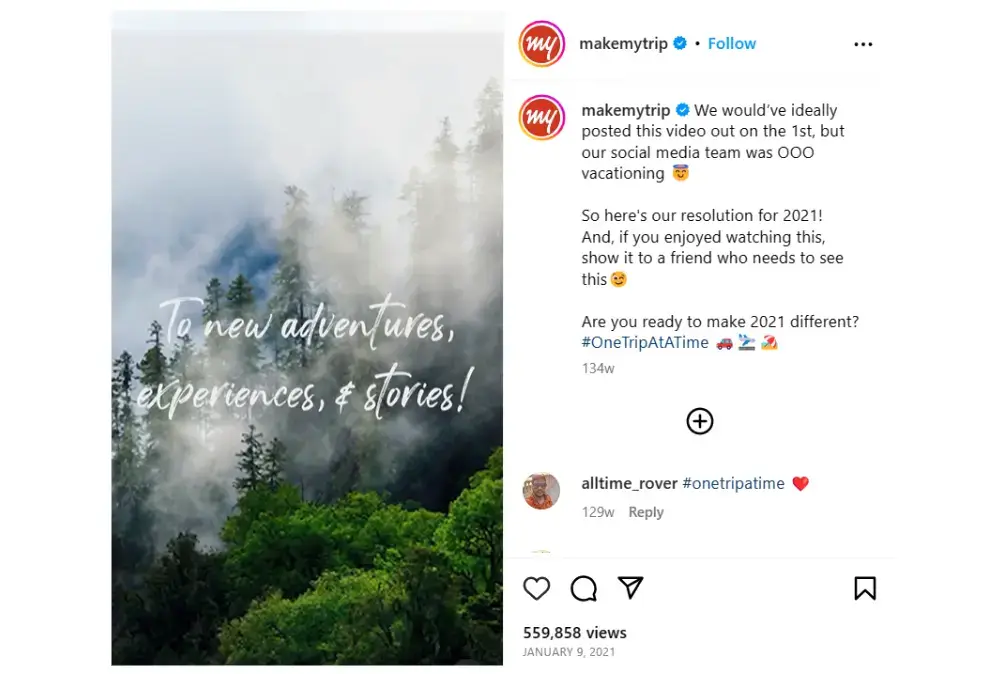
So, they created an IGTV video and asked the featured influencers to post it on their stories with the question, "How would they not like the upcoming years to be like 2020?"
Soon, this campaign became a massive success in India, garnering millions of impressions and views.
Finding the Right Influencers for E-Commerce
Picking the right influencer for your influencer marketing campaign can be a game changer. Some metrics you should always look at before finalizing the face of your campaign include:
Relevance
The influencer's content should align with your brand's niche and target audience. Look for someone familiar with the types of services or products you offer.
For instance, to sell a digital marketing course, check social media managers or other marketers in this domain.
Reach and engagement
One crucial metric is the reach and engagement rates of their social media posts. Evaluate the size of the influencer's following and the level of engagement they get.
A higher number of followers only sometimes guarantees better results. So, focus on engagement rates as well.
Authenticity
Research the influencer's previous collaborations to ensure they have a history of promoting products in your niche with integrity.
If those turned out well, there's a higher chance that yours will too.
Authenticity is an essential component of your brand's reputation. Choosing the wrong influencers or targeting the wrong audience can affect it.
Audience demographics
A thousand followers come from different backgrounds. So, understand the demographics of the influencer's audience to ensure they match your target customer profile.
4 Challenges of E-Commerce Influencer Marketing
There are a few challenges you should consider before implementing influencers into your digital marketing campaigns:
1. Fake followers and fake influencers
There are influencers who may be buying fake followers, and you want to avoid them at all costs.
There are others who may give the appearance of being a true influencer, but they are not. Ensure that you check both these things before agreeing to any terms.
2. Measuring ROI (Return on Investment)
Determining ROI for the campaign can be challenging.
So, implement trackable links and use unique discount codes to measure the impact of the influencer's promotions. The more specific the better so you can understand intent and interest before investing further.
3. Finding the right fit
Identifying influencers who align with your goals and brand can be time-consuming. So invest time to find the best. Be sure and select someone who's content is reflective and useful for your ideal customer.
4. Budget constraints
Influencer marketing costs vary widely depending on an influencer's reach and popularity. For cost-effective campaigns, negotiate with influencers.
Conclusion
Influencer marketing emerged as the most reputable and trustworthy marketing tactic after hundreds of tried-and-tested approaches, especially for companies aiming to increase their e-commerce sales and brand recognition.
With the power of influencers, you can easily connect with your targeted audience and create the brand of your dreams. Adopt this innovative approach to stay on top in today's competitive e-world.
Frequently Asked Questions about Influencer Marketing for eCommerce
1. How do I know if influencer marketing is right for my eCommerce business?
If your target audience is active on social media platforms and engages with influencers, then influencer marketing can be highly effective. It’s especially useful for building brand awareness and trust, and for driving conversions through authentic recommendations.
2. What is the difference between micro-influencers and macro-influencers?
Micro-influencers typically have smaller but highly engaged audiences, making them ideal for niche targeting and higher conversion rates. Macro-influencers have larger audiences and are better suited to broad-reach and brand-awareness campaigns.
3. How can I measure the success of an influencer marketing campaign?
You can track success using metrics such as engagement rates, website traffic, conversions, and ROI. Using unique discount codes, trackable links, and analytics tools can help you accurately measure performance.
4. How much does influencer marketing cost?
Costs vary widely depending on the influencer’s reach, niche, and engagement level. Some influencers may accept free products, while others charge fixed fees or performance-based commissions. It’s important to align your budget with your campaign goals.

Author Bio
Mona is a content marketing specialist with over 4 years of experience, currently working at SaaSit.in to create engaging and effective content for various SaaS companies. She likes researching topics related to B2B and SaaS. Email her: Mona@saasit.in