

Today, no business can thrive without a website. Sometimes, it serves as an informative platform detailing the company's products and services, while at other times, it functions as a complete online store.
Creating a website incurs costs, including development expenses, domain and hosting fees, and content creation. When using a free website builder, you invest your time instead.
Generating revenue from your website allows you to cover its upkeep expenses and potentially earn extra income, which could eventually evolve into your major source of earnings.
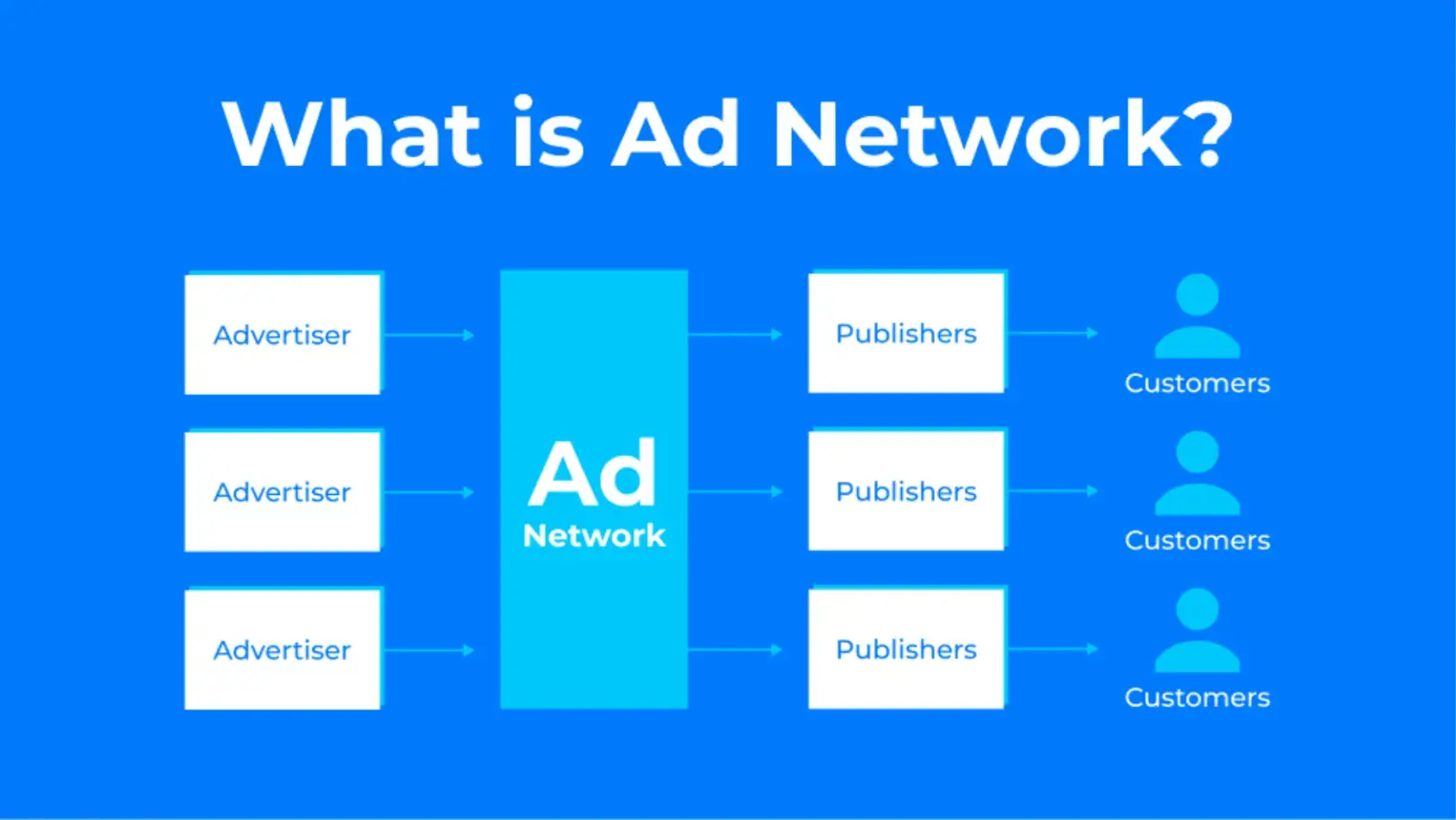
At the core of this digital economy are advertising networks, which serve as the bridge connecting publishers seeking revenue and advertisers targeting their desired audiences.
In this article:
- Monetization in the Digital Age
- Current State of Ad Networks
- Trends and Innovations
- Future Directions and Potential Developments
Upon their inception, ad networks introduced relatively novel real-time bidding methods to media conglomerates.
Smaller enterprises, alongside industry frontrunners, have broadened their scope to offer advertisers an accessible Cost Per Mille (CPM) monetization model, bridging the gap between them and publishers.
Monetization in the Digital Age
Website monetization encompasses various methods of earning income from your site through its visitors.
Many of these strategies involve advertising, such as displaying banners or featuring partner articles.
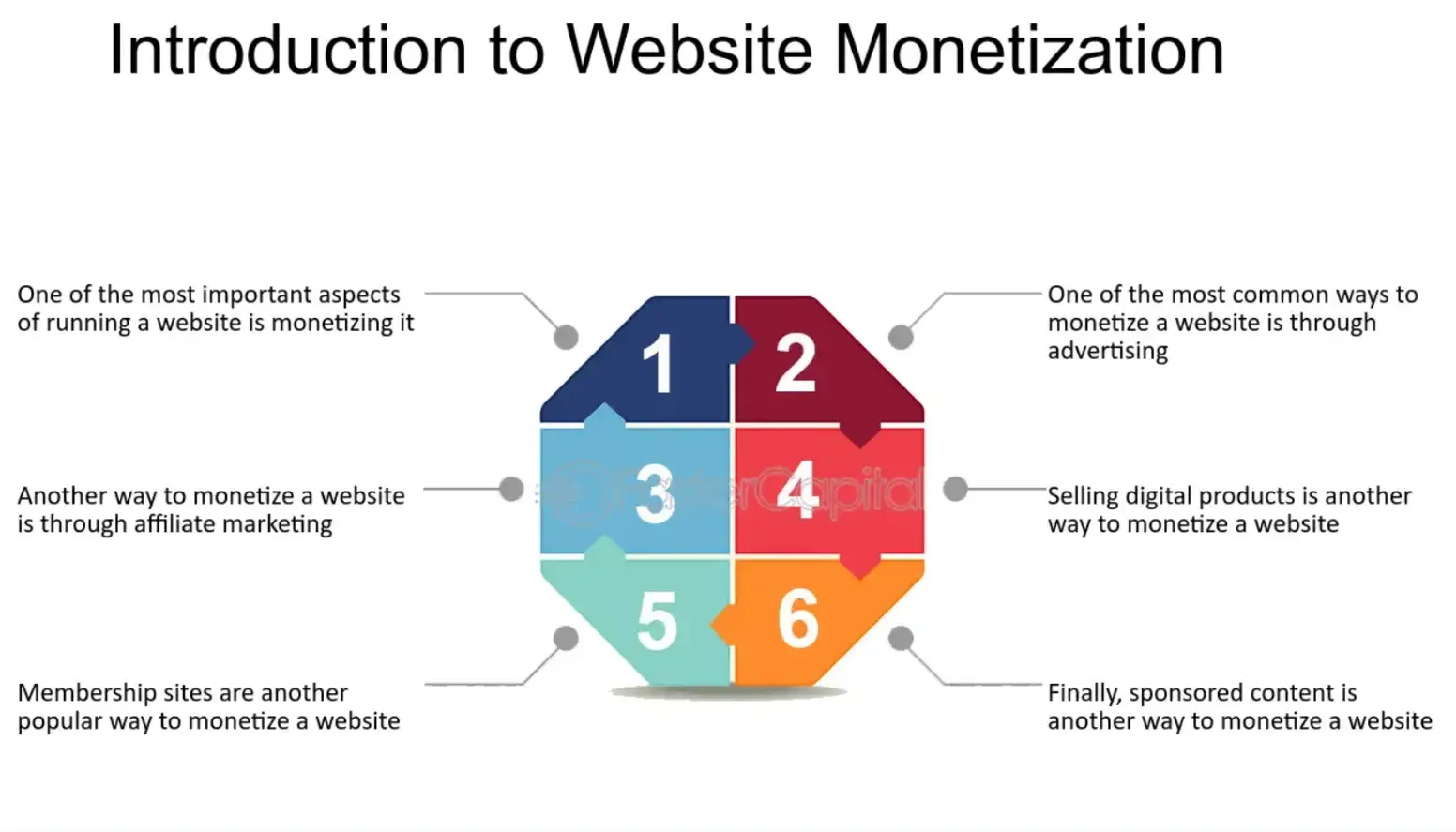
Monetization is like the lifeblood of websites. It allows them to grow and develop, essentially providing an opportunity to generate revenue from online content.
Advertisers show their ads, publishers earn money from them, and users see ads for potentially interesting products.
Ad networks play a pivotal role in ensuring the continuity and mutual benefit of this symbiotic relationship.
These are platforms where advertising space can be displayed, such as a market counter, for advertisers to use.
Current State of Ad Networks
The current landscape of ad networks is diverse and dynamic.
Conventional networks have transformed into advanced platforms that can precisely identify specific demographics, interests, and behaviors.
Any ad network consists of numerous ad publishers. But you should always pay attention to their quality rather than quantity.
As a rule, ad networks specify a long list of ad inventory or ad publishers assigned to it.

For example, Google AdSense remains a dominant force, providing publishers access to a diverse range of advertisers through its extensive network.
However, it's worth noting that Google AdSense isn't the sole ad network available; several of the highest-paying ad networks also offer favorable terms for publishers.
Trends and Innovations
The world of digital marketing doesn't stand still. It moves forward at the first speed, if not faster.
Therefore, new trends arise and disappear as quickly as circles on the water.
However, some trends have become a constant in digital marketing. If you're going to monetize any of your content, you're bound to come across some of these.
Programmatic advertising
Perhaps everyone, at least once in their lives, has encountered programmatic advertising in one role or another.
A small business when running ads for their Instagram page, the owner of a popular blog when learning how to monetize their work, or anyone when seeing ads on the Internet.
It allows you to target the audience with amazing accuracy across a variety of parameters and provides the opportunity to make transactions instantly or privately with specially selected participants.
Programmatic advertising is the main and most convenient tool for everyone whose business is at least a little connected to the Internet.
AI-driven optimization
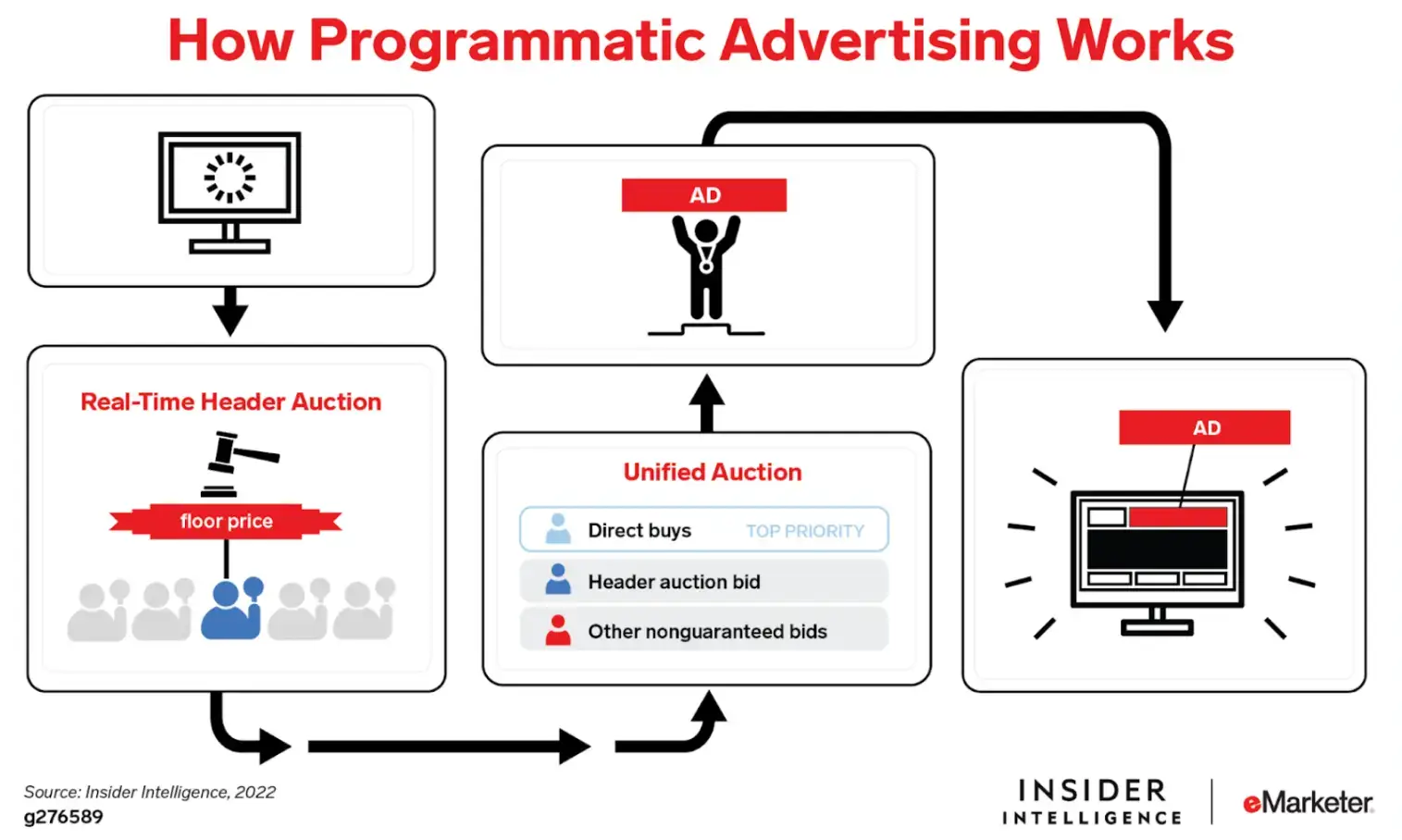
Artificial Intelligence (AI) is revolutionizing ad optimization strategies, enabling advertisers to achieve precise targeting and personalized ad experiences.
Predictive analytics algorithms analyze large datasets to forecast user behavior, empowering advertisers to refine ad creatives and allocate budgets more efficiently.
Dynamic Creative Optimization (DCO) harnesses AI to deliver personalized ad experiences instantly, customizing content based on user demographics and browsing patterns.
Automated campaign management also enhances operations by streamlining tasks such as bid optimization, improving campaign efficiency and scalability.
Real-time bidding (RTB)
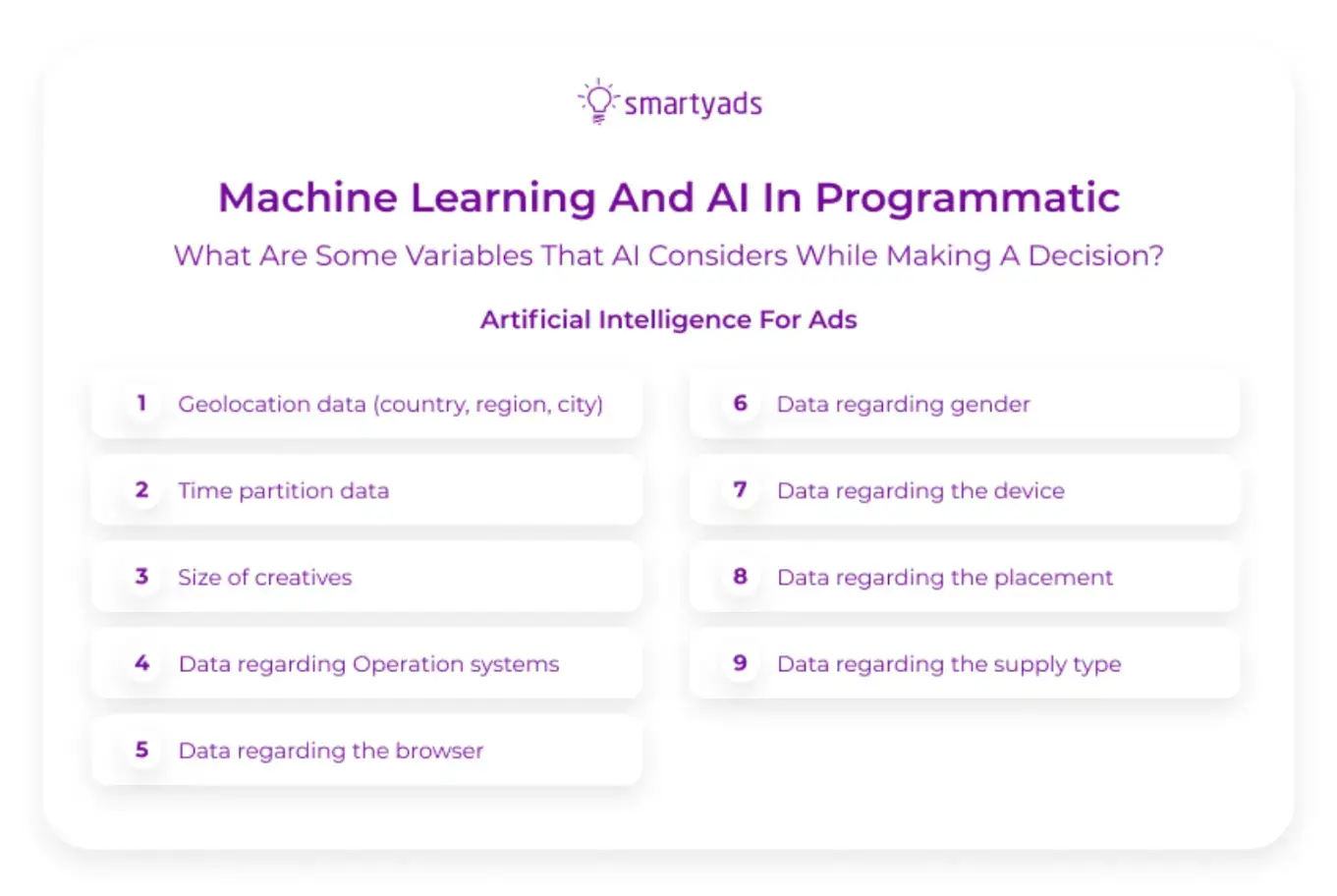
Real-time bidding technology is the heart of programmatic advertising. This technology makes it possible to transact ad space in moments.
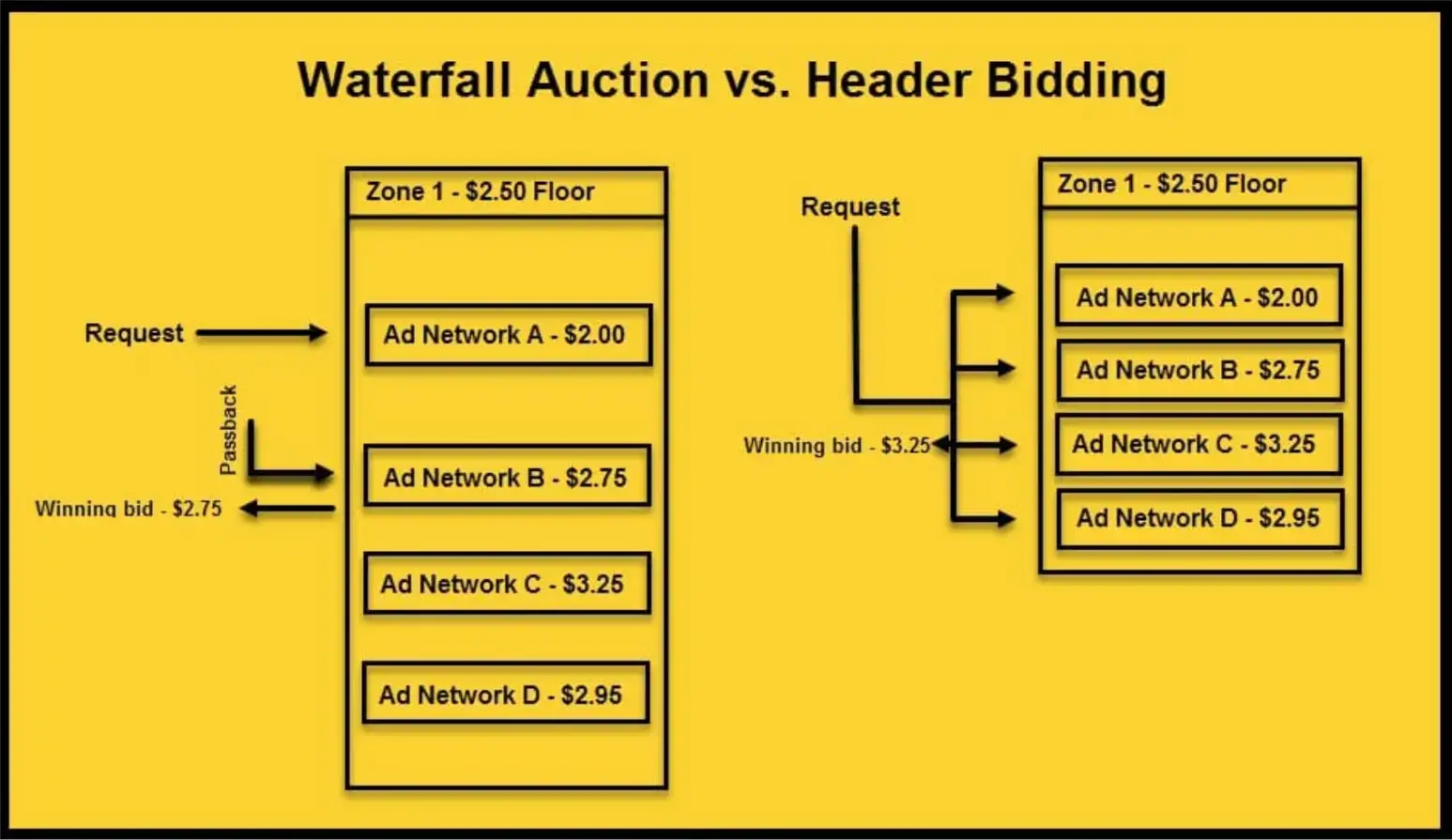
Modern platforms utilize Header Bidding, which greatly increases the efficiency and fairness of display ads compared to outdated waterfall systems.
Real-time bidding also has several other advantages, which we will not discuss here.
The main thing to remember is that it is a complex system, thanks to which the existence of programmatic advertising as we know it is possible.
Future Directions and Potential Developments
Today's trends help ad networks exist and evolve; let's take a peek into the future to see what might be next.
AR and VR integration
By and large, it's already happening. Virtual and augmented reality technologies are widely used in digital advertising right now.
However, for ad networks, this could be an opportunity to improve targeting and engagement of the right users.
AI everywhere
Of course, artificial intelligence can help here, too. As well as in improving targeting.
AI technologies may enable us to create hyper-targeted campaigns with greater precision, which will benefit publishers by helping users see the ads they personally want to see.
Actually, AI is already being used in marketing campaigns.
IoT integration
In the coming years, substantial growth is expected in the top-tier ad networks.
With the proliferation of connected devices and the expansion of the Internet of Things (IoT), these networks will dynamically adapt to novel channels and formats.
Blockchain solutions
The rise of blockchain technology holds exciting potential for ad networks, particularly in combating ad fraud and promoting transparency in advertising transactions.
Blockchain-based solutions can revolutionize ad impression authentication and transaction execution, helping establish a robust, efficient advertising ecosystem.
Key Takeaways
Monetizing your website can be a great extra income for your business. Choosing a good ad network depends not only on how much you want to get from each display ad on your website.
The caliber of the inventory offered should be a pivotal consideration, alongside the chosen monetization terms tailored to your particular requirements.
It's imperative to research ad networks thoroughly and stay abreast of the latest trends in digital advertising.
This domain is evolving swiftly, with new technologies emerging daily that can substantially bolster your business growth in a relatively brief timeframe.
FAQ
1. What is an ad network and how does it work?
An ad network connects publishers (website owners) with advertisers looking to display ads. It aggregates available ad space from multiple publishers and matches it with advertiser demand, often using technologies like programmatic advertising and real-time bidding (RTB) to automate transactions.
2. What is programmatic advertising?
Programmatic advertising is the automated buying and selling of digital ad space using software and algorithms. It enables advertisers to target specific audiences in real time, optimizing campaigns based on user behavior, demographics, and browsing patterns.
3. How is AI changing ad networks?
AI improves ad targeting, personalization, and campaign optimization. It analyzes large datasets to predict user behavior, automate bidding strategies, and dynamically adjust ad creatives. This results in better performance for advertisers and higher revenue potential for publishers.
4. What trends will shape the future of ad networks?
Key emerging trends include AI-driven personalization, advancements in real-time bidding, AR/VR advertising formats, IoT integration, and blockchain solutions to combat ad fraud and increase transparency. These innovations aim to make advertising more efficient, secure, and engaging for users.
