

In the bustling digital marketplace, e-commerce store owners constantly seek ways to stand out, attract customers, and foster lasting relationships. A well-designed customer loyalty program is one of the most powerful tools in your arsenal.
*Updated 05/07/2025
Far more than just a discount scheme, effective loyalty programs for e-commerce can significantly boost customer retention, increase average order value, and turn casual shoppers into passionate brand advocates.
This guide will walk you through why they're crucial, the popular types, and how to launch a loyalty program that truly resonates with your US-based e-commerce customers.
TL;DR: Boosting Your E-commerce Success with Loyalty Programs
- Why Bother? Loyalty programs increase customer retention (which is cheaper than acquisition), boost lifetime value, encourage repeat purchases, and provide valuable customer data.
- Popular Loyalty Program Types: Points systems, tiered rewards, VIP clubs, and value-based programs are effective for e-commerce. Personalization is key to making them shine.
- Make it Work: Define clear goals, choose the right program type for your brand, make it simple to understand and use, promote it effectively, and continuously track its performance.
- The Payoff: A well-executed loyalty program is an investment that builds a stronger customer base, drives sustainable growth, and gives your e-commerce store a competitive edge.
Shortcuts
- Why Loyalty Programs are No Longer a "Nice-to-Have" for E-commerce
- Popular & Effective Loyalty Programs for E-Commerce Stores
- Key Ingredients for a Successful E-commerce Loyalty Program
- Getting Started: Implementing Your E-commerce Loyalty Program

1. Why Loyalty Programs are No Longer a "Nice-to-Have" for E-commerce
In today's competitive e-commerce landscape, acquiring new customers is increasingly expensive. Smart store owners recognize that focusing on retaining existing customers offers a more sustainable path to growth. Loyalty programs for e-commerce are a cornerstone of this strategy.
The High Cost of Customer Acquisition vs. RetentionIt's a well-established marketing principle: acquiring a new customer can cost five to twenty-five times more than retaining an existing one (sources vary, but the sentiment is consistent across studies by firms like Bain & Company and publications like Harvard Business Review).
Loyalty programs directly address this by incentivizing repeat purchases.
As Frederick Reichheld of Bain & Company, the Net Promoter Score (NPS) creator, puts it, "Loyalty is not won by being first. It is won by being the best." A loyalty program is a way to demonstrate you're the "best" choice for your repeat customers.
Boosting Customer Lifetime Value (CLTV)Loyal customers buy more often and tend to spend more over time. By rewarding their continued patronage, you significantly increase their CLTV, a critical metric for long-term e-commerce success.
Increasing Average Order Value (AOV)Many loyalty programs encourage customers to spend more to reach the next reward threshold or unlock a special perk, thereby increasing their AOV.
Gaining Valuable Customer InsightsLoyalty programs provide a wealth of data on customer preferences, purchasing habits, and engagement levels. This information is invaluable for personalizing offers, refining marketing strategies, and making smarter inventory decisions.
Building Brand AdvocatesHappy, loyal customers are likelier to recommend your brand to friends and family. Some loyalty programs even directly incentivize referrals, turning your best customers into an effective, low-cost marketing force.
2. Popular & Effective Loyalty Programs for E-Commerce Stores

Choosing the right type of loyalty program depends on your brand, products, and customer base. Here are some popular and effective models for e-commerce:
Points-Based Systems: The Classic ApproachCustomers earn points for specific actions, such as making purchases, writing reviews, or sharing on social media. These points can be redeemed for discounts, free products, or other rewards.
- Best for: Businesses looking for a simple, widely understood system.
- Pro-Tip: Make point values and redemption options clear and appealing. Consider offering bonus points for higher-value actions.
Customers unlock increasing levels of benefits and exclusivity as they spend more or engage more frequently. Each tier offers progressively better rewards.
- Best for: Encouraging sustained engagement and making customers feel valued as they "level up."
- Pro-Tip: Ensure the benefits of higher tiers are genuinely attractive and aspirational.
Often a paid membership, these programs offer significant, exclusive benefits to members, such as free shipping, early access to sales/products, or special members-only discounts.
- Best for: Brands with a strong following that can justify a membership fee with high-value perks. Amazon Prime is a prime example (pun intended!).
Instead of direct discounts, rewards might involve donations to charity for every purchase, or supporting ethical sourcing. This resonates with customers who prioritize social responsibility.
- Best for: Brands with a strong ethical or community focus.
- Pro-Tip: Be authentic and transparent about your chosen causes.
Incorporates game-like elements such as badges, leaderboards, challenges, and surprise rewards to make participation more engaging and addictive.
- Best for: Brands targeting younger demographics or those wanting to inject more personality into their loyalty efforts.
While sometimes a standalone strategy, referral incentives can be powerfully integrated into broader e-commerce loyalty programs. Reward existing customers for bringing in new ones, and often provide a discount to the new customer as well.
- Best for: All e-commerce businesses, as word-of-mouth is incredibly powerful.
3. Key Ingredients for a Successful E-commerce Loyalty Program
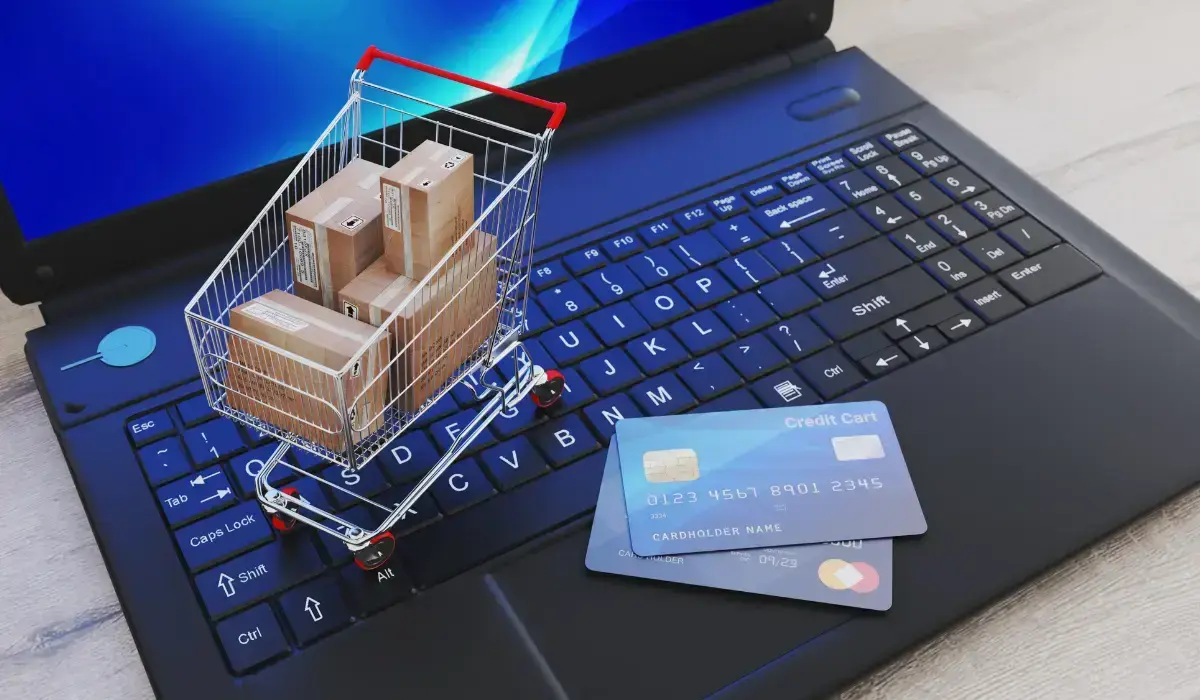
Launching a loyalty program isn't just about picking a type, but strategic execution.
Understand Your Audience & Define Clear GoalsWhat motivates your customers? What behavior do you want to encourage (e.g., more frequent purchases, higher AOV, more reviews)? Your goals will shape your program's structure.
Offer Tangible and Desirable RewardsThe rewards must be perceived as valuable. Generic discounts might work, but consider exclusive products, early access, free shipping, or personalized experiences.
According to a report by Accenture, more than 90% of companies employ some form of customer engagement or loyalty program, highlighting the need for your rewards to stand out.
Simplicity is Key: Make it Easy to Understand and ParticipateIf your program is too complicated, customers won't engage. Clearly explain how to earn points/rewards and how to redeem them.
Seamless Integration & User ExperienceYour loyalty program should integrate smoothly with your e-commerce platform (e.g., Shopify, BigCommerce, WooCommerce). Customers should be able to track their status and redeem rewards without friction easily.
Promote, Promote, Promote!Don't just launch your program; actively promote it across all your channels – website banners, email marketing, social media, and even post-purchase confirmations.
Track, Analyze, and OptimizeMonitor key metrics: enrollment rate, redemption rate, repeat purchase rate of members vs. non-members, and overall ROI. Use this data to refine and improve your program over time.
4. Getting Started: Implementing Your E-commerce Loyalty Program

Ready to launch? Here’s a simplified roadmap:
- Define Objectives: What do you want to achieve? (e.g., increase customer retention by X%, boost AOV by Y%).
- Know Your Customers: What rewards would truly excite them? (Surveys can help!)
- Choose Your Program Type: Select a model that aligns with your brand and objectives (points, tiers, VIP, etc.).
- Select a Technology/Platform: Many e-commerce platforms have built-in loyalty features or integrate with specialized loyalty apps (e.g., Yotpo, Smile.io, LoyaltyLion). Research options that fit your tech stack and budget.
- Design Your Rewards Structure: Make it attractive yet sustainable for your business.
- Plan Your Launch & Promotion: How will you announce and continuously market your program?
- Launch, Monitor, and Iterate: Go live, track performance closely, and don't be afraid to make adjustments based on data and customer feedback.
5. Conclusion: Invest in Loyalty, Reap the Rewards
In the dynamic world of e-commerce, customer loyalty is a precious commodity. Implementing a well-thought-out loyalty program for your e-commerce store is no longer an option but a strategic imperative.
It's an investment in building stronger customer relationships, fostering repeat business, and creating a thriving, resilient brand.
By understanding your customers, offering genuine value, and making participation seamless, you can transform casual browsers into loyal advocates who will champion your store for years to come.
6. Frequently Asked Questions About E-commerce Loyalty Programs
What are the best loyalty programs for e-commerce businesses just starting out?
For new e-commerce stores, simple points-based systems or a basic tiered program are often easiest to implement and manage. Focus on clear value and easy redemption. As you grow, you can add more sophisticated features.
How do I measure the success of my e-commerce loyalty program?
Key metrics include: customer retention rate (members vs. non-members), repeat purchase frequency, average order value (AOV) of members, redemption rates, customer lifetime value (CLTV) growth, and overall program ROI.
Are loyalty programs still effective for e-commerce in 2025?
Absolutely. With increasing competition and ad costs, loyalty programs for e-commerce are more critical than ever for retaining customers, generating new revenue, increasing their lifetime value, and differentiating your brand. Personalization and unique rewards make them even more potent.
How much does it cost to implement a loyalty program for an online store?
Costs vary widely. Some e-commerce platforms offer basic loyalty features for free or at a low cost. Dedicated loyalty software can range from $50/month to several hundred or more, depending on features and the size of your customer base.
Can small e-commerce businesses truly benefit from loyalty programs?
Yes! Loyalty programs help small businesses compete by fostering strong customer relationships and encouraging repeat business, often more cost-effective than constantly acquiring new customers. They also provide valuable data insights.
What's the first crucial step to creating a loyalty program for my e-commerce store?
The most crucial first step is to clearly define your objectives for the program (e.g., increase repeat purchases, raise AOV) and thoroughly understand what would genuinely motivate your specific customers to participate and remain loyal.
