

Some experts have asked whether or not eCommerce could continue to outpace traditional retail post-Covid. If you’re considering starting your eCommerce business in 2023, you’ll first need to consider the real costs.
There are many factors to consider when estimating costs. This article will outline some tips for estimating your start-up costs and how long it will take before you start making money in eCommerce.
In this article:
How to Get Started With Estimating eCommerce Costs
Why should you even start an eCommerce business? And why is estimating your costs so important? Believe it or not, 21% of Americans aren’t saving money.
Starting an eCommerce business can be a great way to help bolster your savings, but that’s only if you can manage your income and expenses properly.
Using free tools like Google Sheets to track these can be a great way to minimize recurring bills.
You may have already taken other measures to help increase your savings, such as choosing a limited liability company (LLC) structure for your online business because it's affordable and provides valuable asset protection.
LLCs are popular among modern entrepreneurs because of their flexibility and easy startup process.
Maybe you are already using online tools that can help you save more money, or you are trying to stay on budget to avoid overspending.
But these efforts can go to waste without a proper expense management strategy and an expense policy builder. This is why estimating your eCommerce business's cost is crucial.
Using free tools like Google Sheets to track these can be a great way to minimize recurring bills.
5 Main Segments of an eCommerce Business
Setting up an eCommerce business can be broken down into five main segments:
- Design
- Functionality
- Fulfillment
- Marketing
- Maintenance
Let's look at each of these 5 segments in more detail.
1. Design: Starting with a website

The first step, design, involves creating a website. Websites can cost anywhere from free to thousands of dollars, depending on your desired features.
Fiverr.com and Upwork allow you to hire independent contractors who can design a website for you. For detailed advice, you can refer to Remote's guide to hiring independent contractors.
When designing your website, you can use a free template, a premium template (usually $100-$200), or a custom template ($1000+). Hiring a web designer will considerably raise your costs depending on your desired features.
However, starting in eCommerce is best to keep things simple and stick to free services. Many websites allow you to start a website for free but then charge for more premium services.
By using pre-built services and platforms, you can avoid the costs of paying someone else to build an entire website for you. Another option is to consider using social media as your primary platform.
2. Functionality: Make sure you get paid

After selecting your website design, the next step is setting up the website’s functionality.
Some functions you might want to consider include social media integration, image galleries, or product reviews.
Many website-building tools come with plugins already. But, more sophisticated tools can add to your costs. Some plugins can be as little as $25, while others can be over $100.
Payment processing is one of the most important functions to include on your website. This may sound obvious, but ensuring you’re getting paid is crucial. In fact, 22% of all digital invoices were overdue in 2021.
One way to avoid this pitfall is to utilize digital payment services like Stripe and place a payment button directly on your website.
3. Fulfillment: Get your products moving
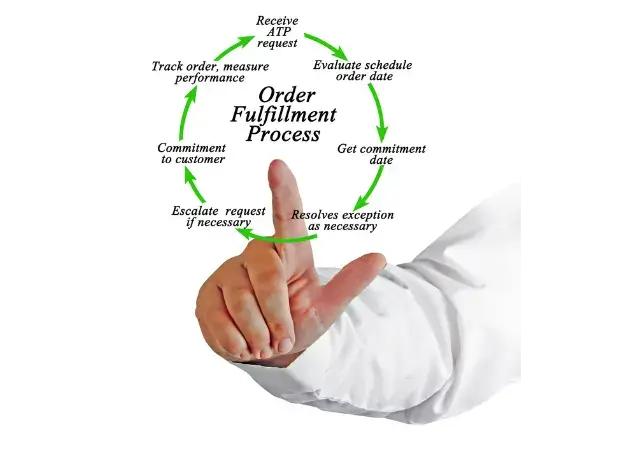
Fulfillment is the process of getting your eCommerce products out to your customers.
There are many ways to do fulfillment. One way is to handle it yourself. If you choose this option, you’ll be responsible for packaging and shipping products.
This means you must calculate packaging costs, i.e., filler, boxes, and shipping. Shipping is usually based on weight and speed.
Additionally, if you were forming and operating an LLC in New York, you would also need to consider the costs associated with shipping in-state or out-of-state.
Some entrepreneurs choose to outsource fulfillment using plugins. This can make a huge difference in delivery. Some services, like Shopify, offer automated fulfillment integration.
When a customer orders on your website, it is automatically routed to your supplier, who begins producing the order and then shipping it out.
While beneficial, these services are often costly or available only for certain products.
Sometimes these services come with an upfront cost and a fee for every order. Either way, understanding fulfillment is essential to estimating your eCommerce costs.
4. Marketing: Digital is your friend
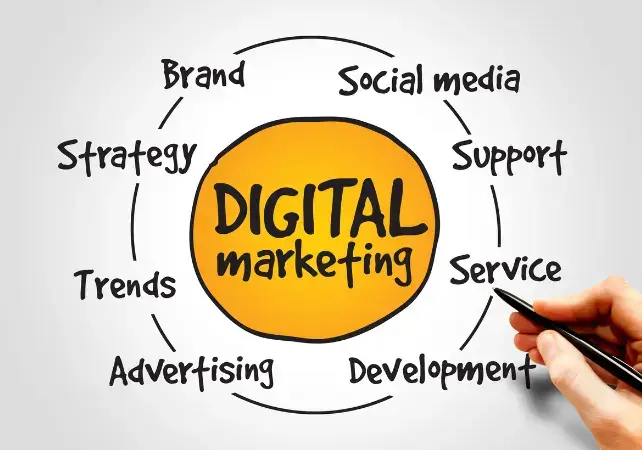
Marketing is critical to reaching customers.
Digital campaigns usually start at $500 and can be as much as $5,000. Choosing the right marketing strategy ensures your message reaches the right audience.
Digital marketing is scalable and lets you target demographics or even specific areas (geo-fencing).
Sometimes, brief, highly targeted campaigns cost less than $100.
5. Maintenance: Keep your business running

After everything is set up, you’ll still need maintenance. This includes domain registration, hosting, and renewing plugins.
Hosting services vary. Domains can be as little as $10 or in the thousands for unique names. Bandwidth also affects hosting costs.
Earlier, we discussed plugins and functionality; sometimes these renew monthly. You must account for them in your business’s ongoing maintenance.
Conclusion
These five areas are not comprehensive. Different eCommerce businesses may have different needs, but considering design, functionality, fulfillment, marketing, and maintenance costs will help you estimate your start-up costs.
It's also worthwhile, and never too early, to start developing sales strategies and techniques for your eCommerce store.
Remember, all options are scalable. Depending on your goals, you can begin making money with as little as a few hundred dollars or as much as several thousand.

Author Bio
Shanice Jones is a techy nerd and copywriter from Chicago. For the last five years, she has helped over 20 startups build B2C and B2B content strategies that have allowed them to scale their business and help users around the world.
