

Assume you’re juggling tasks, deadlines loom, and there’s barely enough time to sip your coffee—let alone attend a lengthy training session.
Enter microlearning—a transformative approach to skill development that’s bite-sized, impactful, and perfectly tailored for today’s busy professionals.
But how do you seamlessly weave microlearning into your daily workflow? Let’s dive in.
Why Microlearning Works in Modern Workflows
Source: lingio
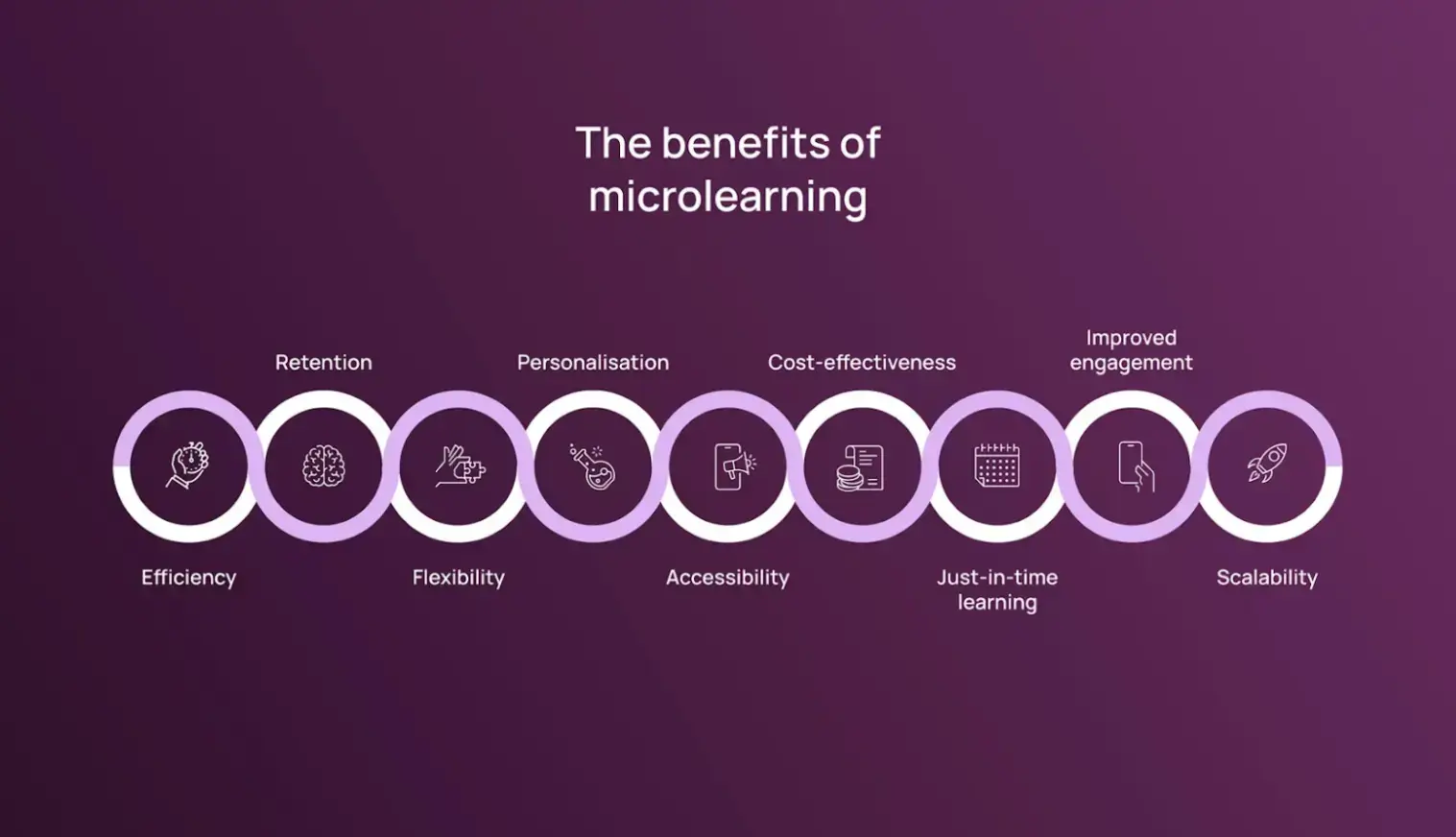
Is microlearning just a trendy buzzword? It isn’t! It’s grounded in cognitive science. Studies show that humans retain information better when it is consumed in small, focused bursts.
When integrated thoughtfully, microlearning can:
- Enhance Retention: Short lessons are easier to digest and recall.
- Boost Productivity: It complements work schedules rather than disrupts them.
- Encourage Consistency: Frequent exposure reinforces learning and builds habits.
By aligning with the rhythm of your workday, microlearning becomes not an interruption but an enhancement.
Start with a Workflow Audit
Before diving in, assess your existing workflows. Where are the gaps in knowledge or skills? Without a workflow audit, you’ll just be taking shots in the dark, which will likely not hit the bullseye most of the time.
So, identify moments in the day that are ideal for quick learning sessions, such as:
- Morning prep time or coffee breaks.
- Transition periods between meetings.
- End-of-day wind-downs.
Knowing your workflow’s natural ebb and flow ensures that microlearning fits like a glove.
Choose the Right Tools and Formats
Would you be able to navigate through an unknown road without Google Maps? Similarly, adopting microlearning will not be possible without the right tools and formats.
The success of microlearning hinges on the tools and formats you choose. Here are some examples:
- Interactive Videos: Short, engaging clips that explain concepts in under five minutes.
- Mobile Apps: Platforms like Duolingo or Blinkist make on-the-go learning effortless.
- Infographics: Visually rich summaries you can quickly skim.
- Podcasts or Audio Clips: Perfect for multitasking during commutes or workouts.
- Gamification: Quizzes, challenges, or leaderboards add fun and competition.
A key tip: Ensure the content is accessible and intuitive. Clunky interfaces or hard-to-find lessons can kill momentum.
Blend Microlearning with Real-World Tasks
Source: ScienceDirect
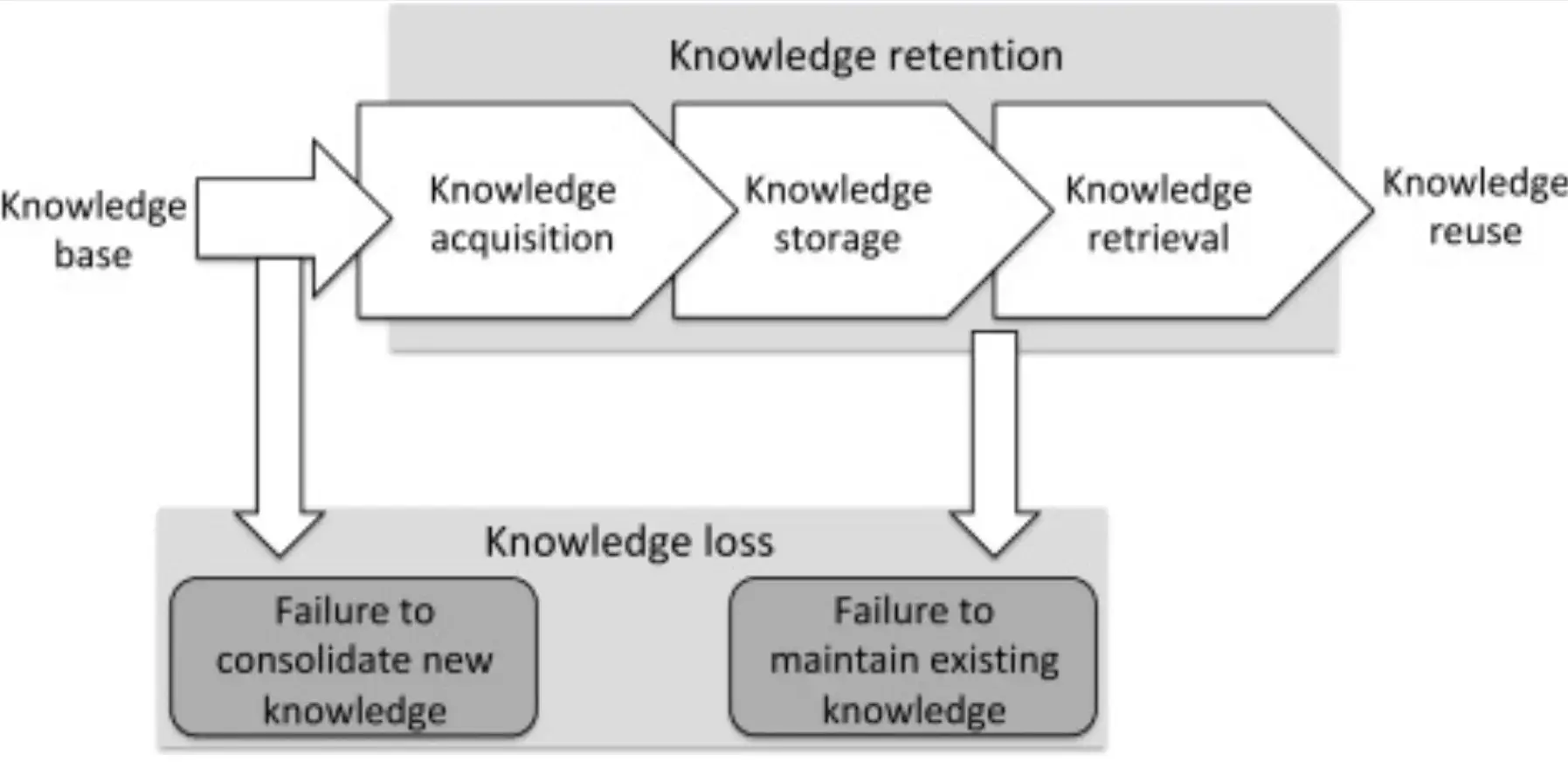
Microlearning leads to a 20% increase in knowledge retention. One of the ways it makes knowledge stick for long is through real-world training.
This magic happens when microlearning meets real-world application. For instance:
- Sales Team: Share a daily 3-minute tip on objection handling before calls.
- Customer Support: Embed quick troubleshooting videos into your CRM system.
- Marketers: Offer bite-sized SEO hacks during campaign planning meetings.
When learning feels immediately relevant, it’s more likely to stick.
Automate for Consistency
Source: SafetyCulture
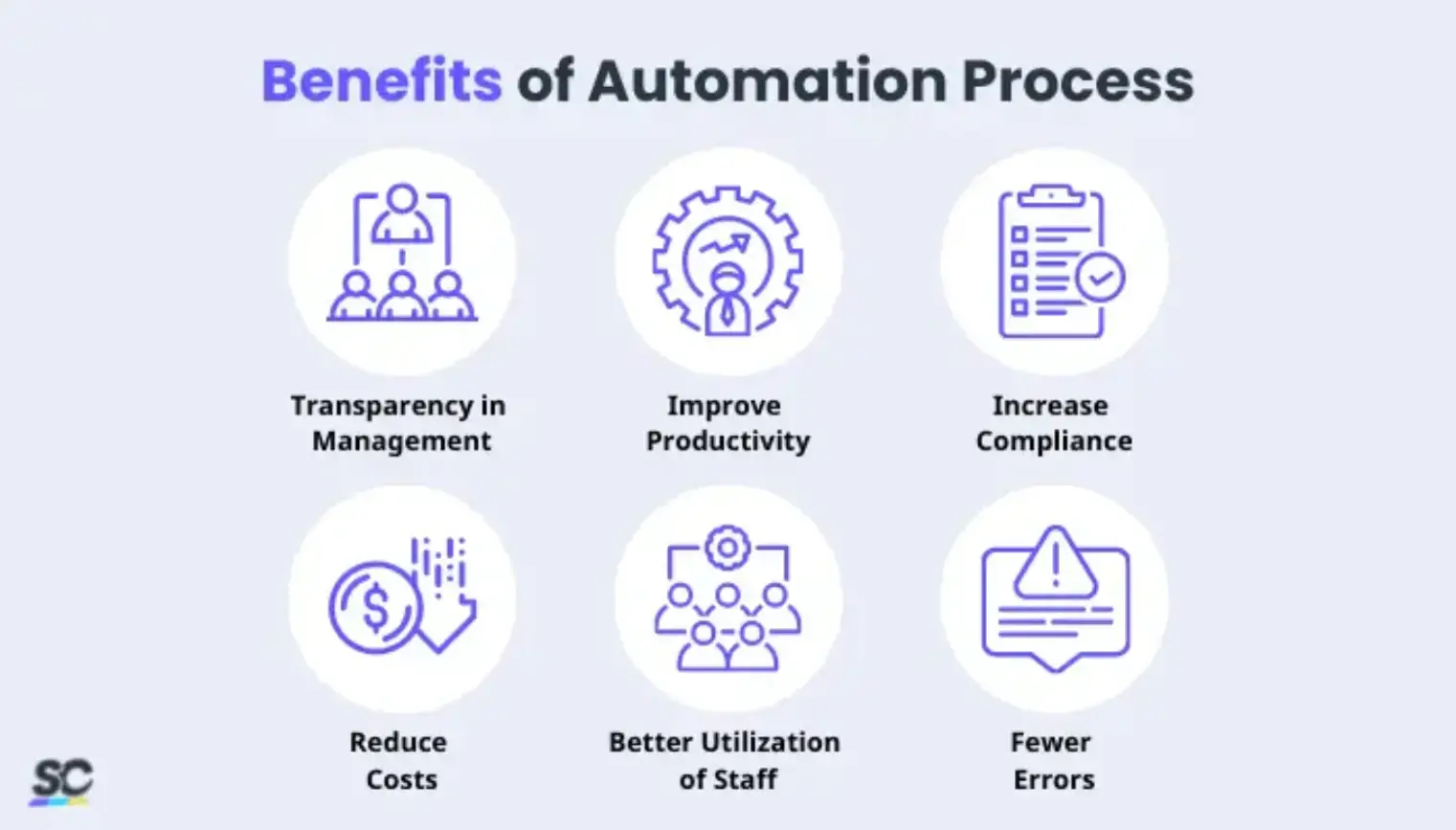
The secret to growth in any domain is consistent improvement. Consistency is the secret sauce of effective microlearning, too.
Automating your efforts ensures you achieve this consistency without overburdening your staff with manual and repetitive tasks. Automate delivery using:
- Push Notifications: Remind users to complete a daily lesson.
- Email Campaigns: Share a weekly roundup of quick learning snippets.
- Learning Management Systems (LMS): Schedule and track progress effortlessly.
Automation takes the guesswork out of when and how to engage.
Measure and Iterate
Like any workflow, microlearning integration demands ongoing refinement. Let’s say you are actually improving (or probably not).
The best way to do this is by analysis. Track these metrics to gauge effectiveness:
- Completion Rates: Are employees consistently engaging with content?
- Knowledge Retention: Use periodic quizzes or assessments to check retention levels.
- Performance Impact: Is the training translating into better results on the job?
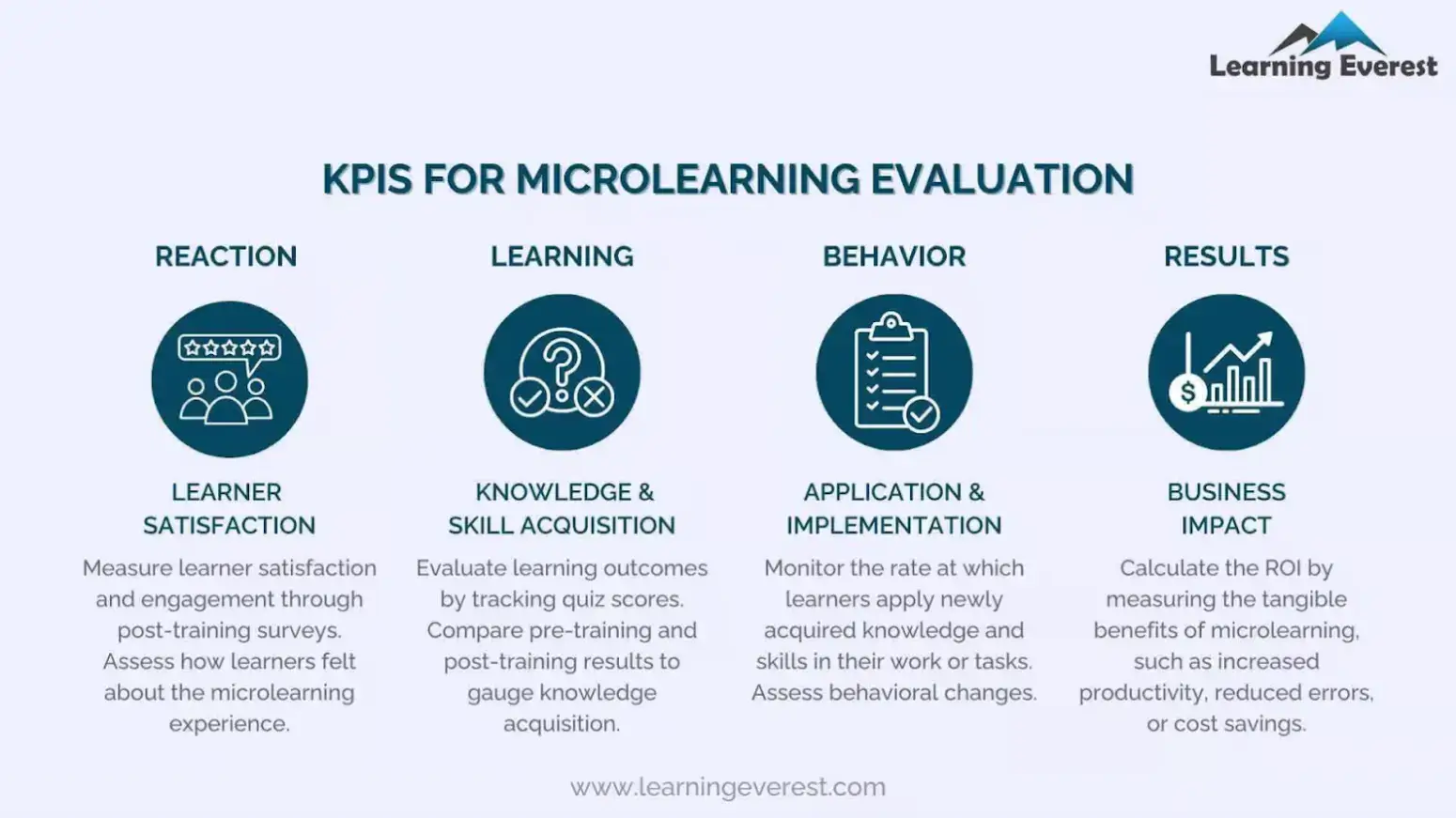
There are other microlearning KPIs that can help you better evaluate the impact.
Source: Learning Everest
You can gather feedback from participants and tweak your approach based on their input. Iterations ensure your microlearning strategy stays aligned with team needs.
Address Common Challenges
While microlearning is powerful, it’s not without hurdles. You’ll encounter plenty of challenges throughout this journey.
Be it complexity, accessibility, or reluctance to accept new change, there will be things keeping you from achieving your goals. Here’s how to tackle them:
- Overloading Learners: Keep sessions brief and focused on one concept.
- Lack of Engagement: Use gamification and real-world relevance to boost interest.
- Inconsistent Participation: Tie microlearning to professional goals or incentives.
Remember, the goal is to make learning feel like a natural extension of work, not an added burden.
Incorporate AI and Personalization
AI has become a valuable tool that you must employ in your process, one way or another.
Incorporating AI into microlearning can revolutionize its effectiveness. AI-driven platforms can:
- Personalize Content: Tailor lessons to an individual’s role, interests, or skill level.
- Track Progress: Offer insights into learning patterns and areas for improvement.
- Provide Real-Time Assistance: AI-powered chatbots answer questions instantly, making learning dynamic.
Imagine a system that understands your unique workflow and delivers microlearning content precisely when you need it the most. AI doesn’t just streamline the process—it supercharges it.
Encourage Leadership Buy-In
The success of microlearning often depends on leadership support. When managers and executives champion microlearning, it sends a strong message about its importance. Leaders can:
- Share their own microlearning experiences.
- Integrate learning goals into performance reviews.
- Celebrate team successes driven by microlearning.
A top-down endorsement ensures that microlearning isn’t seen as a novelty but as a strategic priority.
Design for Scalability
As your organization grows, so do your learning needs. Design your microlearning strategy with scalability in mind. Use cloud-based platforms that accommodate more users and diverse content.
Additionally:
- Regularly update learning materials.
- Create a content repository for easy access.
- Train internal champions who guide others in adopting microlearning.
Scalability ensures your microlearning initiatives evolve alongside your organization.
FAQs: How to Integrate Microlearning into Daily Workflows
1. How long should a microlearning session be?
Ideally, microlearning sessions should be between 2 and 5 minutes—quick takeaways, no overwhelm.
2. Can microlearning replace traditional training methods?
Not entirely. Microlearning supports traditional training but doesn’t replace deep, comprehensive learning.
3. How do you ensure engagement with microlearning?
Use quizzes, gamification, and tie learning directly to job performance.
4. What industries benefit most from microlearning?
Tech, healthcare, sales, and customer service benefit the most, though almost any industry can use it.
5. How do you measure the success of microlearning?
Track KPIs like knowledge acquisition, satisfaction, completion rates, and business impact.
Closing Thoughts
Blending microlearning into daily workflows isn’t just a trivial tactic—it’s an investment in your team’s growth.
By keeping lessons concise, relevant, and accessible, microlearning can transform mundane workdays into dynamic opportunities for development.
So what’s stopping you? Start small. Audit your workflows, experiment with formats, and watch as microlearning empowers your team to achieve better results—one bite-sized session at a time.

Author Bio
Oakr Wuwy is a dedicated content editor with 7 years of experience. He specializes in refining narratives, ensuring clarity, and helping writers enhance their content. When he’s not on his laptop, you’ll find him sipping coffee.