

With rapid technological change, how people consume information is changing quickly, and there is a lot of competition vying for those viewers' attention.
As customers' attention spans continue to decrease, online businesses are increasingly turning to visual marketing for the immediate impact that only videos and images can provide.
Multiple studies have shown that people have a shorter attention span than goldfish. According to a recent study from Microsoft Corp., the average human attention span is just eight seconds.
That is why it is vital to consider visual marketing techniques to make content more authentic, unique, and compelling.
The Importance of Visual Marketing
The customer journey goes through the noise in the marketing lifecycle at every step. Everyone is trying to catch their audience’s attention, and they don’t know where to focus their attention and loyalty.
That’s where visuals will help you pass a message to your audience and allow them retain information for a long time.
Tools like a background remover can enhance these visuals by eliminating distractions and keeping the focus on key elements.
Once you start tracking the impact of all your visuals, you will have a clear picture of your ROI and identify best practices to maximize your visual content efforts.
1. Focus on User-Generated Content
User-generated content takes word-of-mouth marketing to a new level by delivering a product or service value using a more authentic visual lens.
Many marketers use UGC images and videos as an honest portrayal of a brand’s products, as they come from real customers instead of the brand itself.
Moreover, this type of content brings more attention and conversions to a business because it concisely shows the audience’s needs and pain points.
You can create exclusive campaigns to drive more ROI with user-generated content. The main idea is to encourage people to share photos or videos of your brand on social media using a specific hashtag.
Social media activity will increase your brand’s visibility and engagement on the cheap, says Harry Johns White, Marketing Specialist at NBAblast.
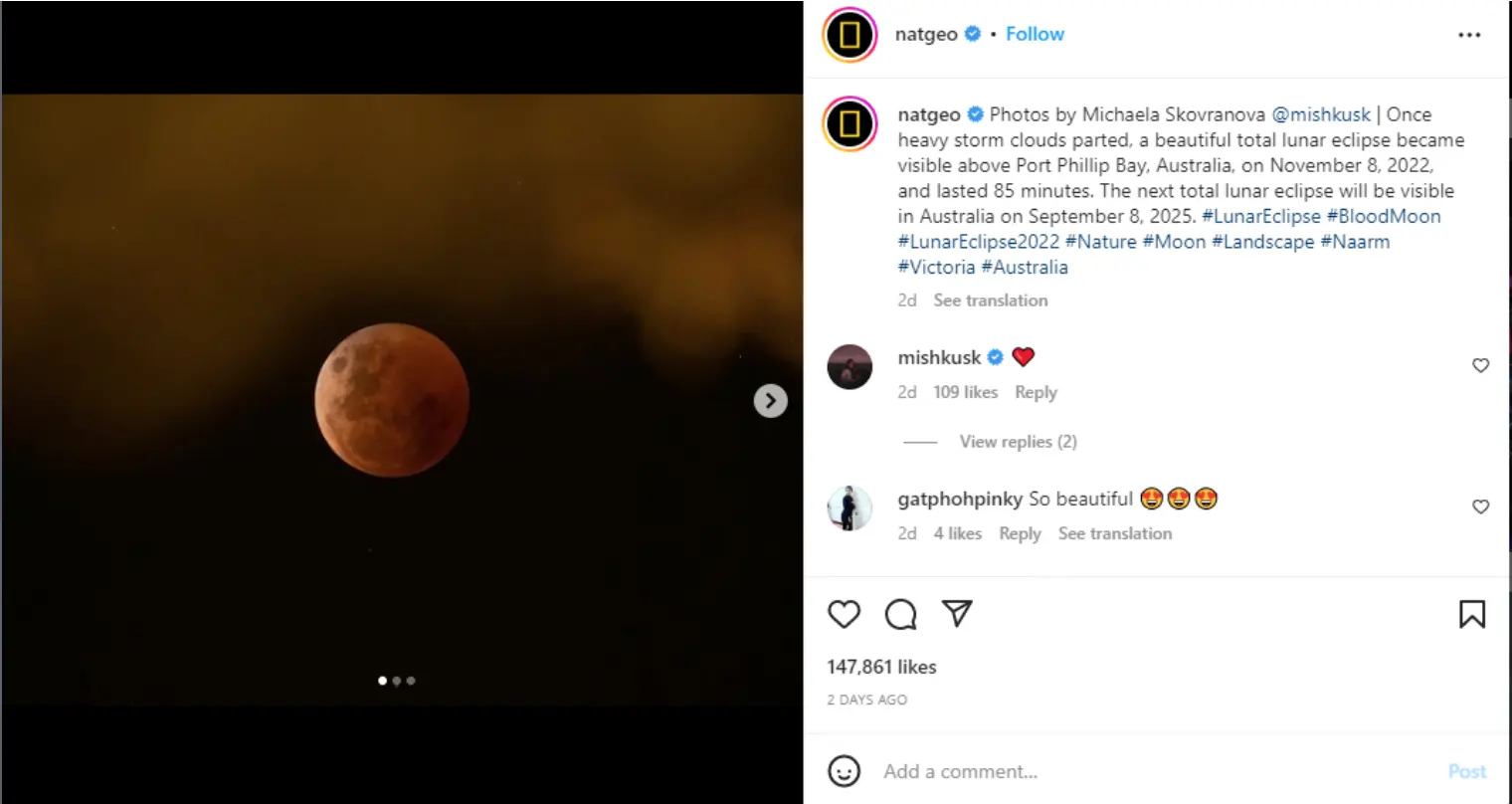
Source: Instagram
“Another way to encourage people to talk about your brand is to reward them,” said Kashif Raza from Kami Web Solutions. “It’s a preferred trick for small businesses and startups to increase user interactions. We run a weekly or monthly giveaway where we choose users with the best user-generated content.”
UGC can be used as a visual or video review for an eCommerce business. You can link the posts to your product pages and use them as a review to show people how others benefit from the products.
Use paid formats like Facebook Carousel ads and Instagram Shoppable Ads to incorporate user-generated content.
2. Use A/B Testing
You can try out multiple visual formats. For example, you can track the results of a hero image against a hero video or compare the impact of static images versus an interactive photo gallery.
While testing different images on your website to determine which results in higher conversion, it’s recommended to expand your testing.
Testing and tracking your results will help you increase ROI from your visual content marketing efforts. This works especially well when you stack new types of visuals, such as galleries, whiteboard videos, or screenshots.
You can also streamline your creative process by using design templates to produce consistent, high-quality visuals.
You can find different stock images and video libraries on platforms like Depositphotos, which also offer template-based graphic editors that instantly reorganize and maximize your visual content on your site.
In addition to these resources, Dresma offers capabilities to create and optimize product visuals at scale.
You can also experiment with AI-generated visuals using tools like Generate with Flux 1 to create custom images that elevate your visuals even further.
3. Make Your First 10 Seconds Impressive
As discussed earlier, the average human attention span is getting shorter each day, and companies are fighting for consumers’ attention and search clicks on Google. You have only 8 seconds to get their attention.
You can use tactics to get more eyes on your content and improve your visual performance.
Include eye-catching titles, thumbnails, and immediate starts. Make sure to address common problems and ask thought-provoking questions right at the beginning.
Creating relevant questionnaires or interactive hooks for your target audience can also help you stand out. Study how others create strong hooks and use those insights to drive more engagement.
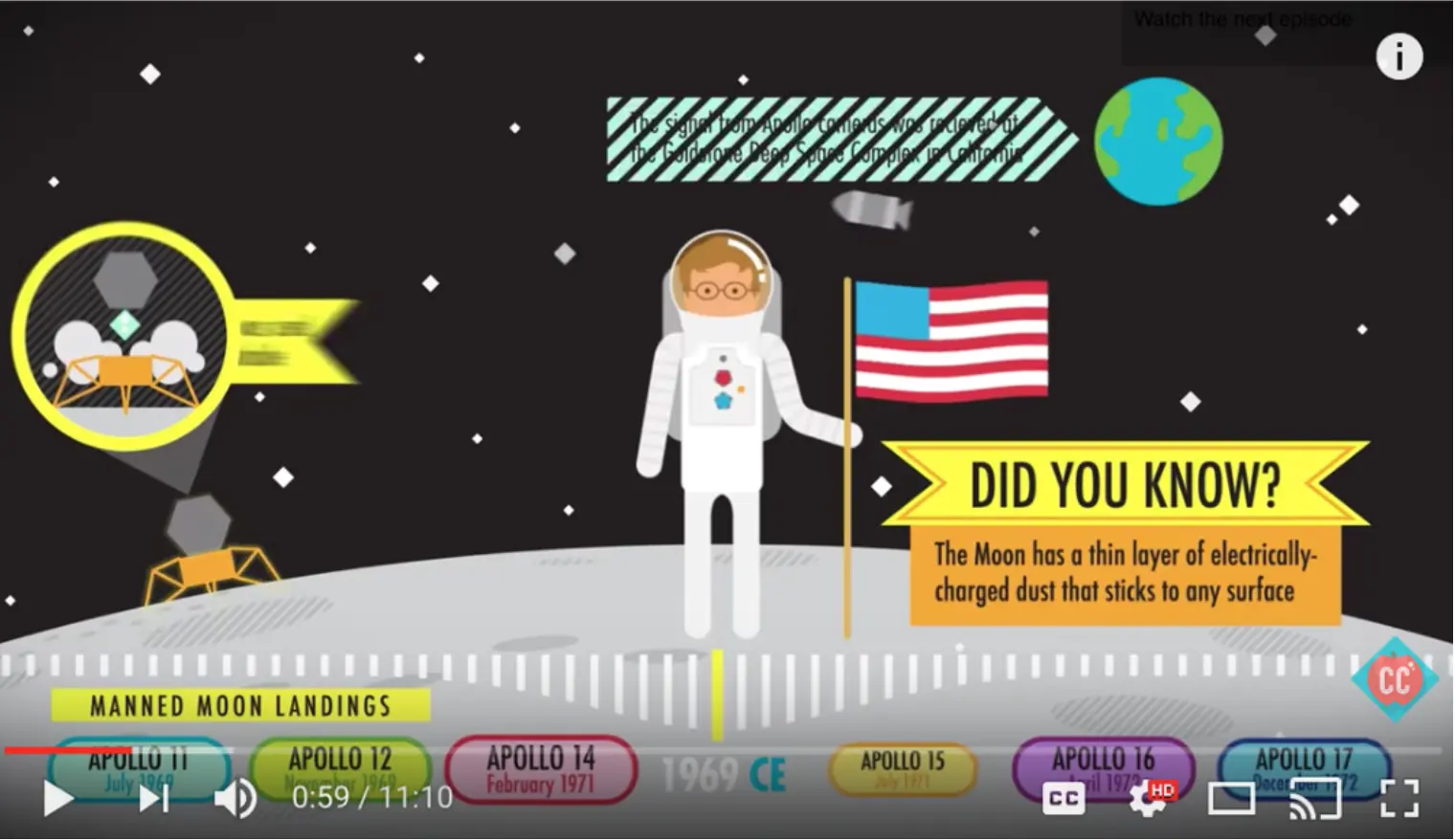
Source: Videomaker
Another way to succeed is to publish your videos in the appropriate formats for different channels. You can use tools like InVideo to resize your video for any marketing platform and quickly convert text-based content into videos.
4. Add Call-To-Action Buttons
Visuals are among the best traffic drivers for marketers.
To maximize the impact of your website imagery and urge the audience to take immediate action, add buttons and calls to action directly on your visuals. This also makes it easier to track the ROI of each visual element.
Call-to-action buttons act as gateways to learning more about your product or service by directing visitors to relevant pages. This allows you to see which visuals drive the most traffic and conversions clearly.
You can also create specific events in Google Analytics for every CTA button you want to track.

Source: HubSpot
5. Improve Video Search
Today, it’s easier than ever to produce videos and get them online without advanced videography skills. With the rise of video, it’s essential to optimize your video marketing efforts to rank in universal search results.
Since Google owns YouTube, publishing your videos there increases the likelihood of appearing on the first page of Google search results.
Spend time crafting engaging video titles and descriptions with relevant keywords to help users easily find your content.
Including video transcripts makes your videos more accessible and easier for search engines to index. Avoid embedding multiple videos on a single page, as Google typically indexes only one video per page.
Video thumbnails are just as important as book covers. They determine whether users click, making them a crucial element of video SEO and click-through rates.
6. Include Closed Captions
Adding closed captions improves the viewing experience and makes videos accessible to millions of people, including those who are deaf or hard of hearing and viewers who don’t speak the original language, says Jasen Edwards, chair of the Agent Editor Board at Agent Advice.
Captions also help remove barriers to understanding and make your content easier to consume. Additionally, closed captions make your videos more searchable.
“To help people understand the point of your videos, use tools that make captioning easy through built-in editors,” said Cesar Ornelas. “Potential customers will no longer struggle to figure out what the message is about.”
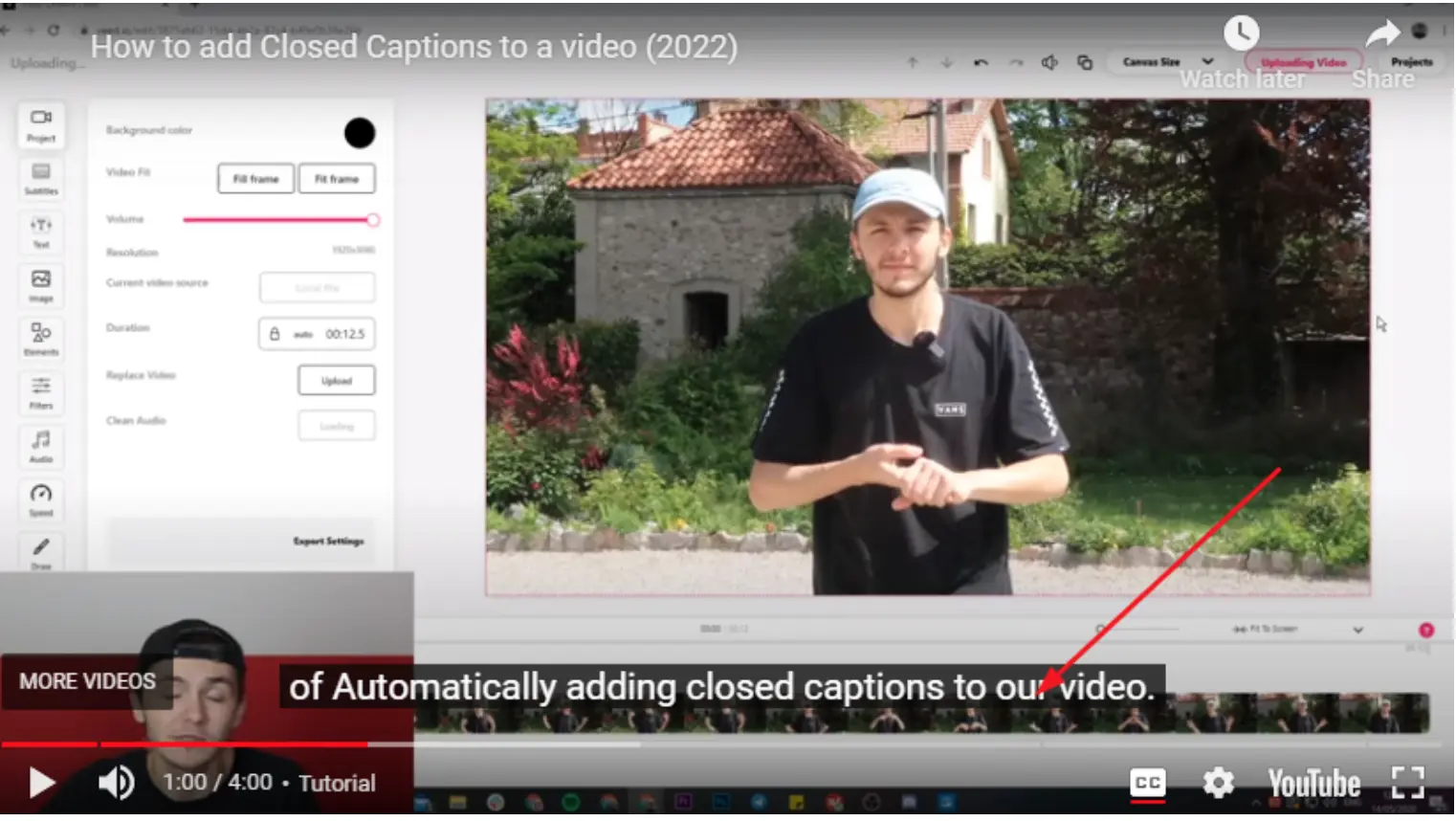
Source: YouTube
7. Measure the Results of Your Visual Marketing Efforts
Finally, it’s essential to monitor your visual marketing metrics after a campaign ends and measure the impact of your visuals.
This allows you to understand what worked, what didn’t, and how to improve future campaigns, as mentioned by Eyal Elazar, Head of Product Marketing at Riskified.
Review metrics such as visual views, interactions, engagement rates, and video watch duration, and compare them against other visuals — all without leaving your site.
These insights will help you determine whether your visual marketing meets your audience’s needs and where adjustments are needed to reach your goals better.
Bottom Line
Visual marketing is one of the most effective ways to deliver messages to your customers and help them digest information quickly and clearly.
Applying these strategies will help you optimize your marketing processes and maximize the return on investment from your visual marketing efforts.
