
Business podcasts have become much more than a branding tool.
Today, they help companies build trust, answer customer questions, establish industry authority, and create content that supports the entire marketing funnel.
Yet many businesses overlook a simple fact: a podcast episode is often one of the least searchable forms of content on the internet.
Search engines can easily crawl blog posts, landing pages, and product descriptions. Audio files are different.
While search technology continues to improve, spoken conversations remain far harder for search engines to understand than written content.
This creates a missed opportunity.
A single 30-minute podcast episode may contain valuable insights, customer success stories, product education, and industry expertise.
Without a transcript, much of that information remains hidden from search engines and inaccessible to some members of your audience.
Artificial intelligence is helping solve this problem.
Modern AI systems can convert spoken conversations into accurate text within minutes. What once required hours of manual transcription can now be completed automatically, allowing businesses to publish transcripts alongside their podcast episodes and unlock additional SEO, accessibility, and marketing benefits.
For small businesses, consultants, agencies, SaaS companies, and eCommerce brands, AI-powered transcripts are becoming an important part of a broader content strategy.
As businesses expand their content operations, they often rely on resources such as Pulse of Strategy's collection of SEO and marketing tools to streamline content creation, optimization, and audience growth.
They help businesses reach more people, improve website visibility, and create additional marketing assets from content they have already produced.
Why Podcast Content Needs More Than Audio

Source: Upsilon
The Discoverability Problem With Audio Content
Many companies launch podcasts to share expertise and build relationships with potential customers. While this approach can be effective, relying solely on audio limits the value of every episode.
How Listeners Actually Consume Podcast Content
Think about how people consume content today.
Some listeners tune in during their commute. Others prefer reading key takeaways during a lunch break. Some may want to search for a specific topic mentioned during an interview without listening to an entire episode.
This behavior is common among audiences exploring leadership podcast recommendations, where readers often prefer scanning key insights before committing to a full episode.
Accessibility Challenges of Audio-Only Content
Accessibility is another important consideration.
According to the National Institute on Deafness and Other Communication Disorders (NIDCD), approximately 15% of American adults report some trouble hearing. This represents millions of potential audience members who may struggle to engage with audio-only content.
Publishing transcripts helps remove those barriers while also making content more useful for a wider audience.
As Google's own Search Central documentation states:
Providing written content alongside audio gives search engines additional context and makes podcast discussions easier to index.
For businesses investing time and resources into podcast production, transcripts help ensure that valuable insights continue working long after an episode is published.
The value of AI-generated transcripts extends beyond podcasting. Similar technology is being adopted across industries to improve communication and customer interactions.
For example, an AI receptionist for law firms can use speech recognition, transcription, and automated response systems to document conversations and help legal teams manage client inquiries more efficiently.
 Gaukhar Murzagaliyeva
Benefits of AI Podcast Transcripts for Businesses
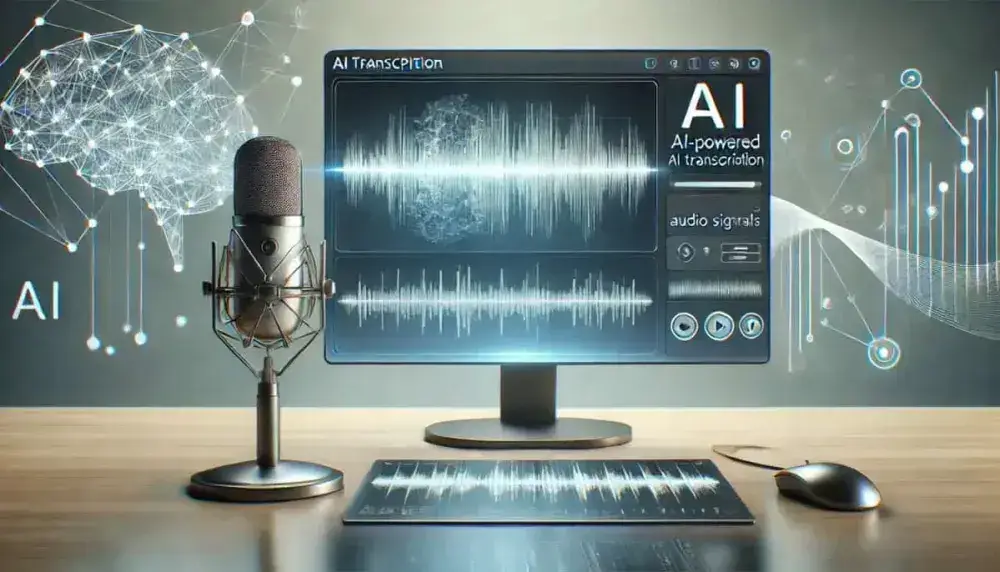
The value of transcripts extends beyond accessibility.
When businesses publish searchable text versions of podcast episodes, they create new opportunities across SEO, content marketing, lead generation, and customer engagement.
Some of the most common benefits include:
Increase Organic Search Visibility
A transcript gives search engines thousands of additional words to crawl and understand.
Instead of indexing only the episode title and description, search engines can access detailed discussions, keywords, customer pain points, product mentions, and industry topics covered throughout the conversation.
This additional context can improve the likelihood of appearing in relevant search results.
Improve User Experience and Content Consumption
Not every visitor wants to consume information in the same way.
Some people prefer listening. Others prefer reading. Many switch between both formats depending on their situation.
Transcripts allow users to quickly scan content, find specific answers, and revisit important points without replaying an entire episode.
Create More Opportunities for Content Repurposing
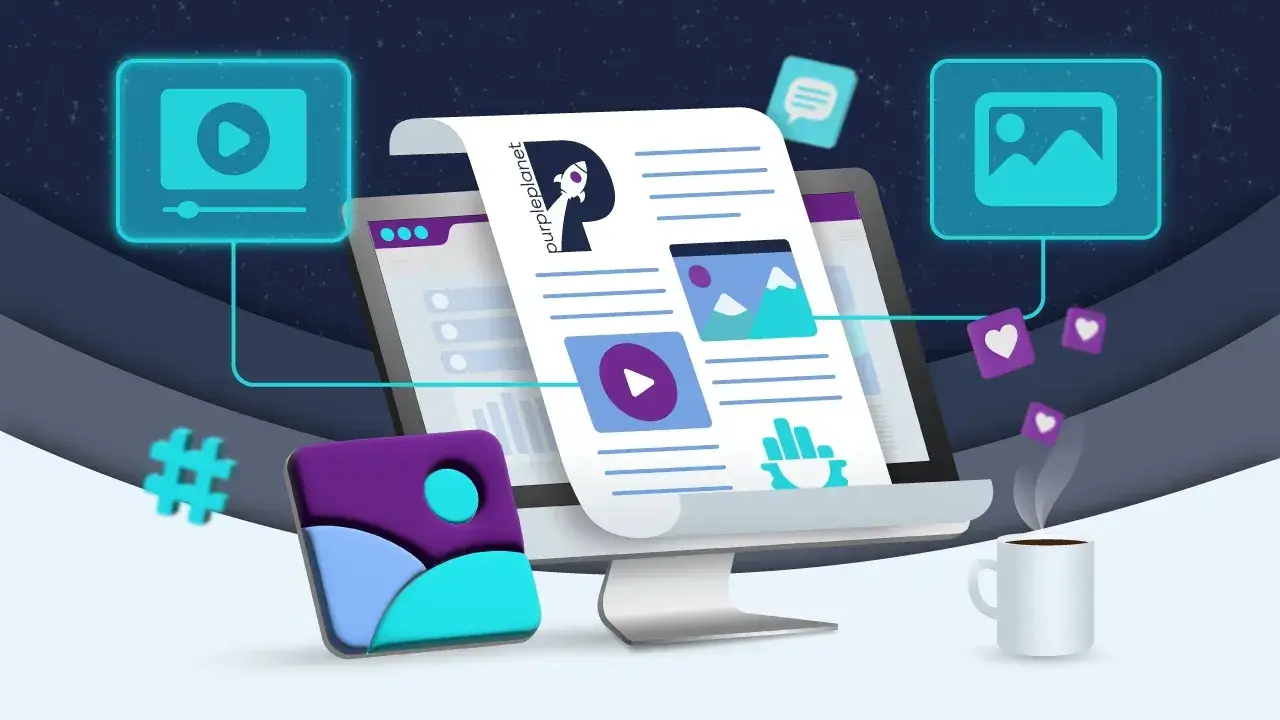
A transcript creates a foundation for multiple content formats.
Marketing teams can transform podcast conversations into:
- Blog articles
- Email newsletters
- Case studies
- LinkedIn posts
- Social media promotion campaigns
- Downloadable resources
Many businesses also use transcript content to create visual assets. For example, key statistics, customer insights, and expert quotes from podcast episodes can be repurposed into infographics using tools such as Venngage’s infographic maker.
This helps extend the reach of podcast content across websites, newsletters, and social channels while making information easier to consume.
Make Podcast Content More Accessible
Accessibility is increasingly becoming a core component of good digital marketing.
Providing transcripts helps audiences who are deaf or hard of hearing engage with content more effectively. It also supports people who speak English as a second language and readers who simply prefer text-based content.
As the World Wide Web Consortium (W3C) notes:
This principle applies directly to podcast content. Features originally designed to improve accessibility often enhance the experience for every user.
 Mick Essex
How AI Transcripts Improve Podcast SEO
Give Search Engines More Content to Index
For many businesses, SEO becomes the most immediate benefit of implementing AI-generated transcripts.
A podcast episode may contain valuable information, but search engines primarily rely on text to understand page content.
Without a transcript, search engines have limited visibility into what was actually discussed during the episode.
With a transcript, every relevant topic, question, keyword, and answer becomes part of your website's searchable content.
Capture Long-Tail Keywords Naturally
One advantage of podcast transcripts is that they capture natural language.
Unlike content written solely for search optimization, podcast conversations often include the exact phrases customers use when researching products, services, and solutions.
These conversational keywords can help businesses rank for long-tail search queries that might otherwise be missed.
For example, a software company discussing customer onboarding challenges during a podcast may naturally cover dozens of search terms related to implementation, user adoption, and customer support.
The transcript preserves those discussions and makes them discoverable through search.
Build Topical Authority in Your Industry
Search engines increasingly evaluate websites based on topical relevance and expertise.
A library of podcast transcripts can strengthen a website's coverage of important industry subjects.
Over time, this creates a larger collection of content that demonstrates expertise and helps search engines better understand the company's focus areas.
For businesses operating in competitive industries, this additional content can contribute to stronger organic visibility.
Create More Internal Linking Opportunities
Transcripts also make it easier to connect podcast content with other marketing assets.
A business can link transcript sections to:
- Product pages
- Service pages
- Case studies
- Blog posts
- Resource centers
These internal links help visitors navigate the website while strengthening the overall content structure.
Increase Engagement and Time on Site
Visitors who read transcripts often spend more time engaging with content.
Some may listen to the episode while following along with the transcript. Others may browse the transcript first and then decide to play the full conversation.
This creates additional opportunities to keep users engaged and guide them toward relevant products, services, or lead-generation assets.
Build Trust Through Transparent, Searchable Content
Search visibility alone is not enough. Businesses also need credibility.
When transcripts are published on a company's website, visitors can verify information, reference specific statements, and evaluate expertise more easily. This transparency can help build trust with potential customers.
At the same time, businesses should review AI-generated transcripts before publishing them. Automated systems occasionally make mistakes, particularly with industry jargon, names, or technical terminology.
Inaccurate content can create confusion, and, in some cases, bad actors may manipulate AI-generated content as a way of phishing or spreading misleading information online. Human review remains an important part of maintaining quality and credibility.
For businesses focused on long-term content marketing, transcripts transform podcast episodes from standalone media files into searchable, evergreen website assets that continue generating value long after publication.
Best Practices for Publishing AI Podcast Transcripts
AI-powered transcription tools can significantly reduce the time and effort required to convert podcast episodes into searchable content.
However, businesses achieve the best results when transcripts are treated as part of a broader content strategy rather than a simple upload-and-publish process.
Review AI Output Before Publishing
Even advanced AI transcription platforms can occasionally misinterpret names, industry terminology, product references, or technical discussions. A quick editorial review helps ensure accuracy and protects your brand's credibility.
Format Transcripts for Readability
Large blocks of text can be difficult to navigate. Consider adding:
- Speaker labels
- Subheadings
- Key takeaways
- Timestamps
- Highlighted quotes
These elements improve the user experience while making important information easier to find.
Optimize Transcript Pages for Search Intent
Instead of publishing a raw transcript, enhance it with a short introduction, summary, and relevant headings. This helps search engines understand the page while providing additional context for readers.
Add Strategic Internal Links
Connect transcript content to related resources such as:
- Product pages
- Service pages
- Case studies
- Blog articles
- Resource hubs
This improves website navigation and helps users discover additional information relevant to their needs.
Repurpose High-Value Content Across Channels
One podcast episode can generate multiple content assets. Extract expert quotes, customer success stories, statistics, and practical advice to create blog posts, email campaigns, social media content, videos, and visual resources.
Monitor SEO and Engagement Performance
Track organic traffic, keyword rankings, engagement metrics, and conversion rates for transcript pages. Performance data can reveal which podcast topics resonate most with audiences and guide future content planning.
When combined with thoughtful optimization and quality control, AI-generated transcripts become a powerful asset that supports SEO, accessibility, and long-term content growth.
Final Thoughts: Turning Podcasts Into Long-Term Marketing Assets
Business podcasts can be powerful tools for building authority, educating audiences, and strengthening customer relationships. However, audio content alone limits discoverability and accessibility.
AI-powered transcripts help transform podcast episodes into searchable assets that can improve SEO, expand keyword coverage, support accessibility, and create opportunities for content repurposing across blogs, email campaigns, and social media promotion efforts.
As Modern AI systems continue to evolve, transcription technology is becoming more accurate, efficient, and accessible for businesses of all sizes.
By incorporating transcripts into their publishing workflow and reviewing them for accuracy before publication, companies can maximize the value of every episode while building a stronger long-term content strategy that continues generating traffic, engagement, and visibility long after the podcast is released.
Frequently Asked Questions
1. What is an AI-powered podcast transcript?
An AI-powered transcript is a text version of a podcast episode generated automatically using speech recognition technology.
2. Do AI-generated transcripts help SEO?
Yes. Transcripts provide searchable text that helps search engines understand podcast content and index more keywords.
3. How accurate are AI podcast transcripts?
Most modern AI transcription tools achieve high accuracy, but human review is still recommended for names, technical terms, and industry-specific language.

Author Bio
Jay is an SEO Specialist with 6 years of experience specializing in digital marketing, HTML, keyword optimization, meta descriptions, and Google Analytics. Currently working as CMO at Pulse of Strategy. For inquiries, reach him at JayJaangid@gmail.com.