

Backlinks have always been an important ranking signal for Google and other search engines.
A recent Backlinko study of 11.8 million Google search results found that top-ranking pages have more backlinks than lower-ranking pages.
Despite the importance of backlinks, the same study found that 95% of all pages in the SERPs have zero backlinks.
Why? Most businesses mistakenly believe that more backlinks lead to a higher ranking.
Though backlinks are critical for ranking, not all links are equal. We need to consider factors such as content quality, the reputation of the websites linking to the content, and more.
These and other link-building mistakes and misconceptions can weaken your link-building strategy, thereby pulling down your authority score.
If you don’t have the expertise or bandwidth to handle link building in-house, working with an SEO reseller or link-building reseller can be an effective solution. They can help you scale your link-building efforts while ensuring the quality and relevance of the backlinks you acquire.
How to avoid mistakes in link building if you don't have sufficient expertise?
If you work with clients and need to consistently build links, you can outsource to another agency, for example, using a white-label method.
In this post, we will focus on one key way to acquire high-quality backlinks: sharing informative and engaging content with the target audience.
We will discuss the top content types that can immediately generate authoritative backlinks. This will establish you as the thought leader in your domain, increase traffic to your site, and generate qualified leads.
Top Content Types That Naturally Attract Links
1. Original research
When it comes to building links, nothing beats original data or research in a particular niche.
While it may seem like low-hanging fruit, everyone values some useful data from a survey or analysis. When a site wants to add credibility to its content, it will naturally cite your research and link to it every time.
Notice what I did at the beginning of this post?
I linked to Backlinko’s original analysis of millions of Google search results. The go-to resource on SEO is always conducting some research or another.
Check out what we see when we look for the term ‘Backlinko research’ on Google.

Several pages discuss the extensive research conducted by Backlinko in their niche. The result?
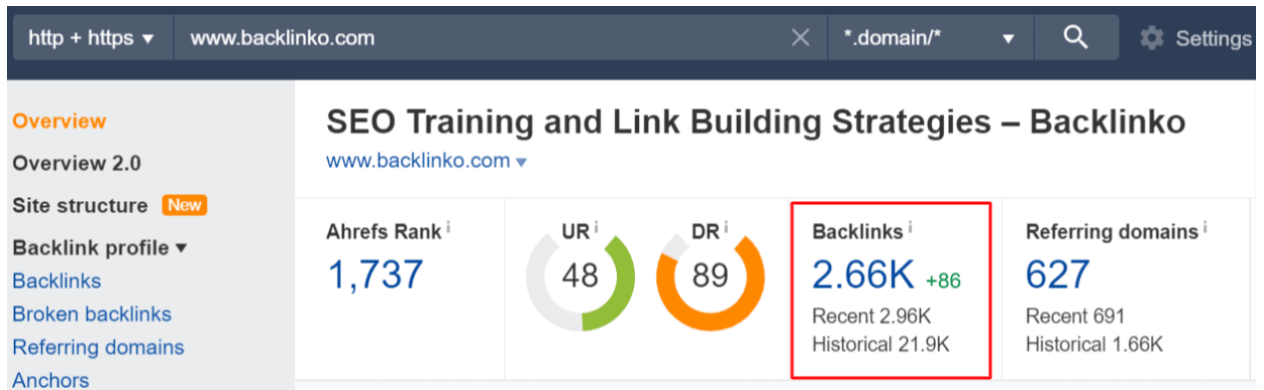
Source - Taken from the Ahrefs dashboard
HubSpot is yet another brand that shares a sea of original research-centric content in the marketing domain.
Check out how their original research - Not Another State of Marketing Report 2021 is performing in terms of backlinks.
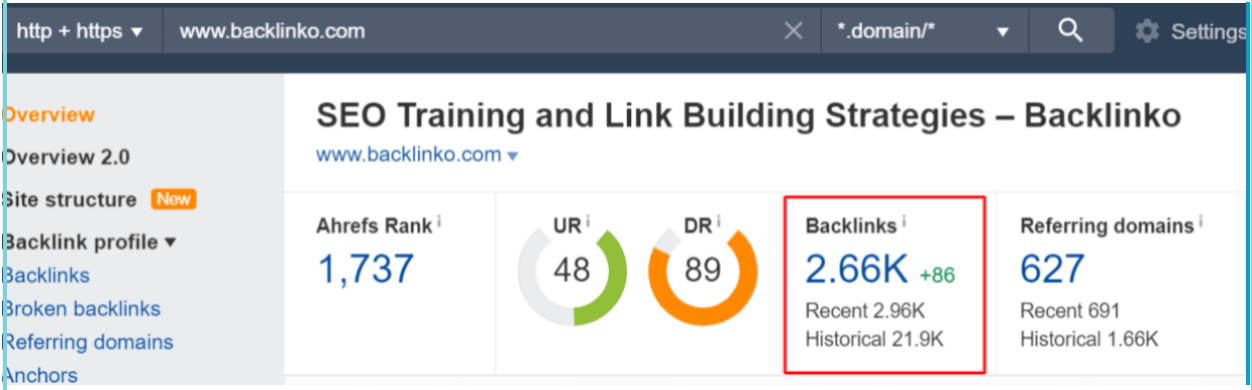
Source - Taken from the Ahrefs dashboard
Publishing original content isn’t a tough task.
Find a question people have in your niche or a pressing problem they’ve been seeking answers to. You can easily get this by engaging in social listening or by getting active on platforms like Reddit or Quora.
Next, answer this question using data, analysis, or a survey.
2. Free tools/Guides
Does your audience constantly look for an easy way to get around their tasks?
If that’s true for your industry, sharing a free tool or guide can be the golden ticket to boosting traffic and earning quality backlinks.
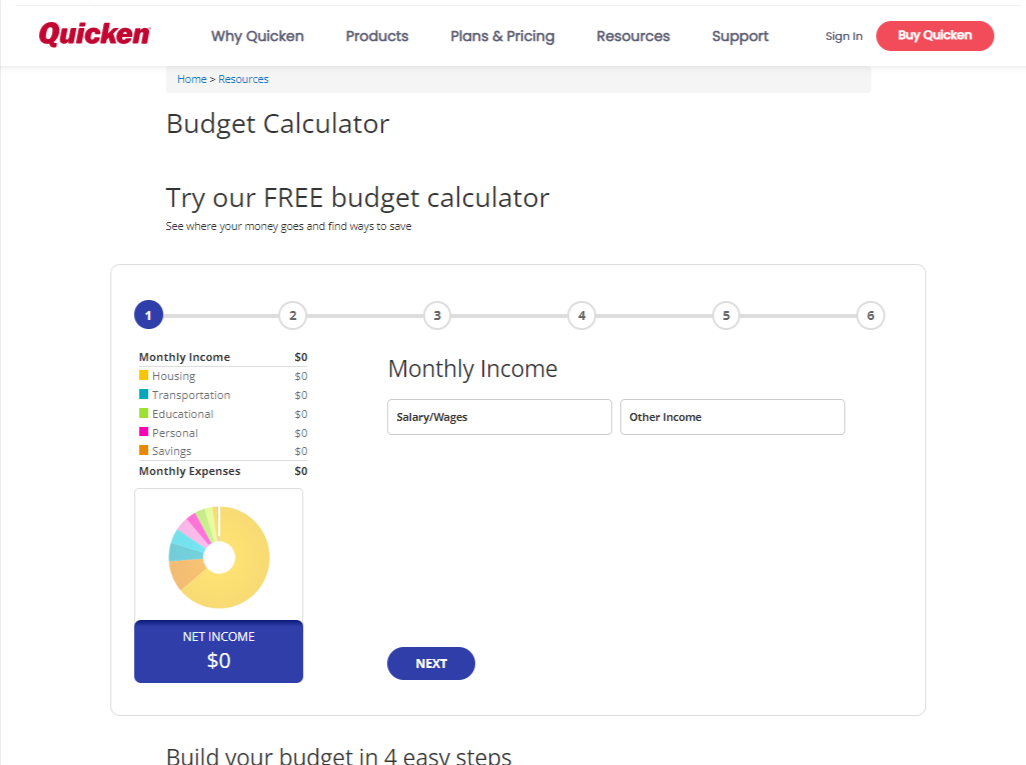
Quicken, a personal finance software company, shared a budget calculator with its audience to help them easily create budgets.
Similarly, SmartAsset offers an easy-to-use income tax calculator that lets customers calculate their taxes and refunds.
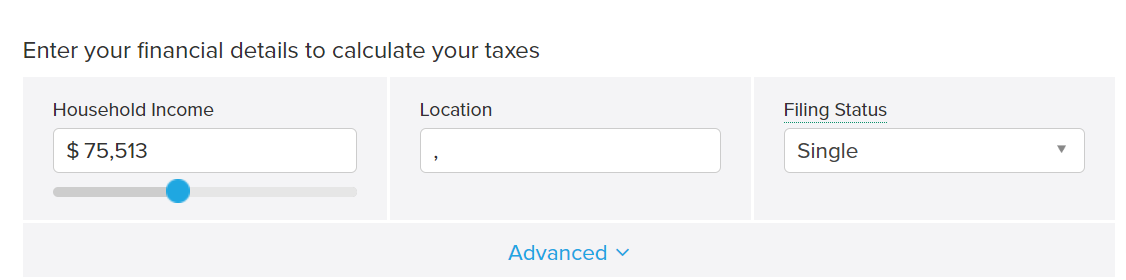
Such resources (another example: a VA loan calculator) are bound to earn them valuable backlinks from websites that share content on financial planning or tax management.
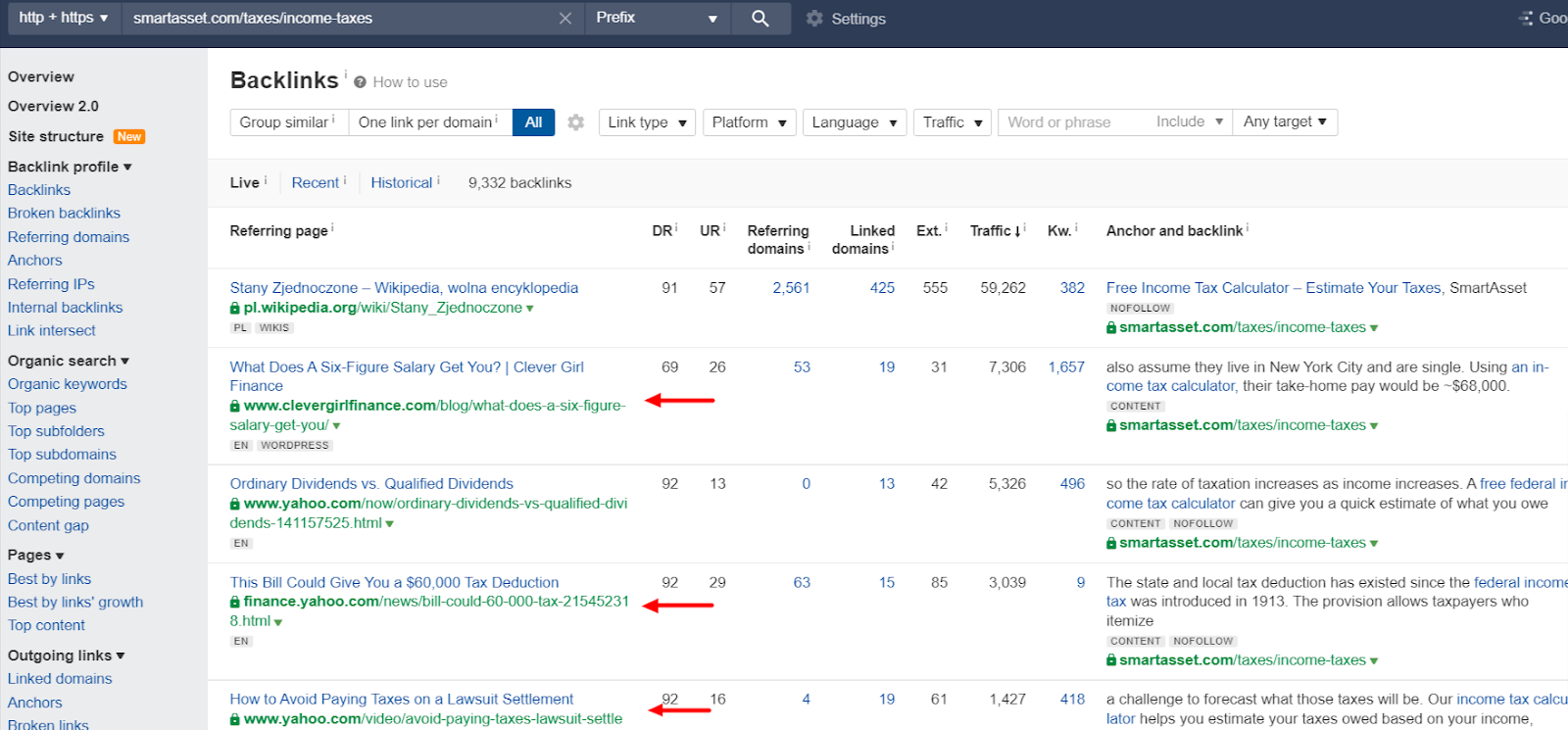
Source - Taken from the Ahrefs dashboard
As long as your tool simplifies a task, it will be a great success with your audience and other websites that will want to link to it. Just make sure you add adequate instructions for using the tool and an FAQ to address users’ top concerns.
3. Webinars or courses
A great way to showcase your knowledge and experience in a particular domain is to conduct a webinar using stealthseminar.com or share a crash course.
This content type will not just earn your content backlinks—especially from platforms like social bookmarking sites and article submission sites—but also position you as a thought leader and subject matter expert in your domain.
Webinars and courses allow you to serve as a problem-solver for your community and share your invaluable subject-matter expertise. This type of content also allows you to create further different content forms.
An online seminar or course, for instance, can be shared as a video, podcast, blog post (with top highlights), or slide presentation.
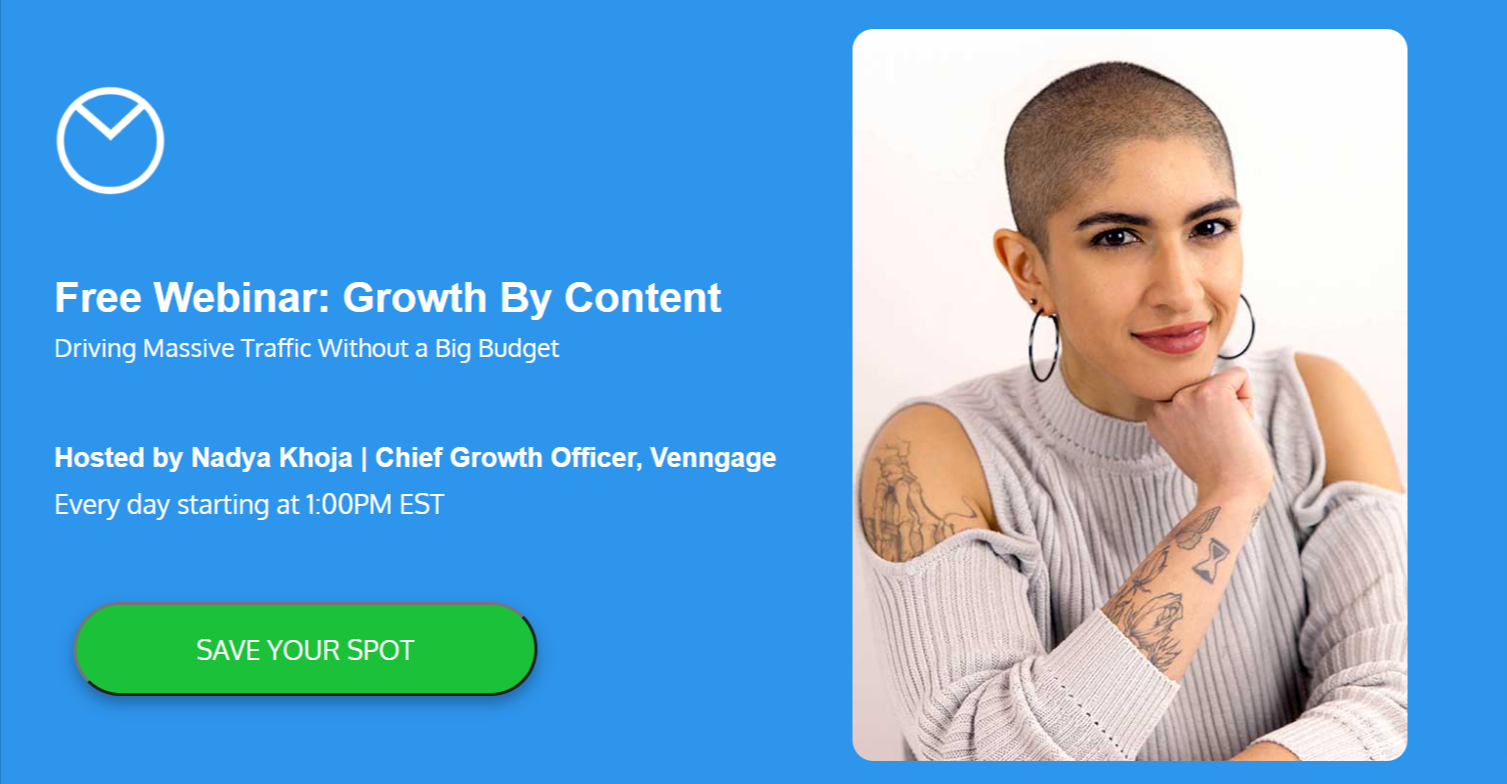
Notice how Venngage, the professional infographic maker, partners with influencers in the content niche and shares interesting webinars that guide businesses in the content marketing industry.
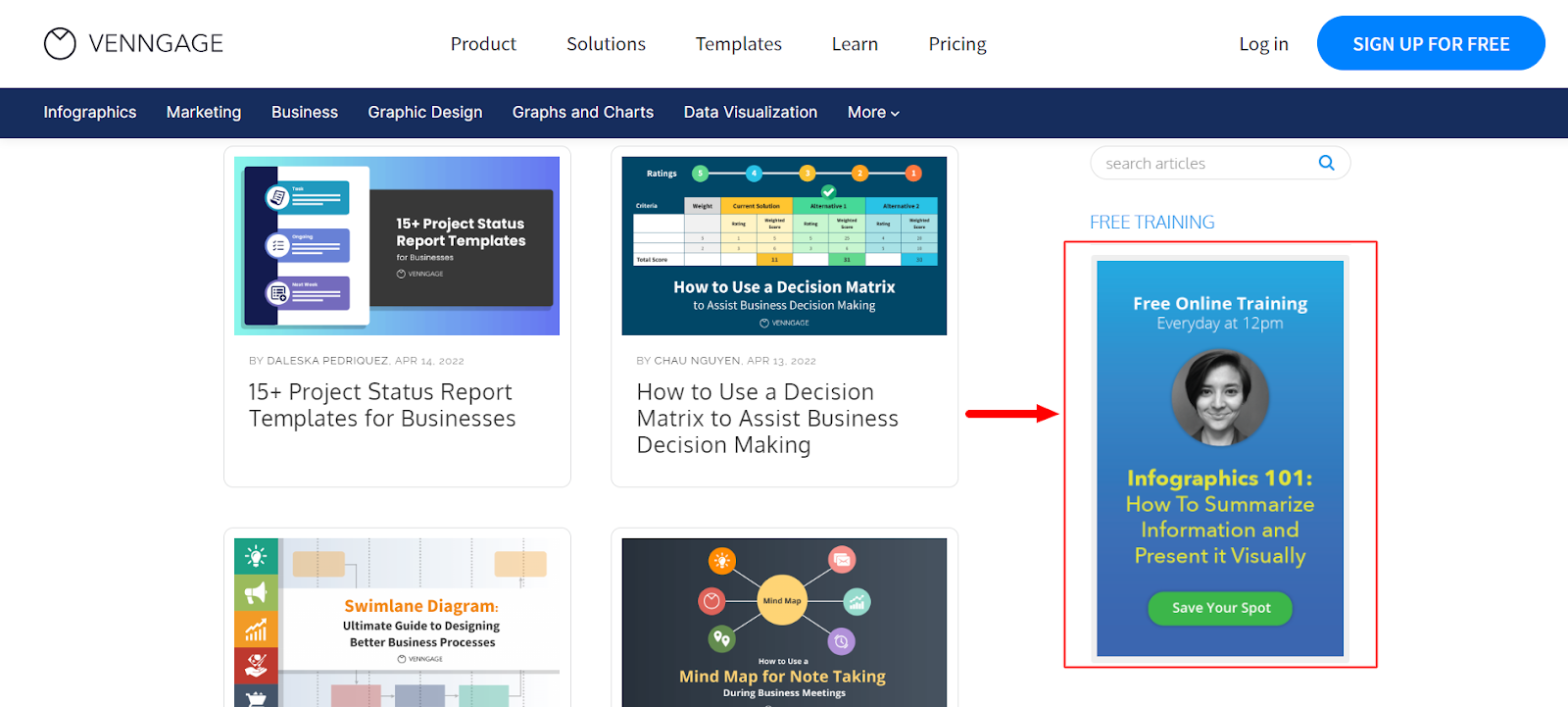
Their blog also shares information on free online training sessions.
Sharing webinar content or a course is also a great way to draw and nurture qualified leads.
Most small businesses leverage webinars to nurture mid-funnel relationships with their customers. This allows them to capture lead information through gated content.
Here are quick tips to consider when conducting a webinar or sharing a course.
- Address a lingering audience pain point.
- Get creative! Partner with an influencer in your niche to earn more credibility and backlinks (but be extremely selective of who you feature!).
- Include clickable links to your webinar so viewers can actively participate and interact with your content.
- Share surveys after your webinar or course to assess if your content benefited your audience.
- Promote your webinar on social channels and through emails.
4. White papers
White papers are premium content pieces that cover complex ideas and subjects within an industry. Publishing white papers can fetch you backlinks from major industry publications and leading blogs.
Though this type of content takes time to publish and requires quality sources and data, it has a high chance of being linked. It allows you to showcase your expertise and demonstrate a real understanding of a subject.
Simply put, white papers are authoritative pieces of content that can position you as a thought leader and earn you precious backlinks. When creating white papers, remember the following -
- Focus on solving problems
- Add relevant data to back your claims
- Keep it crisp and concise
- Make it accessible and readable for your audience
- Have a balance of copy, images, and graphs to boost its readability
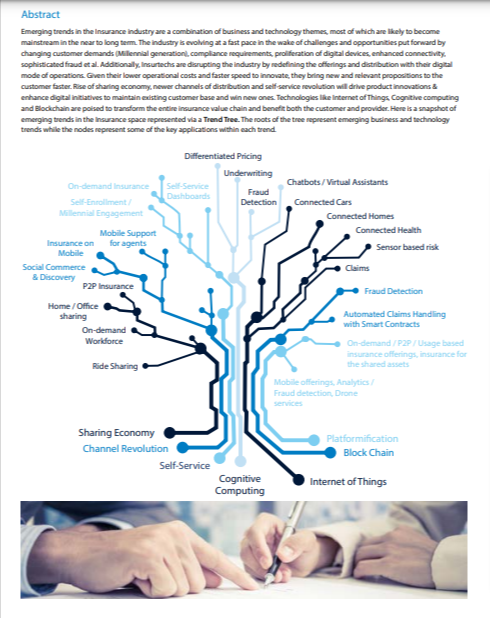
Check out how this white paper by Infosys shares insights related to the insurance industry while keeping it simple and crisp for its audience.
5. Infographics
Infographics are visually stimulating content forms that help convey even the most complicated message. They are easy to digest and recall, making them great linkable assets for any industry.
For creating infographics, you need an expert graphic designer who can use their skills to best present data in a visually appealing format.
Check out Ivan Cash’s website, which created this stunning infographic after analyzing 49 other infographics. Now, this is link-worthy content!
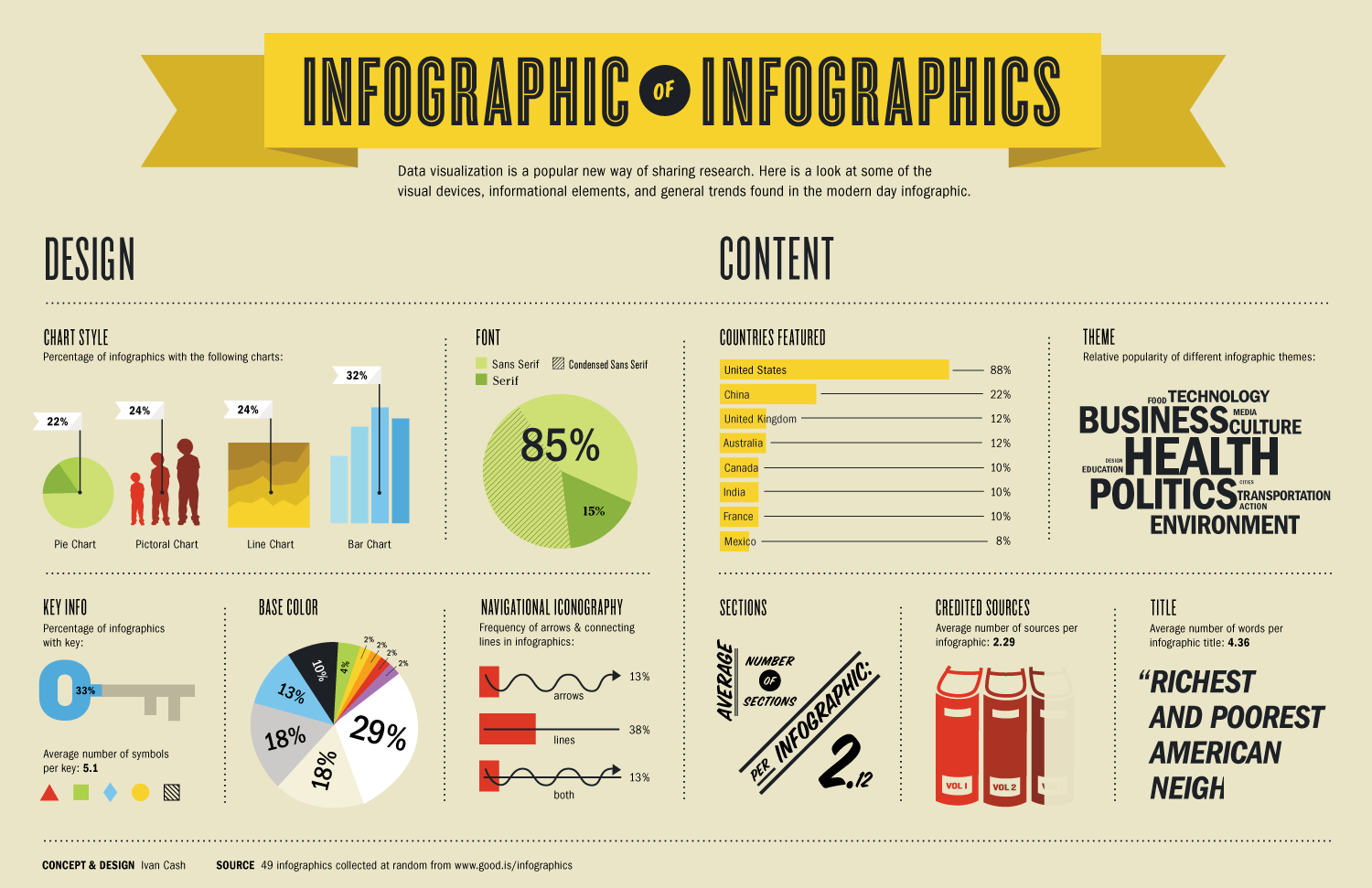
Creating and sharing infographics can power your content strategy, thus improving your brand reach and earning your links. So, go ahead and create attractive and value-adding infographics for your target audience.
6. Videos
Videos make an excellent link-worthy content type because they increase a user’s time on the page, a critical indicator of page experience. When creating video content to acquire backlinks, consider the following tips.
- Remember to talk to the audience.
- Share a story. A narrative makes the video relatable and click-worthy
- Offer a complete transcript
- Add a catchy title, meta description, and file name. This will improve your video’s reach and boost its chances of being linked to.
7. Interactive content
Interactive content, such as games, quizzes, interactive maps, and animated infographics, attracts many links because it enhances UX and creatively presents data.
Further, it gives you a chance to deliver a responsive asset that looks awesome on a variety of devices. This piece of content not only educates but also entertains and informs.
Check out this creative interactive content piece shared by Podio. It shows the daily routines of famous creative people using toggle-on/off or hover-over controls.
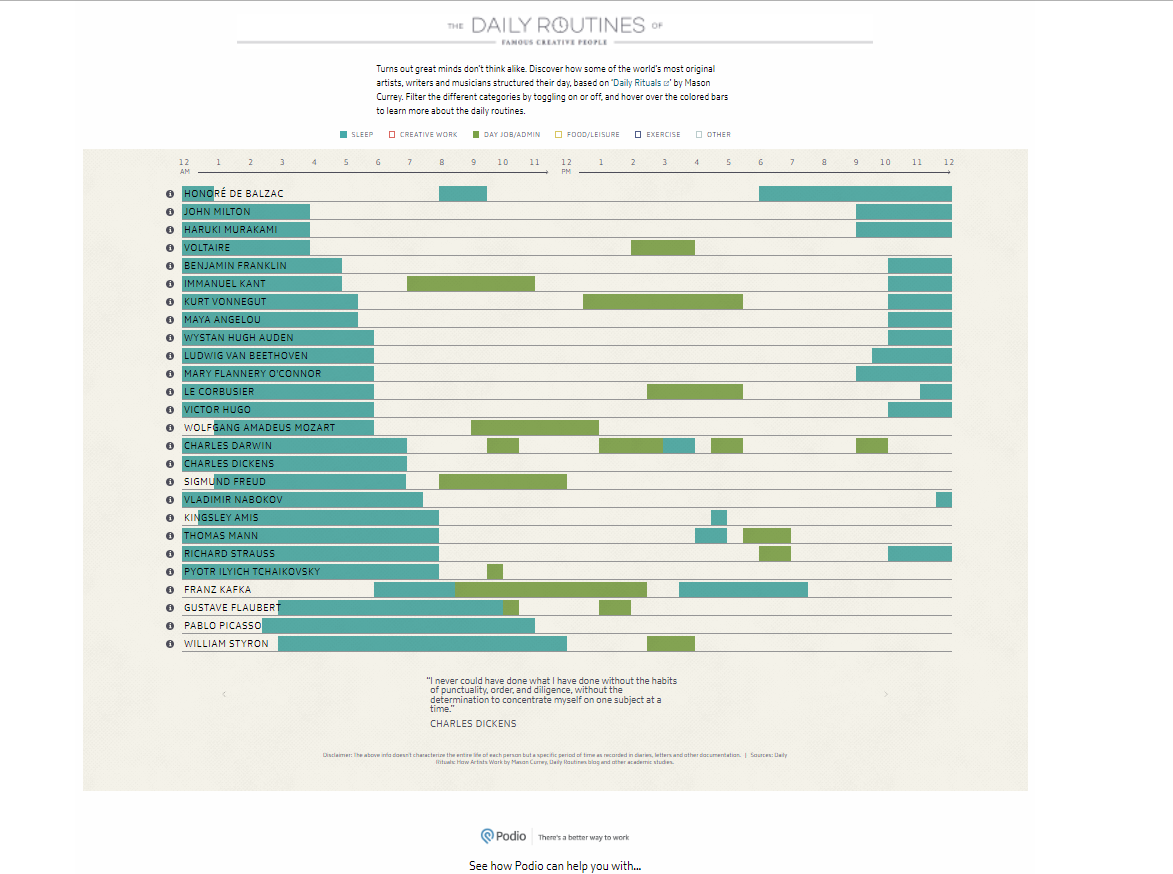
Embed Interactive Content - https://podio.com/site/creative-routines
The content seems to have earned thousands of backlinks.
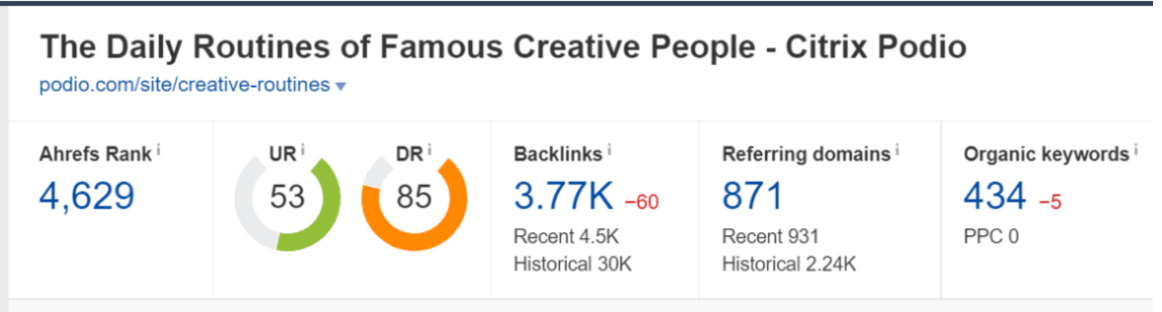
Source - Taken from the Ahrefs dashboard
Conclusion
Gaining links from other websites gives search engines confidence that the website (and hence the brand) is trustworthy and authoritative. This significantly improves a website's ranking in the SERPs.
However, getting backlinks from authoritative publications and sites isn’t easy. The task seems all the tougher for small businesses that are still trying to build their online presence and authority.
We are sure the insights shared above will help you create awesome content that attracts links. To improve your site's backlink profile, start creating the top content types shared in this post.
FAQ
1. What types of content attract authoritative backlinks most effectively?
Some of the best content types for earning authoritative backlinks include original research, free tools, guides, webinars, courses, white papers, infographics, videos, and interactive content. These formats provide unique value, making other websites more likely to reference and link to them.
2. Why is original research so effective for link building?
Original research gives publishers, bloggers, and industry websites fresh data they can cite in their own content. Because it adds credibility and supports claims with evidence, it naturally becomes a strong source for backlinks.
3. Do small businesses need expensive tools to earn backlinks?
No. Small businesses can earn backlinks without large budgets by creating useful, relevant, and well-presented content. A helpful guide, a niche-specific checklist, an infographic, or a simple interactive tool can all attract links when they solve a real audience problem.
4. How do free tools and guides help with backlink generation?
Free tools and guides simplify tasks for users, which makes them highly shareable and link-worthy. When people find a resource genuinely useful, they are more likely to reference it in blog posts, articles, and resource pages.
5. How can I improve the chances of getting backlinks from my content?
Focus on creating original, practical, and easy-to-share content. Use credible sources, solve a specific problem, make the content visually appealing, and promote it through outreach, social media, and email. The more useful and distinctive your content is, the more likely it is to attract quality backlinks.
