

With 86% of respondents agreeing that first-party customer data is the most significant aspect of a business's media strategy, the value of data collection for small business owners is undeniable.
Collecting customer data is crucial in modern business, enabling companies to understand their target audience and tailor products and services to meet their needs.
In this article, we will cover:
- Why Customer Data is Essential
- Different Ways to Collect Customer Data
- 5 Data Collection Best Practices
Follow along to ensure you're collecting high-quality customer data properly, doing it the right way, and watching it drive your growth and success.
What Customer Data Should You Collect?
Before collecting customer data, it's crucial to determine what information is most valuable to your business. It’ll vary depending on your industry and goals, but some common data types to consider include the following:
Demographic data, such as age, gender, location, and income level. This data will help you categorize your customers and help create targeted marketing campaigns that speak to different client personas.
Behavioral data, such as website activity, purchasing history, and interactions with your brand. Behavioral data is essential in optimizing conversion rates and moving customers further along your marketing funnel. You need to understand your target audience's behavior to optimize their customer experience with your brand.
Attitudinal data, such as customer preferences, loyalty, and satisfaction. Similar to behavioral data, attitudinal data helps you understand your customers' perception of your company, your offering, and your marketing and sales process. Collecting this data enables further optimization of your brand presence.
To decide what data to collect, consider the insights most beneficial for your business.
For example, customer preference and purchase history data are vital if you own a fashion retail store. It’ll help identify which items are desirable and which aren’t. You can also gather insights into seasonality and which products to keep in stock.
On the other hand, a SaaS brand would prioritize attitudinal data, as customer satisfaction with the product and repeat purchases or subscriptions would indicate customer sentiment.
They can help identify parts of the product that require improvement. Using high-performing customer service support tools can help collect this data.
Incorporating this insight into the customer experience underscores the importance of data for businesses aiming to remain competitive in today's market, especially those that leverage customer service outsourcing.
Why Customer Data Is Essential
Customer data is vital for several reasons.
First and foremost, it enables businesses to better understand their target audience and tailor products and services to meet their needs through an information-rich, data-driven approach that eliminates guesswork.
By analyzing customer data, businesses can identify trends and patterns that inform marketing and sales efforts, leading to increased customer satisfaction and loyalty.
This data also helps companies identify customer pain points, which is essential when offering a product or service. Your offering should make your target audience's life easier, and the best way to do this is to fix an existing problem.
Data helps identify these pain points and craft effective solutions, such as helping clients protect themselves against identity theft, an increasingly common concern among web users.
Additionally, customer data can help businesses improve their internal operations and efficiency. By analyzing customer behavior data, companies can identify bottlenecks in their processes and improve operations.
Finally, customer data can help businesses identify new growth opportunities.
Companies can identify untapped markets by analyzing customer preferences and purchasing patterns, and by developing new products or services to meet these needs.
With data collection, this insight is feasible and presents an opportunity. Strategic data collection provides a measurable, repeatable approach to business growth, and the method you use depends on the data you aim to collect.
Different Ways of Collecting Customer Data
There are many ways to collect customer data. The best method for your business will depend on your specific goals and resources. Here are some standard methods of data collection:
Web tracking
Web tracking involves collecting data on customer behavior on your website or app. And can include information on the pages they visit, how long they spend on each page, and what actions they take (such as filling out a form or making a purchase).
Web tracking tools like Google Analytics enable businesses to collect this data and gain insights into customer behavior.
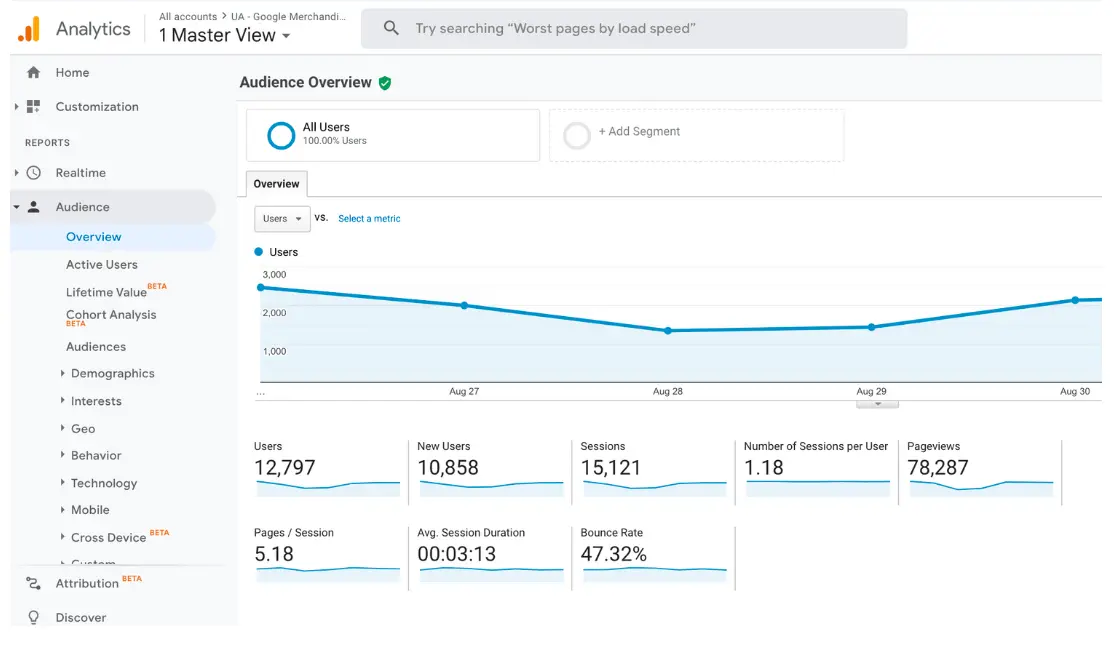
Source: Google Analytics
Surveys
Surveys are a standard method of collecting customer data, enabling businesses to gather specific information from many people.
Surveys can be conducted online or in person, and you can design them to collect a wide range of data, including demographics, attitudes, and behaviors.
By tracking the customer journey, businesses can identify pain points and opportunities for engagement.
Registration
Requiring customers to register for an account on your website or app is another way to collect data. Include the customer's name, email address, location, and data on their on-site activity.
Registration data is ideal for collecting demographic data and building an email list for email marketing.
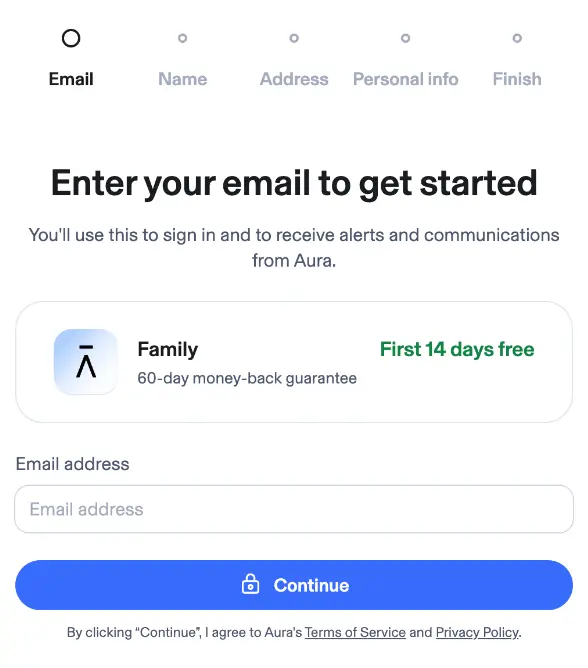
Source: Aura
Social media
Social media platforms like Facebook and Twitter can be a rich source of customer data, as they enable businesses to interact directly with customers.
You can see what your target audience discusses and the terminology they use, which allows you to gather data on their preferences and behaviors.
Cart abandonment
Collecting data on customers who abandon their shopping carts can provide valuable insights into why they didn't complete their purchase and what steps businesses can take to improve their sales process.
This attitudinal/behavioral data is essential in optimizing conversion rates and online sales.
Transactional information
Finally, collecting data on customer transactions can provide valuable insights into what products or services customers are most interested in and their purchasing habits and preferences.
It will also help you determine your average order value, deepen your understanding of ROI, and inform other budgeting decisions.
5 Best Practices for Collecting Customer Data
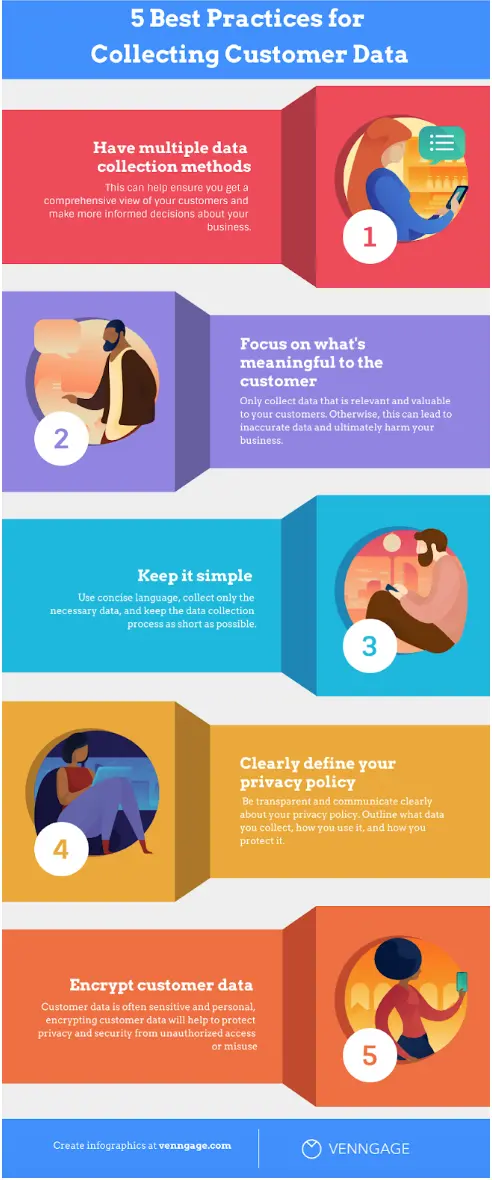
Collecting customer data itself is a science that requires testing and refinement.
If you incorporate these best practices into your customer data-collection strategy, you'll be well on your way to collecting relevant, valuable information without disrupting your customers.
1. Have multiple data collection methods
Using various data collection methods can help ensure you get a comprehensive view of your customers.
Leveraging a sibling path, open-source ETL tools, and web scraping are among the methods that can assist you in data collection. These methods allow you to gather real-time insights from multiple sources by extracting relevant data, identifying trends, and analyzing customer behavior across different platforms.
When collecting customer data through web scraping, scraping proxies can help distribute requests across different IP addresses and reduce interruptions caused by access restrictions.
For example, combining web tracking with survey and registration data can provide a comprehensive view of your target audience.
These three collection methods will provide you with demographic information about your customer base (registration), behavioral data from your site (behavioral), and attitudinal data from your surveys.
By using multiple data collection methods, you can better understand your customers and make more informed decisions about your business.
2. Focus on what's meaningful to the customer
It's essential to collect relevant and valuable data from your customers. If customers feel they're providing redundant information, they will likely abandon any process.
For instance, a SaaS business offering payroll software should ask consumers about their needs, including the number of employees, payment and currency options, and reporting requirements.
Focusing on what matters to your clients helps you adapt your products and marketing initiatives to better meet their needs.
Conversely, if you collect data that is not meaningful to your customers, they may feel their time is being wasted and be less likely to provide accurate responses. This can lead to inaccurate data and ultimately harm your business.
3. Keep it simple
When collecting customer data, it's important to keep things straightforward. Avoid asking too many questions or using complex language, as this can drive customers away from your site.
Use concise language, collect only the necessary data, and keep the data collection process as short as possible. You want your data collection process to improve your customers' experience.
Testing your data collection methods before implementing them at scale is also advisable. This can help you identify any issues or areas for improvement and ensure that your data collection process is as efficient and effective as possible.
4. Clearly define your privacy policy
It's important to clearly define your privacy policy and communicate it to your customers. This will help build trust and ensure your customers feel comfortable sharing their data.
Your privacy policy should outline what data you collect, how you use it, and how you protect it.
Being transparent about your data collection practices is important, as customers are increasingly concerned about their online privacy. By clearly communicating your privacy policy, you can build trust with your customers and demonstrate respect for their privacy.
5. Encrypt customer data
Encrypting customer data is a crucial best practice that helps protect customers' privacy and security.
Customer data is often sensitive and personal, and it is vital to protect it from unauthorized access or misuse. Encrypting customer data can help prevent unauthorized access.
This is particularly important if you collect data through online forms or websites. As this data is often transmitted over the Internet, it is vulnerable to cyberattacks, which can lead to identity theft or credit card fraud.
Encrypting emails and customer data can protect customer data from external threats and help prevent internal data breaches.
For example, if multiple employees have access to customer data, encrypting it can help prevent unauthorized access or misuse.
In addition, investing in FTPS server software enhances data security by enabling secure file exchanges with your organization through the FTPS (FTP over SSL/TLS) protocol.
Encrypting customer data can ensure its security and protect their privacy. This can help build trust with customers and show them that you take their data protection seriously.
Key Takeaways
Collecting customer data is crucial in modern business, enabling companies to understand their target audience and tailor products and services to meet their needs.
By following best data collection practices, including multiple methods, focusing on what's meaningful to the customer, keeping it simple, clearly defining their privacy policy, and encrypting their data, businesses can ensure they are collecting high-quality data that will help drive growth and success.
Frequently Asked Questions (FAQ)
1. What is first-party customer data?
First-party data is information you collect directly from your customers (or site visitors), such as form submissions, account registrations, purchase history, on-site behavior, and survey responses. Because it comes straight from your audience, it’s typically more accurate and useful than third-party data.
2. What types of customer data should I focus on collecting first?
Start with the basics that drive decisions:
- Demographic data (who they are)
- Behavioral data (what they do)
- Attitudinal data (what they think/feel)
The best mix depends on your business model—for example, ecommerce often benefits significantly from behavioral and transactional data, while SaaS leans more on attitudinal data such as satisfaction and retention signals.
3. What are the most effective ways to collect customer data?
Common high-value methods include:
- Web tracking (analytics and on-site behavior)
- Surveys (preferences, satisfaction, intent)
- Registration forms (demographics + contact info)
- Social media listening (language, interests, trends)
- Cart abandonment tracking (friction points + objections)
- Transactional data (what sells, when, to whom)
4. How can I collect customer data without hurting conversions?
Keep the process lightweight:
- Ask only for what you truly need
- Use clear, simple language
- Break longer forms into steps
- Offer value in return (discount, resource, early access)
- Test and iterate so you reduce friction over time
5. How do I collect customer data ethically and securely?
Make trust a feature:
- Publish a clear privacy policy explaining what you collect and why
- Limit internal access to sensitive data
- Use encryption and secure transmission (HTTPS/SSL)
- Store data responsibly and comply with applicable regulations (e.g., GDPR/CCPA where relevant)
When customers understand how their data helps them—and see you protecting it—they’re far more likely to share it.

Author Bio
Irina Maltseva 🇺🇦 is a Growth Lead at Aura and a Founder at ONSAAS. For the past seven years, she has helped SaaS companies grow their revenue through inbound marketing. At her previous company, Hunter, Irina helped 3M marketers build business connections that matter. Now, at Aura, Irina is working on her mission to create a safer internet for everyone. To get in touch, follow her on LinkedIn.