
A first order can feel like proof that acquisition worked. The customer found the store, trusted the product enough to pay, and made it through checkout.
What happens next is less certain. Many Shopify merchants still treat every first-time buyer as if the same follow-up sequence will move them toward a second purchase.
That misses an important distinction. Some customers are unlikely to return because the product they bought gives them no obvious next reason to shop. Others disappear after delivery without clicking, revisiting, or showing any measurable interest. A third group runs into a fulfillment problem before the relationship has had time to form. Those are three different risks, so they need three different responses.
None of these signals proves that one customer will never buy again. They do show where repeat-purchase risk is building, which is more useful than waiting months for a lapsed-customer report to confirm it.
Source: Pexels
Why First-Time Buyers Need Different Follow-Ups
First-time Shopify buyers need different retention responses because the reason they may not return is not the same from one customer to the next. A blanket post-purchase flow can keep sending messages while missing the thing that makes a second order unlikely.
Shopify's ecommerce customer retention guide shows why product context matters. Repeat buying differs sharply between products that naturally run out and products that may last for years.
A consumable can create another purchase occasion by itself. A durable product may not. Merchants should compare retention by first product purchased rather than judge every customer against one store-wide timetable.
Neil Hoyne, chief strategist for data and measurement at Google, makes a related point in a Shopify Masters interview: “You need to be mindful about what’s leading you to slightly better people [customers who stick with you longer and spend more money], and put a little bit more emphasis there and a little less emphasis on those people we know aren’t going to come back.” For a Shopify merchant, the useful signals are the ones that change what the store should do next.
Signal 1: The First Order Has No Natural Second Purchase
How to spot it in Shopify
A first order with no natural second-purchase path tells you that the customer may be satisfied and still have little reason to return. This is not the same as losing somebody because the experience went badly. The product may have done exactly what the customer wanted.
Look at the first item or product family and ask what a realistic second purchase would be. A skin-care product may lead to replenishment. A coffee maker may create future demand for filters or accessories.
A piece of furniture may have no sensible short-term repeat cycle. Shopify's retention guidance recommends comparing customer behavior by first product because different categories create very different repeat-purchase patterns.
Avocado Green Brands is a useful public example. Shopify's complementary-goods guide notes that most customers only buy a mattress every several years, so the company built a complementary product cycle around pillows, organic sheets, mattress protectors, and other related products.
The original purchase did not naturally create another mattress purchase, but it did create several relevant reasons to return.
A Shopify merchant can look for the same pattern in their own store. Start with customers who have placed one order, then narrow the segment by the product they purchased using Shopify's products_purchased filter.
In the Customer cohort analysis report, the merchant can filter the cohort by first-order product and compare customer retention rates across product groups. That shows whether customers entering through a particular product actually return less often than buyers entering through other categories.
How to respond: create the next reason to return
The right response is to make a credible next purchase path visible without pretending the original item needs replacing.
A Shopify merchant can introduce a complementary product, connect the buyer to a useful product-care path, or bring them back when there is a relevant reason.
A first-time buyer of a camera bag, for example, probably does not need another bag next week. Organizers or storage accessories may become relevant once the customer has used it. That context gives the store something more useful to say than “come back for 10% off.”
Our guide to Shopify popup personalization makes the same broader point on-site: the message should reflect what the shopper is doing rather than repeat the same offer to every visitor.
Once a merchant identifies first-order products with a weak natural repurchase path, POWR Popup can support the next step by showing a relevant complementary category when shoppers return to selected product or collection pages. The aim is not to push another discount. It is to make the next logical product relationship easier to discover.
Source: Pexels
Signal 2: The Customer Goes Quiet After Delivery
How to spot it in Shopify
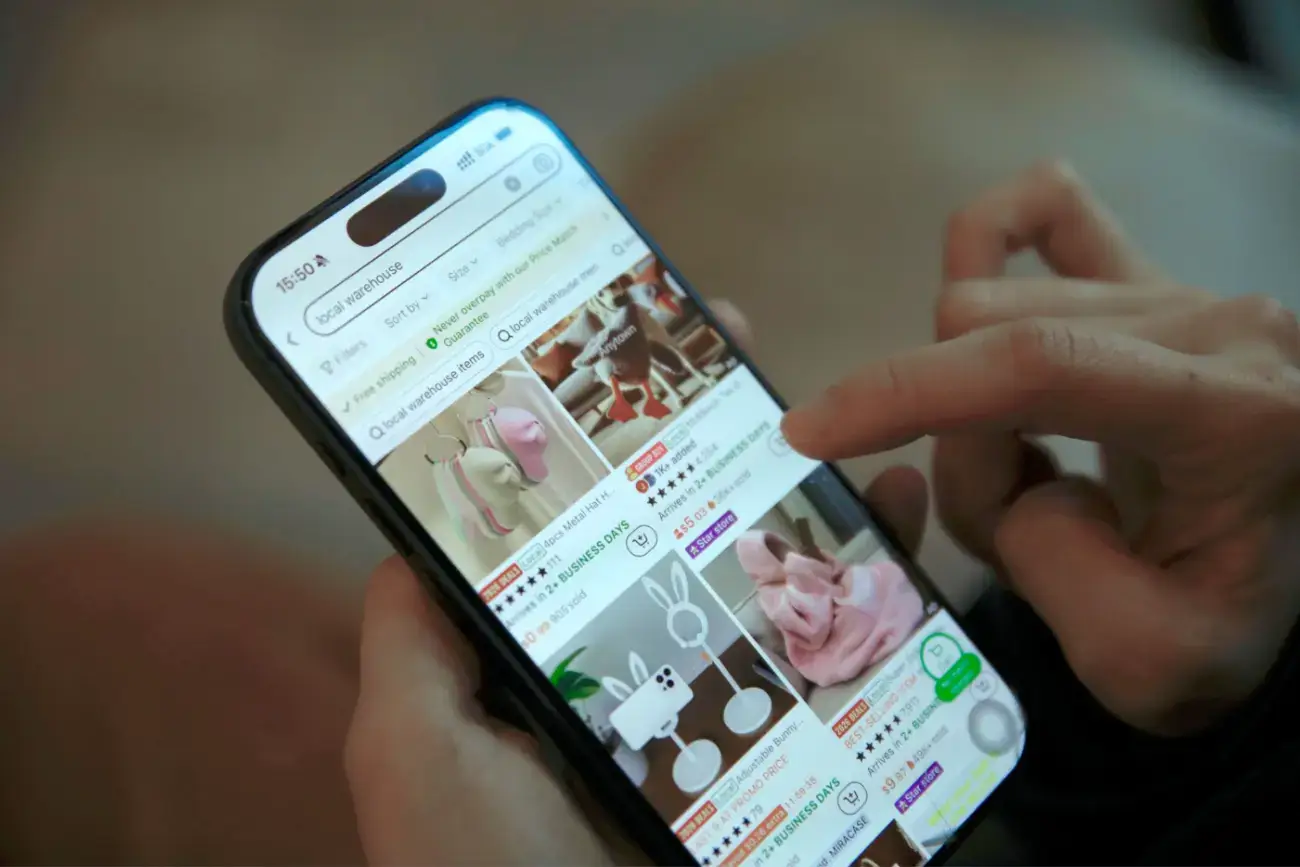
Post-purchase silence tells you that the store has not yet created a measurable reason for the customer to re-engage. A buyer who does not click a post-purchase message, revisit the store, view another product, or take an account action gives the merchant little evidence of an active relationship.
It is still useful as a routing signal because “no visible engagement” calls for a different response from “browsing again but not buying.”
Surreal offers a useful public example of how that response can change once a customer becomes inactive. Shopify's retention email guide highlights the cereal brand's win-back email because it tries to restart the relationship with humor rather than immediately leading with another discount.
The example does not tell us Surreal's exact internal segment rules, but it shows the practical distinction: when customer behavior changes, the message should change with it.
In Shopify, a merchant can start by creating a segment for customers who still have only one order after the store's normal observation window. The timeframe should match the product rather than use an arbitrary number of days.
From there, engagement behavior can determine the next route instead of automatically putting every one-order customer into the same win-back flow.
This is why email open rate alone is a weak version of the signal. A click, return visit, product view, preference update, or direct response gives the merchant a clearer behavior to work with.
Shopify's customer cohort reports let merchants compare first-order groups and see when customers come back, making it possible to test whether early silence is actually connected to weaker repeat behavior in that store.
McKinsey's consumer decision journey research also treats the post-purchase stage as part of the next buying decision. The customer's experience after the transaction helps shape what happens when the category comes back into consideration.
How to respond: change the reason to engage
The response to silence should not be “send more email.” Give the customer a better reason to interact. That could be product-use guidance tied to what they bought, an invitation to set preferences, or a message built around a genuine future need.
If there is still no response, reduce the pressure rather than increasing frequency. The merchant can move that buyer into a lower-intensity segment and wait for a stronger trigger, such as realistic replenishment timing or a return visit.
POWR Email gives Shopify merchants a practical way to make that distinction. Its automations can start when a customer enters a Shopify segment, then use behavior filters such as whether someone clicked or did not click an earlier email.
A quiet first-time buyer can therefore receive a different path from someone who is already showing interest, instead of getting another copy of the same message.
Our email marketing guide for ecommerce brands separates post-purchase and win-back flows. That distinction matters here. A new customer who has gone quiet is not automatically the same as a long-lapsed buyer.
Source: Pexels
Signal 3: Something Went Wrong With the First Order
How to spot it in Shopify
A fulfillment exception tells you that retention risk may be coming from the first-order experience itself. If an item arrives late, reaches the customer in poor condition, or leads to a refund or support case, asking for another purchase before repairing the experience puts the sequence in the wrong order.
A separate e-commerce logistics study indexed by PubMed found that delivery service quality and return logistics influence customer satisfaction.
For a Shopify merchant, that makes a fulfillment problem more than an operational exception. It can become an early retention risk. The message for Shopify merchants is practical: what happens after checkout can shape whether another purchase feels safe.
Context still matters. A routine size exchange may be normal for one apparel store, while a damaged first order is a much stronger warning. The signal should be an order-level exception that changes the customer's experience, not every support interaction.
EasyStandard provides a useful public example of what this looks like operationally. In a Shopify case study on EasyStandard, the apparel brand says its team previously spent considerable time tracking order issues and responding to support tickets before changing its fulfillment setup.
After moving fulfillment into Shopify's network, the company reported a 93% on-time delivery rate and fewer backend issues.
The lesson for a smaller Shopify merchant is not that it needs the same fulfillment setup. It is that order problems and support cases should be treated as customer signals rather than disappearing inside day-to-day operations.
Shopify Flow can make that visible. A merchant can use the Refund created trigger and an Add customer tags action to label affected customers with a tag such as first_order_refund. Shopify also provides a Flow template for tagging a customer and creating a support ticket after a refund.
The tagged customers can then be separated from the normal post-purchase audience so the store resolves the problem before asking for another sale.
How to respond: repair the experience before asking for another order
The response here should be service recovery, not another retention offer. Resolve the delivery or product issue, confirm that the customer received what they expected, and give them an easy way to say when something is still wrong.
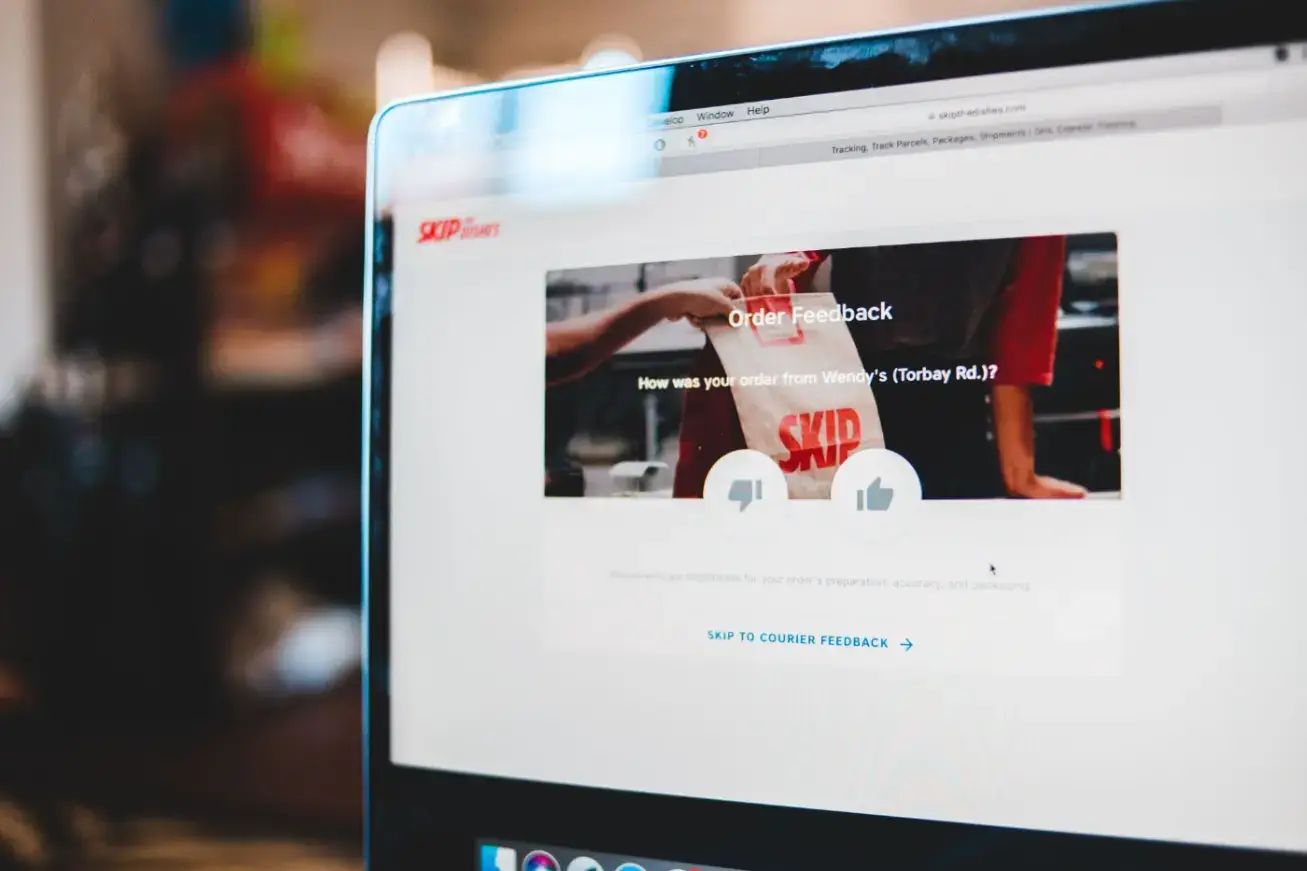
Refunds and support cases capture problems only after the customer reports them or the store takes an action. A short post-purchase feedback form can surface issues earlier.
A merchant might ask one direct question after delivery: “Did everything arrive as expected?” A negative response can open a second field for details so the team can separate a delivery problem from a product issue before sending another sales message.
Our Shopify contact form guide shows how forms can collect the type of inquiry before a team responds. The same approach works after purchase when the goal is to separate a product issue from a delivery problem while the order is still fresh.
This is also where POWR Form Builder for Shopify fits naturally. Shopify merchants can create a short feedback form with conditional fields, so customers without an issue finish quickly while customers reporting a problem can provide the information needed for follow-up.
Source: Pexels
Match Each Signal to Its Own Follow-Up
Shopify merchants should use the three signals as routing rules, not as one risk score that triggers the same campaign. The value comes from identifying why a customer may not return and matching the next action to that reason.
Shopify's customer reports can help merchants compare these groups over time. Instead of asking only, “What is our repeat purchase rate?” review repeat behavior by first product, first-order cohort, and customers who experienced refunds or service cases. That shows whether each signal actually predicts weaker second-order behavior in your own store.
The timing should also match the category. Seven days of silence may be meaningful for one consumables brand and almost meaningless for a furniture store. A signal earns its place when it changes a decision and keeps proving useful against real customer behavior.
Diagnose the Risk Before Launching Another Retention Campaign
Shopify stores should identify which risk they are responding to before choosing the retention message.
A first-time buyer with no natural second-purchase path, a buyer who has gone quiet, and a buyer whose first order went wrong should not enter the same follow-up journey.
Retention is not only a question of how often a store contacts first-time buyers. It is a routing problem. The merchant needs to recognize what changed after the first purchase, then choose the response that fits that change.
A second purchase becomes more likely when the store gives the customer a real next reason to buy, a useful reason to re-engage, or a clear path to repair a poor first experience. The signals are different, and the response should be different too.
Author Bio
Arjun is a business growth strategist at WeblineIndia, a software development company. Apart from building long-term relationships with customers and boosting business revenue, he is also interested in sharing his knowledge of various technologies through successful blog posts and articles.