
Restaurant operations have always depended on one critical factor: having the right number of employees available at the right time.
Yet staff scheduling remains one of the most challenging and time-consuming responsibilities for restaurant managers.
From handling employee availability and shift swaps to forecasting customer demand and controlling labor costs, scheduling is a constant balancing act.
In an industry already facing labor shortages, high turnover rates, and rising wage pressures, manual scheduling methods are becoming increasingly inefficient.
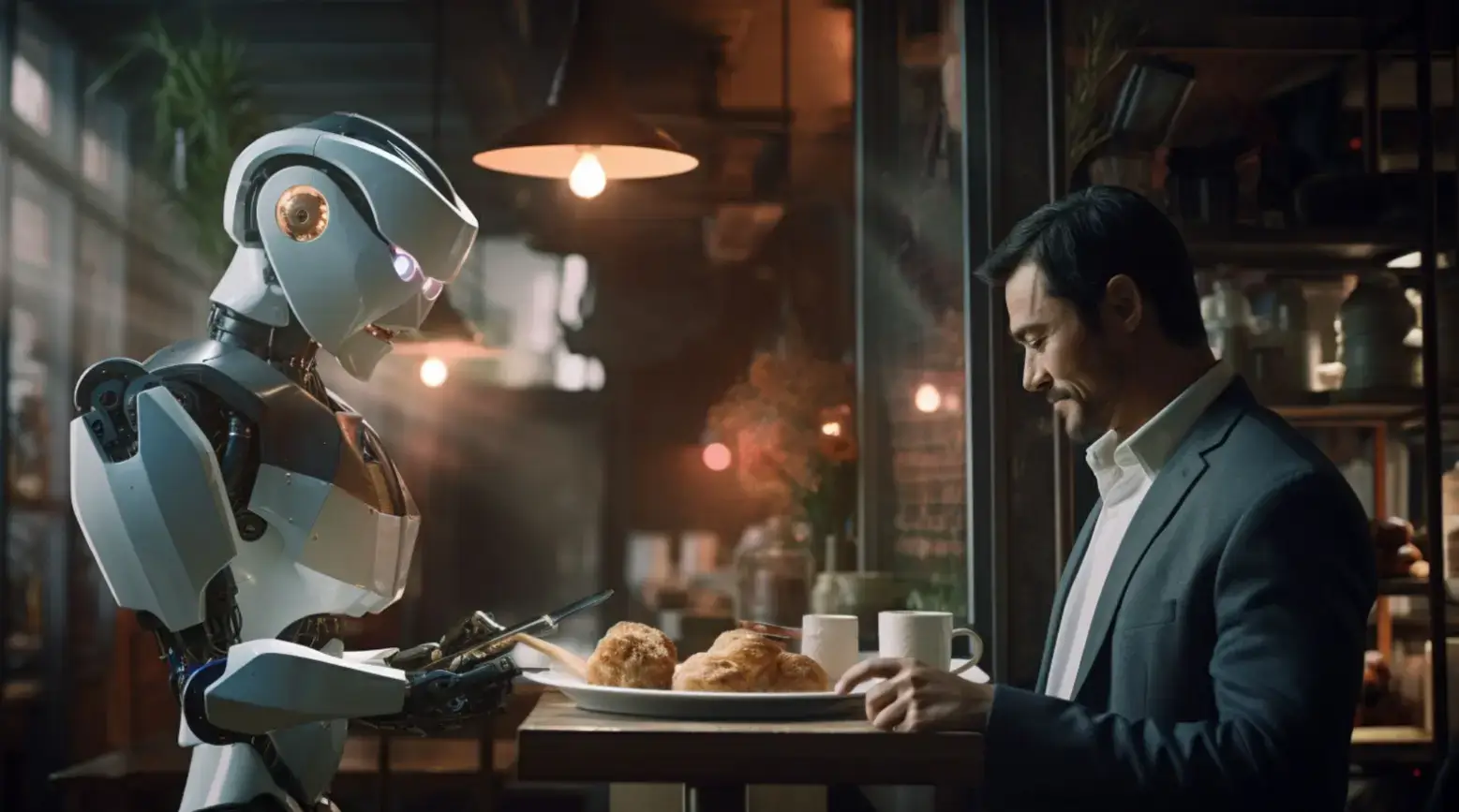
This is why restaurants across the globe are turning to Artificial Intelligence (AI) to automate staff scheduling.
Staff scheduling is only one example of how AI for restaurants can be applied to reduce administrative work and improve operational efficiency across the business.
AI-powered scheduling platforms are transforming workforce management by analyzing historical sales data, employee preferences, labor regulations, weather forecasts, local events, and staffing requirements to create optimized schedules automatically. Rather than spending hours building schedules manually, restaurant managers can generate accurate staffing plans in minutes.
In 2026, AI scheduling is no longer viewed as a luxury technology. For many restaurant operators, it has become a competitive necessity.
Source: Magnific
Manual Scheduling Costs Restaurants 6 to 8 Hours a Week
Restaurant scheduling is far more complicated than simply assigning employees to shifts.
Managers must consider:
- Employee availability
- Skill levels and certifications
- Labor budgets
- Overtime regulations
- Peak business hours
- Shift preferences
- Time-off requests
- Compliance requirements
- Unexpected call-outs
A single scheduling mistake can lead to overstaffing, understaffing, increased labor costs, employee dissatisfaction, and poor customer experiences.
Industry research indicates that restaurant managers often spend between 6 and 8 hours each week creating and adjusting schedules manually.
AI scheduling can reduce that workload dramatically while improving schedule accuracy.
Many restaurants still rely on spreadsheets, paper schedules, or basic scheduling software that lacks forecasting capabilities. Creative videos can also make employee training and communication more engaging.
Source: Magnific
Common problems include:
Overstaffing
Too many employees scheduled during slow periods increases labor costs and reduces profitability.
Understaffing
Insufficient staffing during peak hours leads to slower service, longer wait times, and frustrated customers.
Last-Minute Shift Gaps
Unexpected employee absences often leave managers scrambling to find replacements.
Scheduling Conflicts
Employees may be assigned shifts when unavailable, creating operational disruptions.
Manager Burnout
Restaurant managers often spend hours each week building and adjusting schedules manually.
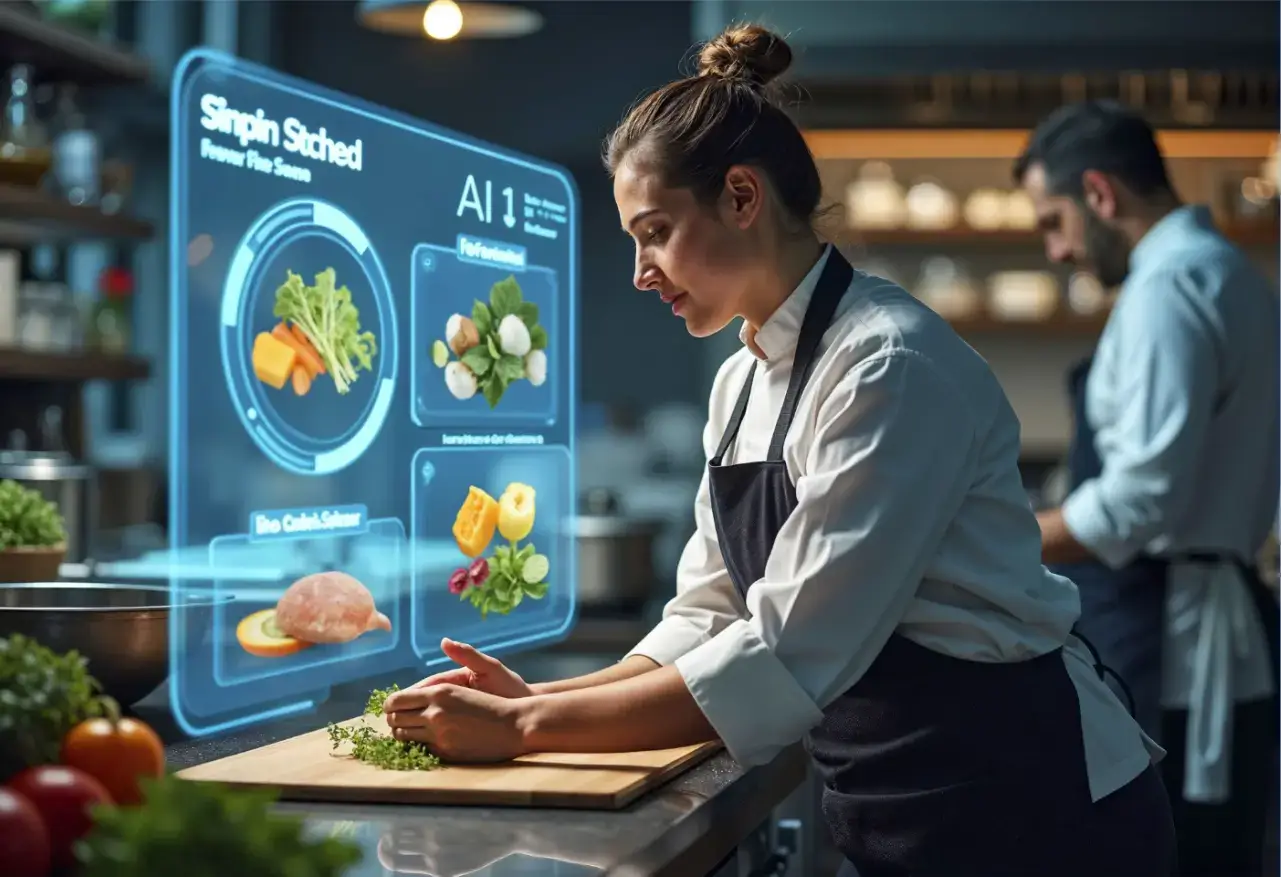
AI scheduling platforms help eliminate these issues by automating schedule creation and continuously optimizing staffing levels.
AI Tracks Data No Manager Can Process in Real Time
Restaurant scheduling has traditionally relied on manager experience, spreadsheets, and manual adjustments. While these approaches can work, they often become difficult to manage as businesses grow or experience fluctuating demand.
AI-powered scheduling tools are designed to assist managers by analyzing factors such as historical sales patterns, employee availability, labor requirements, and operational constraints.
The goal is not to replace managerial decision-making but to provide data-driven recommendations that may help improve scheduling efficiency.
Restaurants are increasingly evaluating these technologies as part of broader workforce management initiatives aimed at reducing administrative burdens and improving operational visibility.
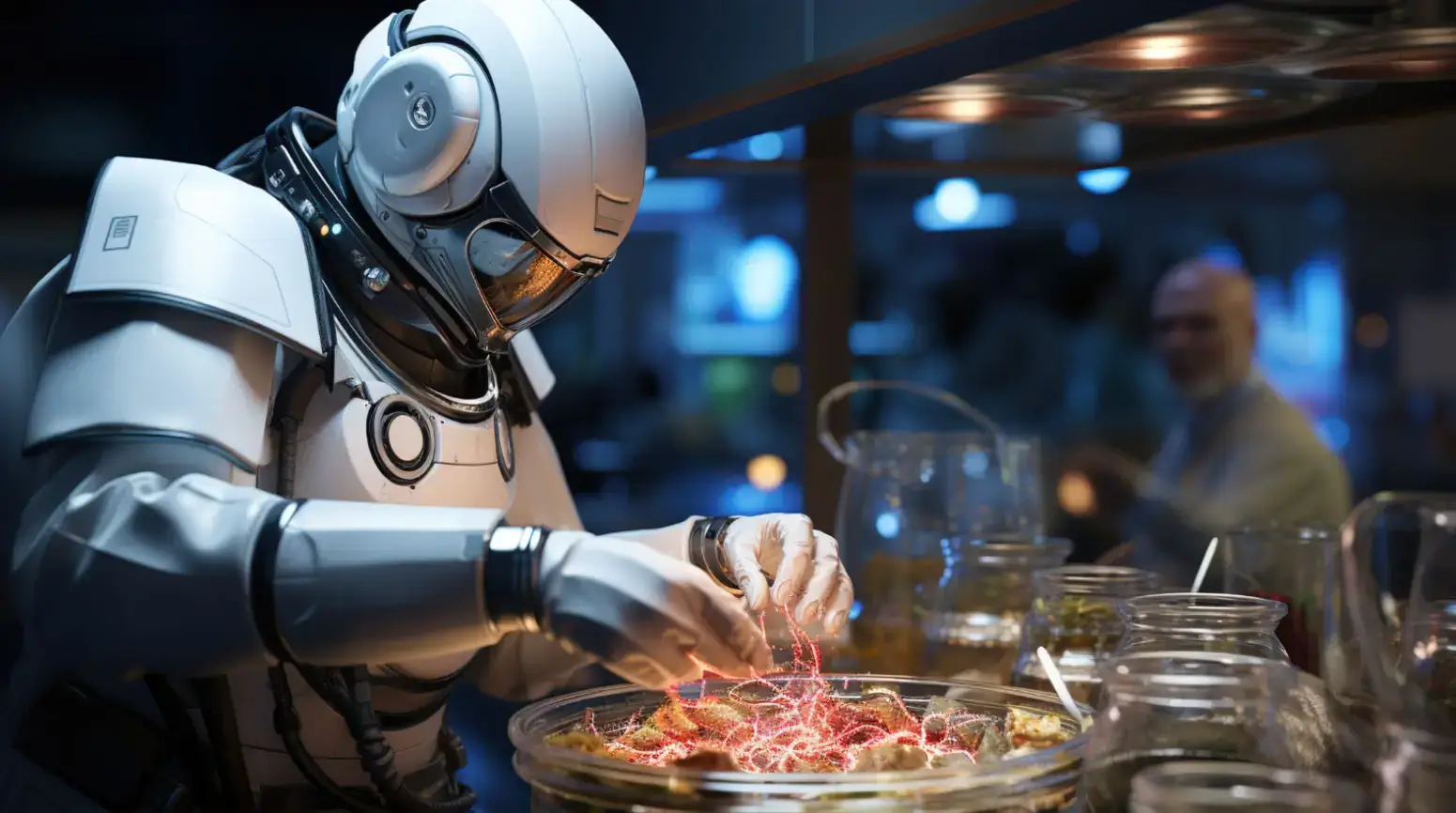
Source: Magnific
Traditional scheduling often relies on manager experience and intuition. While valuable, human judgment alone can struggle to account for hundreds of variables simultaneously.
AI systems can process:
- Historical sales trends
- Seasonal demand
- Reservation volumes
- Weather forecasts
- Local events
- Staffing requirements
By analyzing these factors in real time, AI creates more accurate staffing plans that align workforce levels with expected customer demand.
Automated Schedules Free Managers for Higher-Value Work
Restaurant managers are responsible for much more than creating schedules. They oversee service quality, inventory, customer satisfaction, training, and operational performance.
Manual scheduling consumes valuable hours that could be spent improving guest experiences or coaching staff.
AI scheduling platforms can generate schedules within minutes, reducing administrative work. This allows managers to focus on strategic initiatives rather than repetitive scheduling tasks.
Self-Service Scheduling Cuts Turnover
Employee scheduling is a major contributor to workplace satisfaction.
Workers increasingly expect:
- Flexible scheduling
- Fair shift distribution
- Schedule transparency
- Easier shift swaps
Modern AI scheduling platforms provide self-service capabilities that allow employees to:
- Submit availability
- Request time off
- Swap shifts
- Pick up open shifts
This flexibility improves work-life balance and helps reduce employee frustration.

Source: Magnific
The restaurant industry experiences some of the highest turnover rates of any sector.
Poor scheduling practices often contribute to employee burnout and dissatisfaction.
AI-powered workforce management systems help create more balanced schedules by considering:
- Preferred working hours
- Employee availability
- Consecutive shift limits
- Fair workload distribution
Compliance Is the Highest-Stakes Feature in Any Scheduling Tool
Labor regulations are becoming increasingly complex.
Restaurants must comply with rules involving:
- Overtime thresholds
- Mandatory breaks
- Predictive scheduling laws
- Maximum working hours
- Minor employment regulations
Manual compliance monitoring can be difficult and error-prone.
AI scheduling systems automatically apply labor rules during schedule creation, reducing legal risks and compliance violations.
AI Resolves Call-Outs in Minutes
Unexpected employee absences are inevitable.
Traditional scheduling often requires managers to spend hours contacting employees and adjusting schedules.
AI workforce platforms can:
- Identify available replacements
- Recommend optimal substitutes
- Notify qualified employees automatically
- Update schedules instantly
This enables restaurants to respond quickly to staffing disruptions while maintaining service quality.
Forecasting Replaces Reactive Staffing With Proactive Planning
One of the most powerful capabilities of AI scheduling is predictive forecasting.
Advanced systems analyze historical operational data to anticipate:
- Busy dining periods
- Seasonal fluctuations
- Special events
- Promotional impacts
- Weather-driven traffic changes
Instead of reacting to demand, restaurants can proactively schedule staff to meet anticipated customer volumes.
POS and Reservation Integrations Drive Forecast Accuracy
Modern AI scheduling solutions do not operate in isolation. They integrate with other restaurant systems to provide more accurate workforce planning.
Point of Sale (POS) Systems
AI can analyze:
- Daily sales
- Average transaction values
- Hourly customer traffic
- Seasonal trends
This data helps predict staffing requirements more accurately.
Reservation Platforms
Reservations provide visibility into expected customer demand. AI scheduling software uses reservation data to ensure adequate staffing during busy periods.
Payroll Systems
Integration with payroll systems helps restaurants:
- Track labor costs in real time
- Monitor overtime exposure
- Maintain budget compliance
Employee Apps
Staff members can:
- View schedules
- Request time off
- Swap shifts
- Accept open shifts
This improves communication and workforce flexibility.
Multi-Location Operators See Compounding Gains
Scheduling becomes significantly more complex when restaurants operate across multiple locations.
AI helps restaurant chains by:
- Standardizing scheduling practices
- Monitoring labor costs across locations
- Sharing employees between nearby locations
- Forecasting staffing requirements for each restaurant individually
Multi-location operators gain centralized visibility while maintaining location-specific workforce optimization.
For growing restaurant brands, AI scheduling creates operational consistency that is difficult to achieve through manual processes.
What to Look for When Evaluating an AI Scheduling Tool

Not all scheduling solutions offer the same capabilities.
Restaurants evaluating AI scheduling platforms should prioritize:
Demand Forecasting
The ability to predict staffing needs based on historical and real-time data.
Automated Schedule Generation
Automatically creating optimized schedules with minimal manager involvement.
Labor Cost Tracking
Real-time visibility into labor spending and budget performance.
Compliance Management
Built-in safeguards against labor law violations.
Mobile Accessibility
Employee self-service access through mobile apps.
Shift Marketplace
A system that enables employees to exchange shifts without manager intervention.
Predictive Analytics
Advanced forecasting that helps managers prepare for future staffing needs.
The Same Logic Applies to Retail, Healthcare, and Other Shift-Based Businesses
While this article focuses on restaurants, the operational challenges that drive the adoption of AI scheduling are not unique to the food service industry.
Small businesses across many sectors face similar workforce management issues, including fluctuating demand, staffing shortages, labor cost pressures, and administrative inefficiencies.
Industries such as retail, healthcare clinics, home services, hospitality, fitness centers, and customer support operations often struggle with scheduling employees efficiently while maintaining service quality.
Like restaurants, these businesses must balance staffing levels with customer demand while controlling labor costs.
Rather than relying solely on manual processes or manager intuition, AI tools can analyze historical patterns, employee availability, seasonal trends, and workload forecasts. Similarly, the best AI tools for content marketing can support smarter, data-driven planning decisions.
For example:
- Retail stores can align staffing with expected customer traffic during sales events and holidays.
- Home service companies can optimize technician schedules based on appointment demand.
- Healthcare practices can better manage front-office and support staff during peak patient hours.
- Fitness centers can schedule instructors and support personnel based on class attendance trends.
Small business owners do not necessarily need enterprise-scale AI platforms to benefit from workforce automation.
Many modern scheduling solutions offer affordable features such as shift management, availability tracking, automated notifications, and demand forecasting that can help improve efficiency regardless of business size.
However, it is important to recognize that AI scheduling is not a one-size-fits-all solution. Results depend on factors such as workforce size, data quality, operational complexity, and implementation practices.
Businesses should evaluate their specific needs and operational goals before investing in automation technologies.
Ultimately, the broader takeaway is that workforce optimization is becoming increasingly important for businesses of all sizes.
Restaurants may be among the earliest adopters of AI scheduling, but the principles behind smarter workforce management can help organizations across many industries improve productivity, employee satisfaction, and operational performance.
As workforce management becomes increasingly complex, restaurants are turning to AI-powered scheduling tools to improve efficiency, reduce administrative burden, and make more informed staffing decisions.
By analyzing workforce data, demand forecasts, labor requirements, and employee preferences, AI scheduling systems help restaurants create more accurate schedules while adapting to changing business conditions.
These capabilities can improve labor utilization, strengthen schedule coordination, and give managers greater visibility into staffing needs.
The growing adoption of AI scheduling reflects a broader shift toward data-driven operations in the restaurant industry.
As technology continues to evolve, AI-powered workforce management is becoming an important tool for restaurants seeking to optimize labor planning, improve operational performance, and deliver consistent customer experiences.
By automating one of the most time-consuming administrative tasks in restaurant management, AI enables managers to focus on what truly matters: delivering outstanding dining experiences and growing their businesses.
Frequently Asked Questions
1. Is AI scheduling only useful for restaurants?
No. While restaurants are among the most active adopters, businesses in retail, healthcare, hospitality, field services, and other service-based industries can also benefit from workforce scheduling automation.
2. How expensive is AI scheduling software?
Costs vary depending on the provider, business size, and feature requirements. Many scheduling platforms offer subscription-based pricing designed for small and mid-sized businesses, while larger enterprises may require more advanced workforce management solutions.
3. Does AI scheduling replace managers?
No. AI scheduling tools are designed to assist managers by automating repetitive scheduling tasks and providing data-driven recommendations. Human oversight remains important for handling exceptions, employee concerns, and operational decisions.
4. What are the biggest benefits of AI scheduling?
Potential benefits include reduced administrative workload, improved schedule accuracy, better labor cost management, increased employee flexibility, and more efficient workforce planning. Actual results will vary based on how the technology is implemented and used.
5. What should small businesses consider before adopting AI scheduling?
Business owners should evaluate their scheduling challenges, workforce size, budget, integration requirements, and expected return on investment. Starting with a pilot implementation can help determine whether the solution aligns with operational needs.

Author Bio
Shanmugapragash (SP) is VP of Enterprise Data & AI Solutions at Intellectyx. With more than 25 years of experience in data, analytics, and artificial intelligence, he helps organizations implement scalable technology solutions across industries. His areas of expertise include AI strategy, automation, data engineering, enterprise AI applications, and AI workforce planning.