
In an era where digital presence defines a brand's success, website apps have emerged as a key component in bridging the gap between businesses and their audience.
Advanced tools and integrations simplify lead generation, conversion optimization, and customer service management, empowering companies to create seamless online experiences.
As competition intensifies, embracing technology that tailors websites to unique business needs has become a strategic necessity rather than a nice-to-have.
Clear consumer data supports the case for investing in website functionality.
Forrester finds that companies leading on customer experience consistently outperform peers on revenue growth, and that targeted improvements to interface design and overall user experience can deliver substantial gains in conversion. For small and mid-sized businesses, those gains often decide whether a website pays for itself.
Static Sites Lost. Interactive Won.
Over the past decade, the online business landscape has undergone a significant transformation, fueled by interactive web apps. Originally, websites were static brochures.
Today, they are interactive platforms that provide dynamic marketing, sales, and customer support solutions. By integrating customizable features, companies can engage visitors with personalized content, interactive forms, and real-time chat support, while also collecting data to refine their services.
This shift toward on-demand interactivity is supported by the growing popularity of no-code tools.
In practice, that means entrepreneurs and marketing teams now ship features that once required dedicated engineering, and small businesses can compete on customer experience with much larger brands.
Content strategy also plays an important role in maximizing the value of website apps. Businesses looking to improve engagement can explore resources on website content planning and conversion-focused messaging.
Source: Unsplash
Security is a Conversion Problem, Not Just an IT One
As digital services evolve, so do the risks associated with them. Cybersecurity remains a top concern for businesses striving to protect customer data and maintain trust.
The Verizon Data Breach Investigations Report consistently finds that the human element, including weak or reused passwords, is involved in the majority of breaches.
One of the foundational aspects of digital security is therefore the use of strong, unique passwords for every account. A password generator is one practical way to create unique credentials for each login and avoid reuse across systems.
Beyond using secure passwords, website administrators can strengthen their defenses with a few core practices:
- Multifactor authentication on admin accounts and integrated services.
- Regular security audits covering plugins, third-party scripts, and user permissions.
- Encryption in transit and at rest for forms, payments, and any data exchanged with visitors.
For a structured starting point, the OWASP Top Ten is a widely referenced industry guide that identifies the most critical web application security risks and provides a clear framework for reducing vulnerabilities.
Pairing those controls with privacy-focused service providers helps ensure that customer interactions remain confidential and safeguarded.
Friction Kills Carts. Apps Remove It.

Source: Unsplash
While security is paramount, customer engagement remains at the heart of digital business strategy.
Website apps such as customizable call-to-action popups, booking forms, reviews widgets, and live chat make websites more interactive and easier to act on.
The opportunity is significant: Baymard Institute reports an average online cart abandonment rate of around 70%, with checkout friction, account requirements, and trust signals among the most common causes.
Interactive apps that shorten the path from intent to action, such as inline forms, smart search, and progressive disclosure, directly address that friction.
Lead generation tools that capture preferences, plus behavior analytics that show how visitors move through key pages, allow businesses to nurture prospects and continually refine layouts and messaging.
For e-commerce teams specifically, we have outlined four strategies to drive ecommerce sales that work well alongside the conversion tactics described above.
In practice, simplifying the visitor journey is critical. When online interactions flow smoothly from the first click to checkout or booking, the customer experience becomes memorable, immediate sales rise, and long-term loyalty and advocacy follow.
Customize to a Metric, Not a Feature List

Source: Unsplash
Effective use of website apps goes beyond adding visible features. It requires strategic integration aligned with business goals.
Start by defining core objectives, whether that is increasing lead generation, enhancing customer service, or driving conversions, then select tools that support those specific targets.
Modern platforms offer modular app solutions, so every element added to a website can be configured to match the brand's identity.
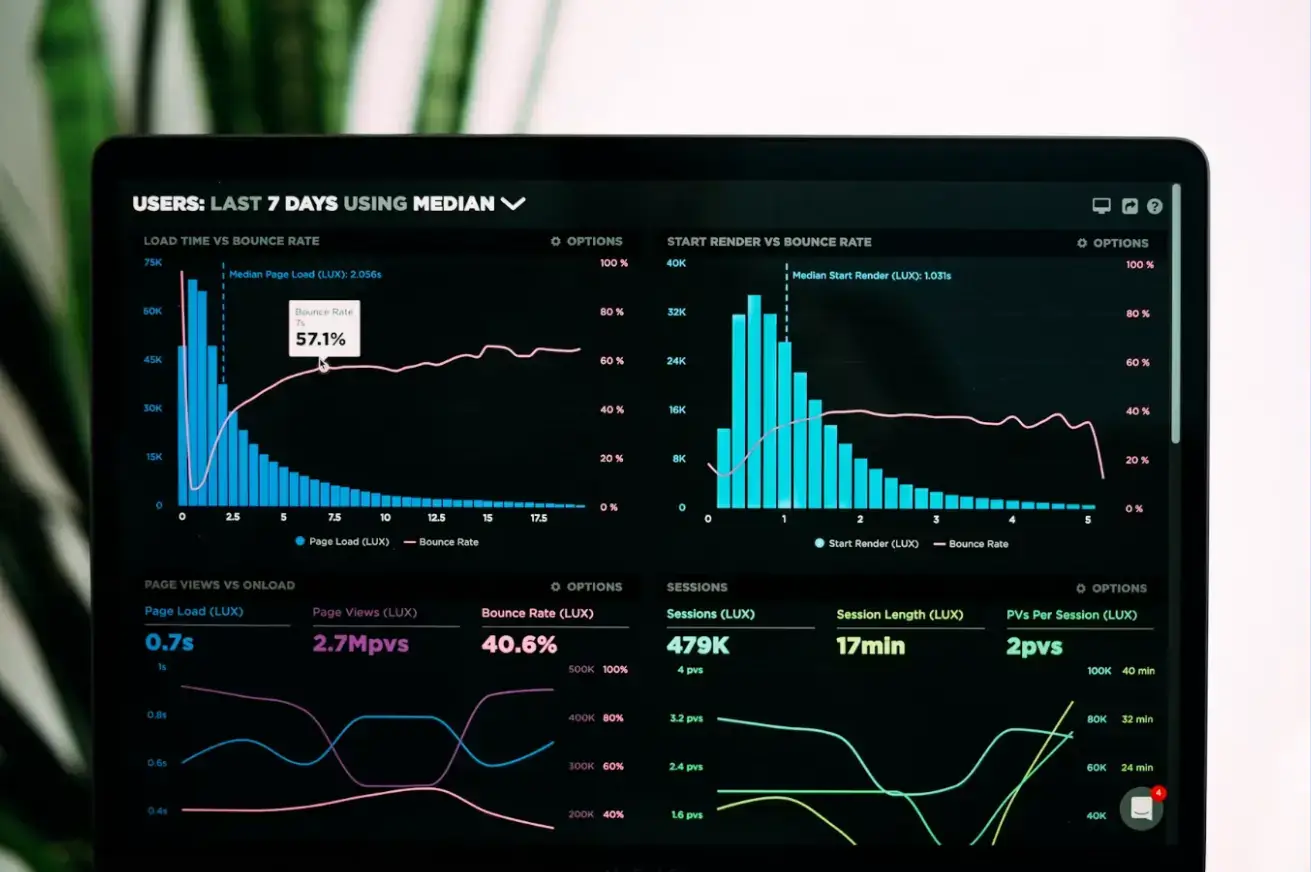
Regular testing and refinement are essential. Analytics that track how visitors interact with different components reveal which website apps perform well and which need adjustment.
Forrester research indicates that companies investing in customer experience improvements consistently outperform peers on revenue growth, so treating each app as a testable hypothesis rather than a one-off install pays compounding returns.
As part of an ongoing digital strategy, many companies also connect their website apps with other business-critical tools, including email marketing, CRM, helpdesk, and e-commerce platforms, and even a mass texting mobile app so lead and support conversations that start on the website can continue over SMS.
This creates a holistic ecosystem where data flows seamlessly between marketing, sales, and customer service, which in turn streamlines operations and supports faster decision-making.
Maximizing Business Growth with Digital Innovation
The transition to interactive, app-powered websites is more than a technological upgrade. It is a fundamental shift in how businesses engage with their customers.
Enhanced website functionality translates directly into better user experiences, higher conversion rates, and stronger brand loyalty.
AI-assisted features are also reshaping what website apps can do, from intelligent product recommendations to automated support.
We explore this trend in 5 ways artificial intelligence is powering ecommerce, which is useful context for teams planning their next wave of website improvements.
When evaluating tools to customize and optimize a website, look for solutions that simplify design, improve user interaction, and integrate cleanly with the rest of your stack.
No-code app suites can be a strong fit for small business owners who manage several aspects of their digital presence at once, but the underlying principles apply regardless of vendor: pick tools that map to a measurable goal, keep the visitor journey simple, and invest in security and privacy from day one.
Ultimately, the combination of technology and strategic planning drives the future of online business.
Companies that treat their digital presence as an evolving platform rather than a static asset will be best positioned to thrive as the landscape continues to change.
Frequently Asked Questions
What Exactly Are Website Apps?
Website apps, sometimes called widgets or plugins, are modular features you can add to a website to handle specific tasks such as contact forms, popups, image galleries, reviews, live chat, booking, or social feeds. Most modern apps are no-code, so site owners can configure and embed them without engineering support.
How Do Website Apps Help Small Businesses Compete with Larger Brands?
They give small teams access to the same kinds of interactive experiences large brands offer, including lead capture, scheduling, social proof, and personalized popups, without the cost of custom development. That levels the playing field on customer experience, which is one of the main drivers of conversion.
Are Website Apps Safe to Use From a Security Perspective?
Reputable apps are safe when you follow basic hygiene: keep them updated, limit admin access, use strong unique passwords with multifactor authentication, and choose vendors that document how they handle data. Reviewing the OWASP Top Ten alongside your provider's security documentation is a useful baseline.
Which Website Apps Have the Biggest Impact on Conversions?
For most sites, the highest-impact apps are the ones that remove friction at decision points: clear calls to action, inline lead forms, social proof such as reviews and testimonials, exit-intent popups with relevant offers, and live chat. Test one change at a time so you can see what actually moves the metric.
How Should I Prioritize Customization without Overloading the Site?
Start from a goal, not a feature list. Pick one or two metrics to improve, such as lead form submissions or checkout completion, and only add apps that map to those metrics. Audit your stack every quarter and remove anything that is not pulling its weight, since extra scripts can slow the site and hurt conversion.
Innovative website apps have become a core driver of modern business growth, blending interactivity, security, and personalization into one seamless experience.
By choosing the right tools, prioritizing data protection, and continuously refining the visitor journey, businesses can turn their website into a reliable engine for engagement and conversion.
The companies that treat their digital presence as an evolving platform rather than a static asset will be best positioned to thrive in an increasingly competitive online landscape.

Author Bio
Marta Lindqvist is a digital strategy writer with more than a decade of experience helping small and mid-sized businesses translate website performance data into practical growth plans. She writes about conversion optimization, no-code tools, and privacy-first marketing for European SMB audiences.