

Branding is not just a buzzword in modern marketing. It's the key to defining your business’s reputation and making it stand out in a sea of competitors.
Brand design is at the heart of branding, creating a unique visual identity that sets you apart.
You’re selling not only your products or services but also your ideology, feelings, and experiences. Companies with incredible brands like Netflix know what they want their customers to experience.
In this article:
- 8 Key Concepts of Brand Design
- Why is brand design so important?
Center your marketing campaigns on branding. Why? Branding helps you develop a unique visual identity, which is where brand design comes in.
What is a brand design, and why is it important in modern marketing? Read on to learn more.
What is brand design?
Source: Linearity
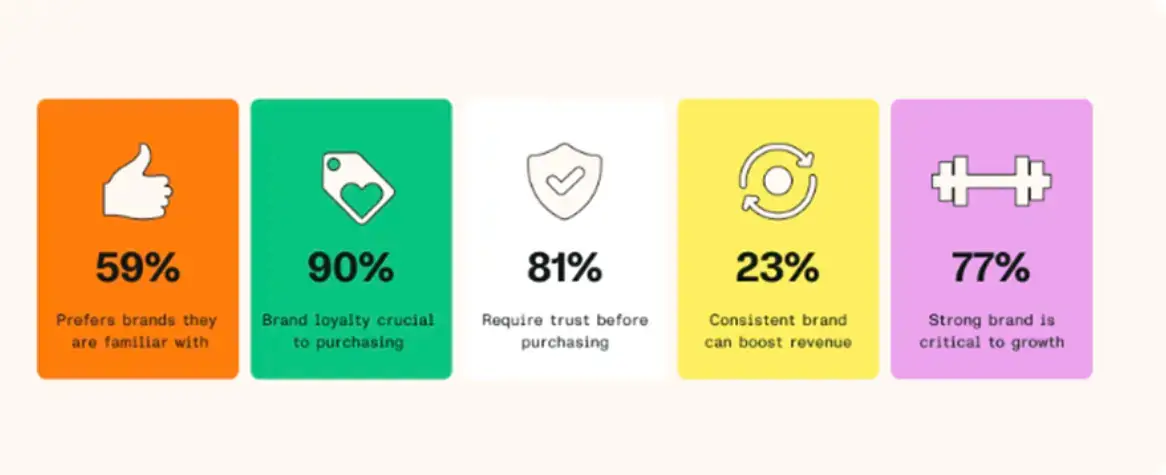
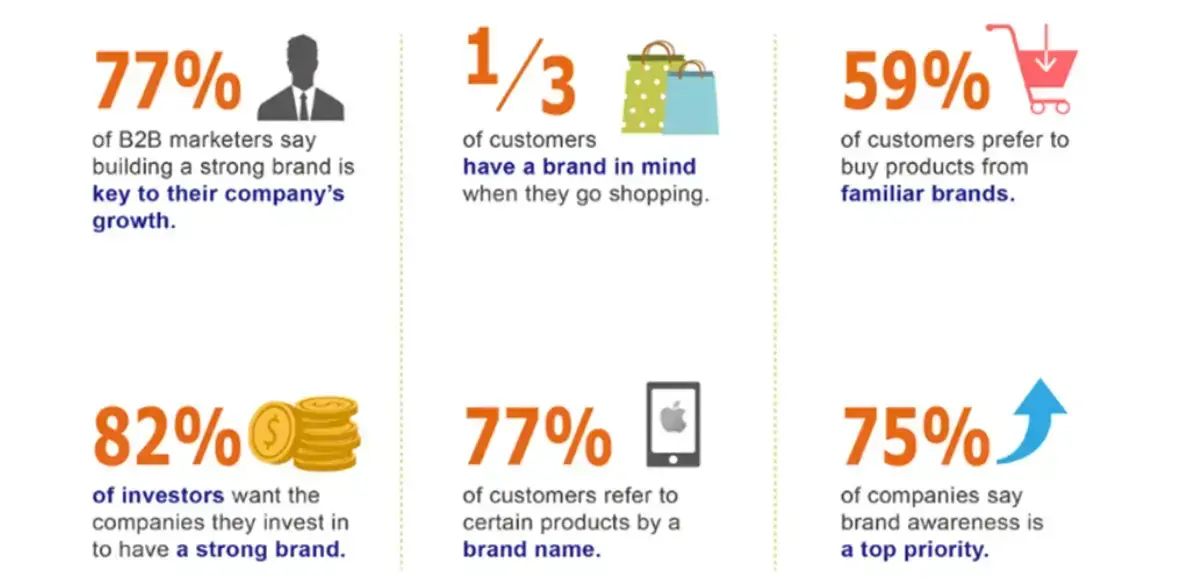
77% of marketers believe that a strong brand is essential for growth. But how do you go about strong brand building? The best way you can do this is through brand design.
Brand design is the process of creating your brand to symbolize your values and personality.
Brand design is more than just colors and logos. It's a comprehensive strategy that encompasses every aspect of your business, from its visual elements to the values that guide its actions.
It focuses on everything about your company, from how it looks and sounds to the values that reinforce its actions.
Branding expresses a business's unique identity and encompasses its unique narrative, values, and mission.
At its core, brand design is about more than just aesthetics. It's about building trust and loyalty with your customers.
A well-designed brand can create a lasting impression and deliver on its promises, fostering reliability and consistency that customers value.
It goes beyond the aesthetics and focuses on:
- Building trust
- Encouraging loyalty
- Developing perceived value
- Stimulating bonds with consumers
8 Key Concepts of Brand Design
An effective brand design combines several concepts.
These concepts ensure that businesses remain unique in their customers' minds. Below are examples of the critical concepts that you should include in your brand design:
1. Visual identity
A brand's visual identity is often its most recognizable element. It includes things like typeface, color palette, and logo.
Your brand's visual identity can speak volumes about your business. It is your silent ambassador.
2. Brand mission, vision, and values
Source: Fits Small Business
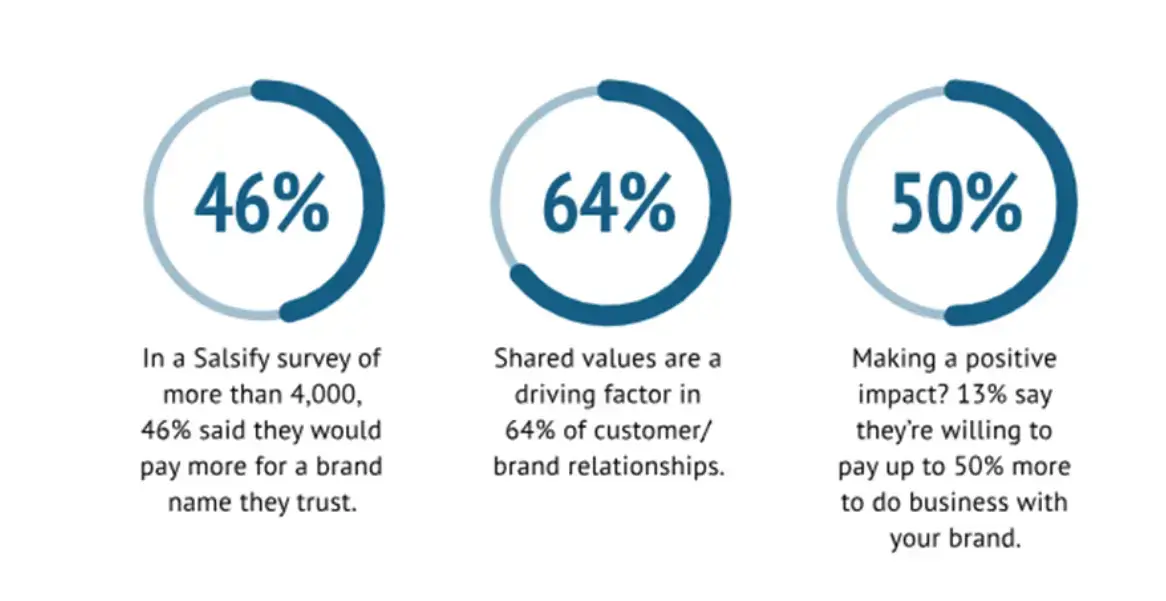
A brand design should focus on the brand's values, mission, and vision. When you emphasize these, your brand identity remains strong even when products or logos evolve.
Thus, you must communicate your brand's values, mission, and vision to attract customers who align with them.
3. Brand name
Your brand name should be pronounceable, memorable, and unique—something customers can identify with.
Hiring a naming specialist or branding designer can help you craft a perfect name.
4. Brand story
A compelling brand story is vital. Customers—especially social shoppers—seek authenticity.
Sharing your story humanizes your brand, increases affinity, and builds trust.

Source: iStock
5. Logos
Your logos should reflect your brand's personality and values because they serve as visual representations of your identity.
Aim for logos that are:
- Scalable
- Recognizable
- Simple
6. Colors
Your brand colors convey your messaging and values. Consider cultural meaning and psychological influence when selecting a palette.

Source: iStock
7. Tone and voice
A brand’s voice communicates its personality. Maintain consistency across social media, your website, learning management systems, and email channels.
Ask yourself: Is your tone educational? Confident? Serious? Playful? Consistency fosters recognition.
8. Brand elements integration
Integrating your colors, logos, tone, story, and values creates a cohesive brand experience. It also helps differentiate you from competitors.
Why is brand design so important?
Brand design goes beyond aesthetics. It showcases your business's unique value.
Instills trust in your business
Source: Ileeline
59% of customers prefer to buy from brands they are familiar with. Strong brand design builds that trust.
Customers expect branded content across channels. Companies that ignore branding risk looking:
- Less established
- Less credible
- Less professional
Builds strong customer recognition
Strong brand design improves recognition, which influences purchasing. You can deliver better customer service with tools like a virtual assistant.
A recognizable personal brand encourages customers to choose you over lesser-known competitors.
Influences purchasing decisions
Source: Ileeline
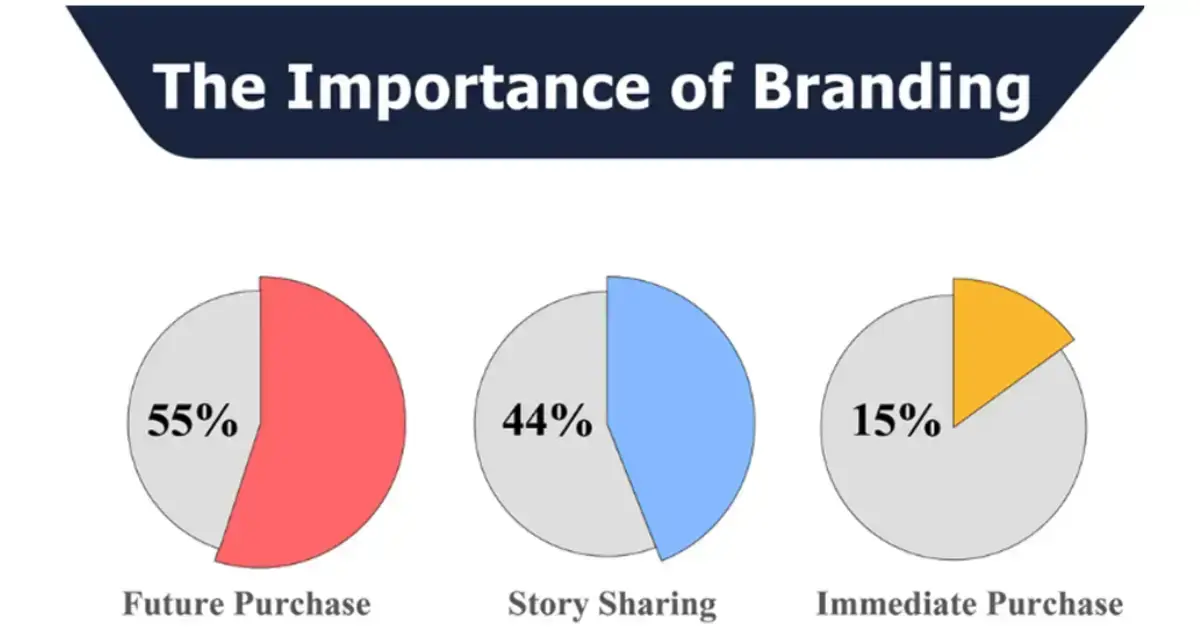
55% of customers who love a brand’s design will purchase again. A study by Razorfish shows that 82% of customers buy from brands with a strong mission.
Grabs attention
Brand design distinguishes your business in crowded markets. Strong logos, typography, and colors help brands stand out and make lasting impacts.
Facilitates a competitive advantage
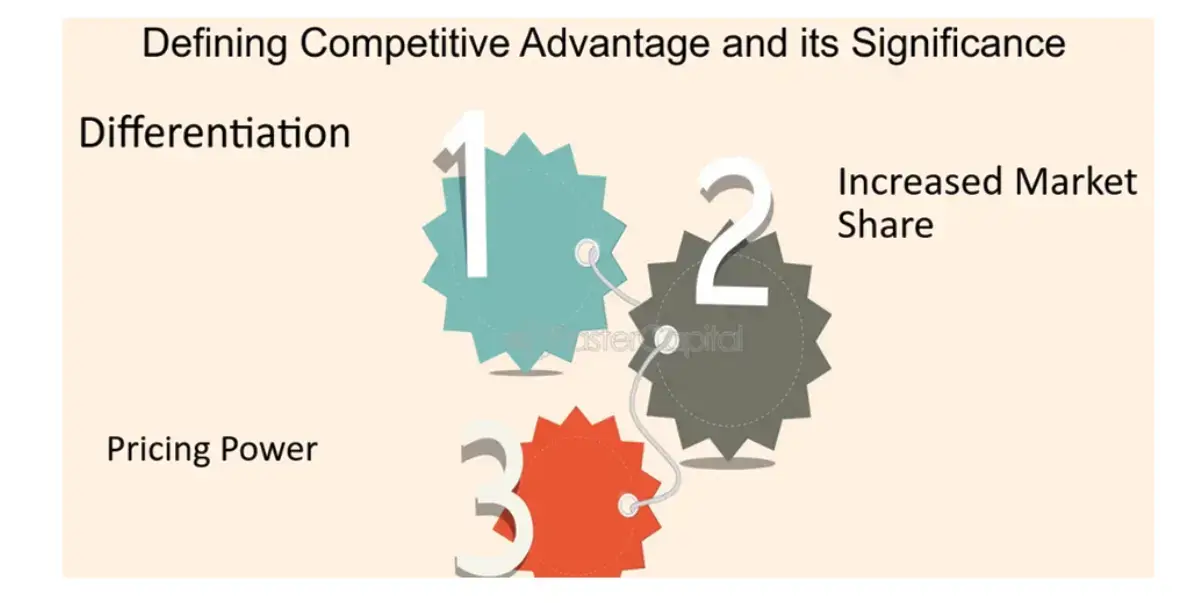
Source: FasterCapital
Strong branding improves:
- Market share
- Pricing power
- Entry into new markets
- Credibility
- Competitive advantage
A competitive advantage increases your revenue and helps increase your business sales.
Creates a business identity
Branding gives your company an identity—something customers can connect with beyond your products. This identity helps optimize your marketing efforts.
Builds emotional connections
Brand identity design helps brands connect to like-minded individuals through shared values. This emotional connection fosters loyalty and enhances customer experience.
Boosts marketing and advertising
A cohesive design strengthens your marketing and advertising impact, leading to greater performance.
Facilitates customer retention
A recognizable brand design helps retain customers—your identity becomes the reason they return.
Final Thoughts
A great brand design is about more than looking good. It’s about creating a lasting impression and consistently valuing your customers. A strong brand design sets the foundation for successful marketing and long-term growth.

Author Bio
Hey, it's Mick and I'm the Growth Marketing Manager at POWR. My marketing career spans two decades across healthcare, broadcast, advertising, and copy editing. I've also owned and sold three small businesses.
I studied at the College of Journalism at the University of Louisiana–Monroe and consider myself a storyteller at heart. My wife Elizabeth, son Gavin, and pup Jolene currently live in Lafayette, Louisiana.
Follow me on LinkedIn.